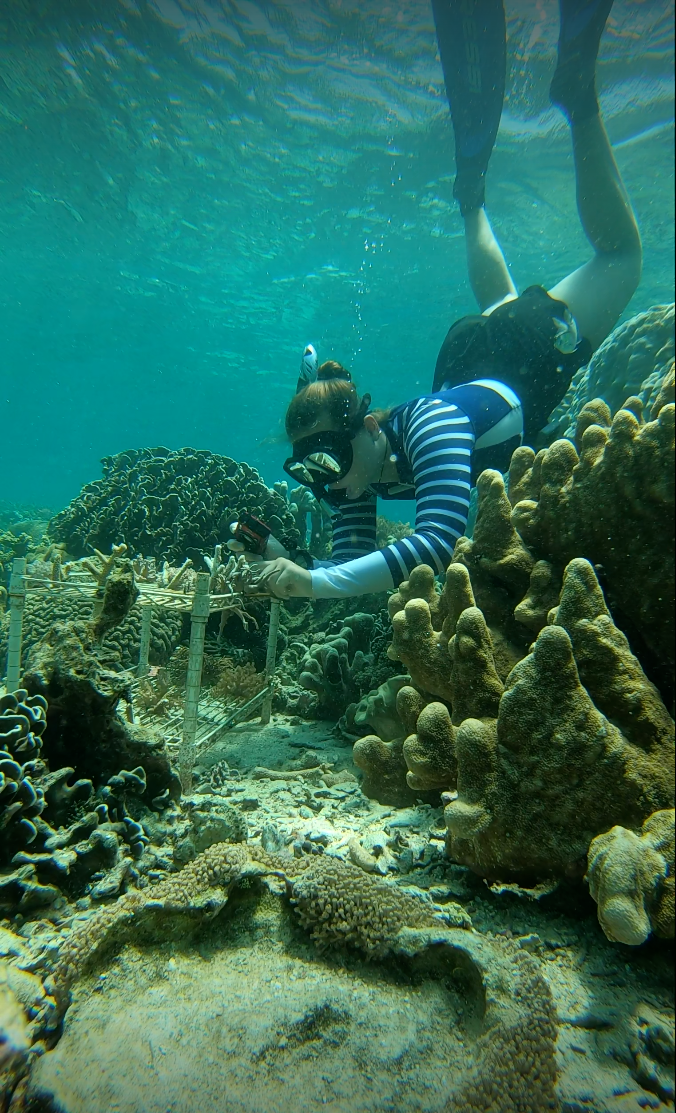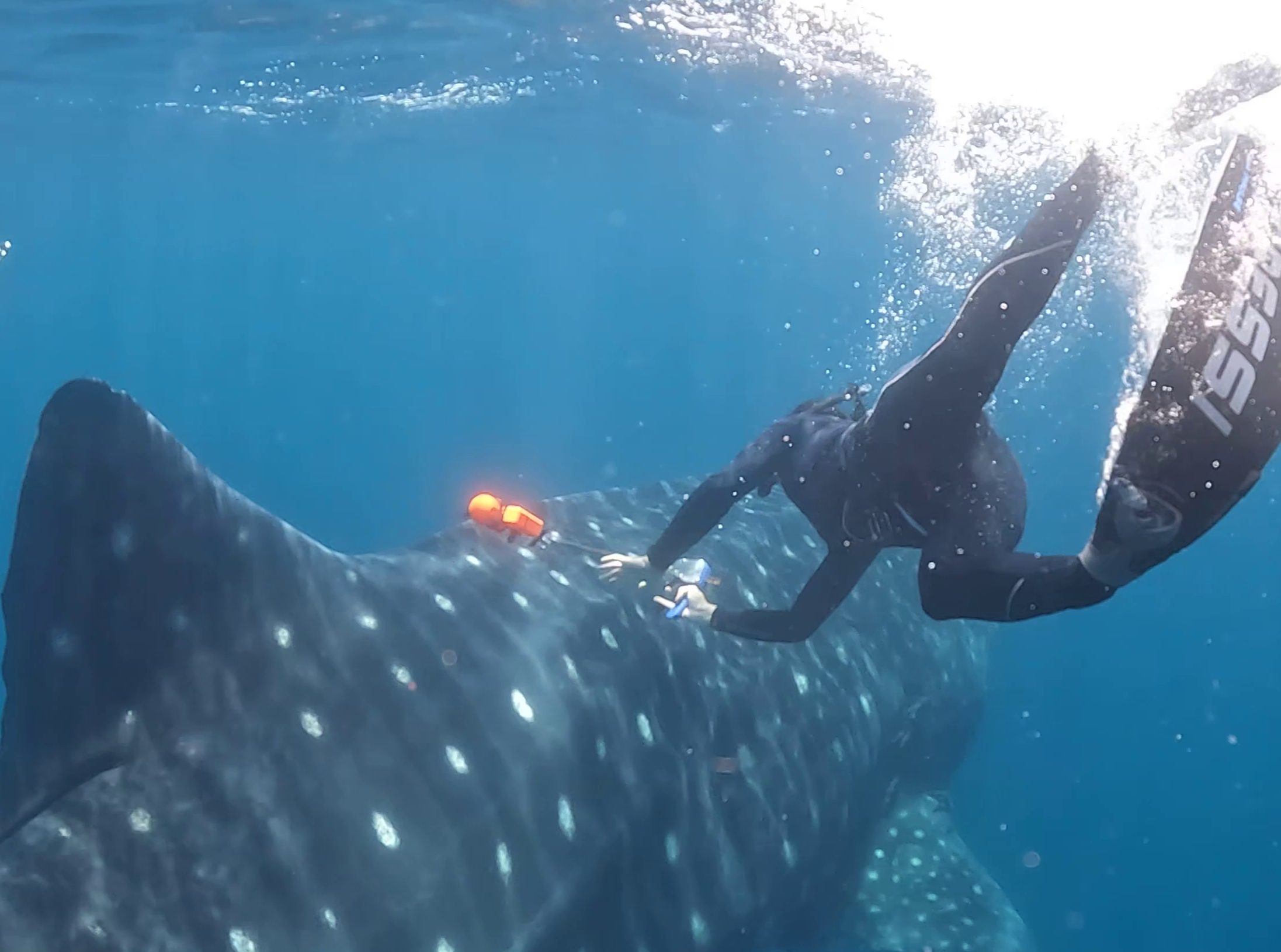
The MBA’s Sims Group team of researchers have travelled to La Paz, Baja California Sur, Mexico for a whale shark tagging expedition. The aim of the ERC-funded research expedition to the oxygen minimum zone (OMZ) in the Gulf of California (GoC) is to attach custom-made oxygen, temperature, deep-depth, and body movement-sensing tags to adult female whale sharks of 10-14 m total body length, alongside conventional satellite tracking tags.
These devices will tell the MBA’s researchers where the adult females go, how deep they dive – which is thought to be very deep even in the low oxygen conditions of the GoC – and how this extreme environment affected by ongoing climate warming and deoxygenation is shifting the behaviour of whale sharks.
Watch – the MBA research team triple-tagging whale sharks in Baja in 2025. c. Marine Biological Association
Key questions the team aims to answer are:
- How does high surface temperature and low oxygen at depth alter the time that females spend at the surface where they are more prone to collisions with ships?
- Do the extreme conditions increase their time there?
- How will ongoing climate change further increase their exposure risk to lethal ship strikes?*
The team has been preparing for the 2026 expedition for around a year, ever since they returned from the last one in 2025. The complex planning and preparation included:
– Working with Alberto Garcia Baciero of Whale Shark Mexico and CICIMAR, La Paz, to plan the tagging expedition in detail, which requires both a small boat and a small plane to search for the hard-to-find adult whale sharks, and making sure all permits are in place.
– Working with collaborators at the CIBIO Lab, University of Porto (Dr Nuno Queiroz and Bruno Loureiro) to design, build and test new oxygen-sensing tags in the lab and in the MBA’s seawater aquaria.
– Working in the MBA workshop and 3D printing suite to develop and make the fin clamps that enable tags to be attached for both short and long periods, but which are built with release mechanisms so that clamps jettison from whale sharks after data collection, leaving nothing for the shark to carry after the science is done.
MBA Senior Research Fellow Professor David Sims said: “This research will provide us with fundamental data with which to plan conservation measures for whale sharks, as oceans continue warming.”
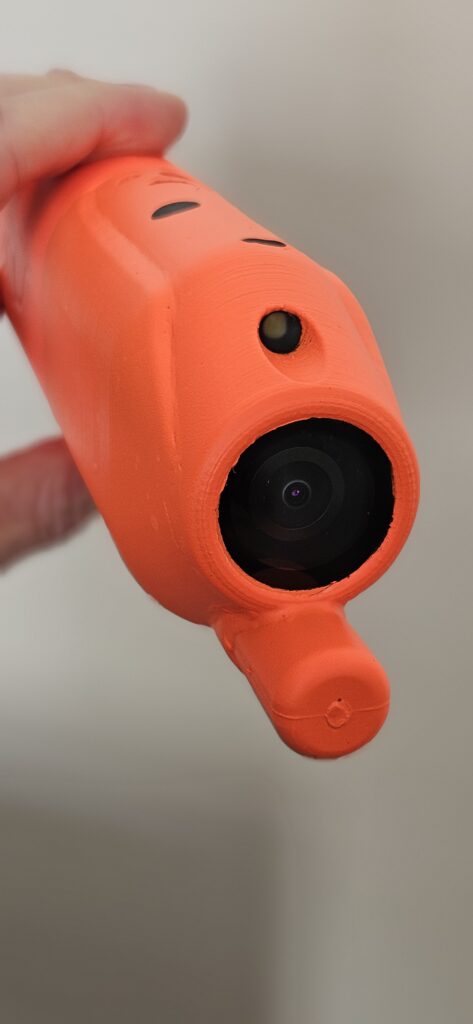
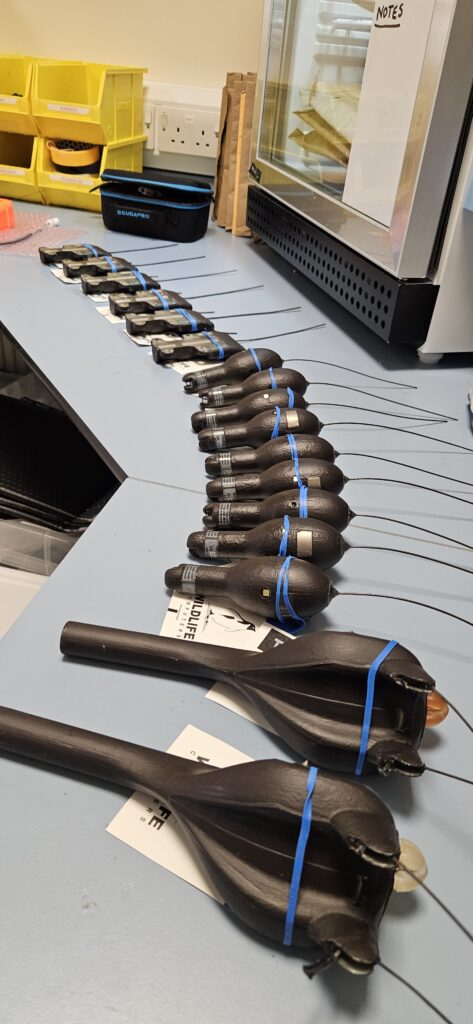
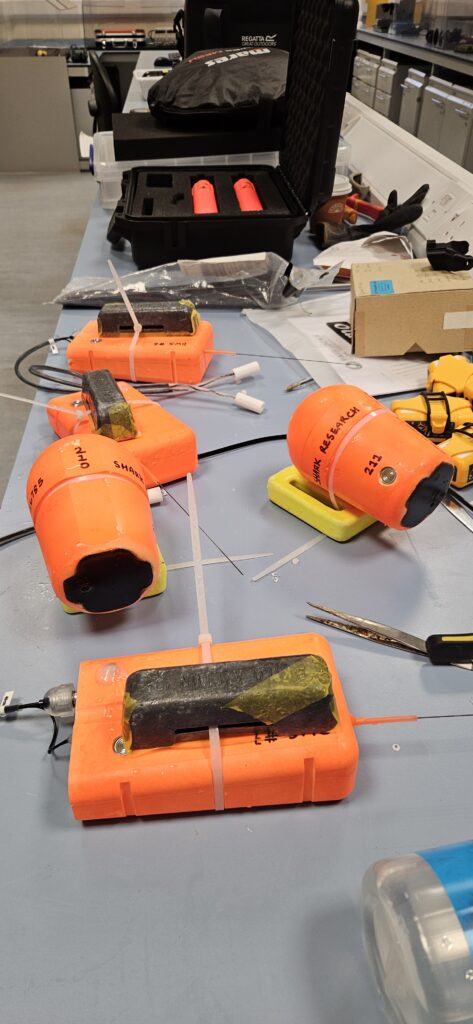
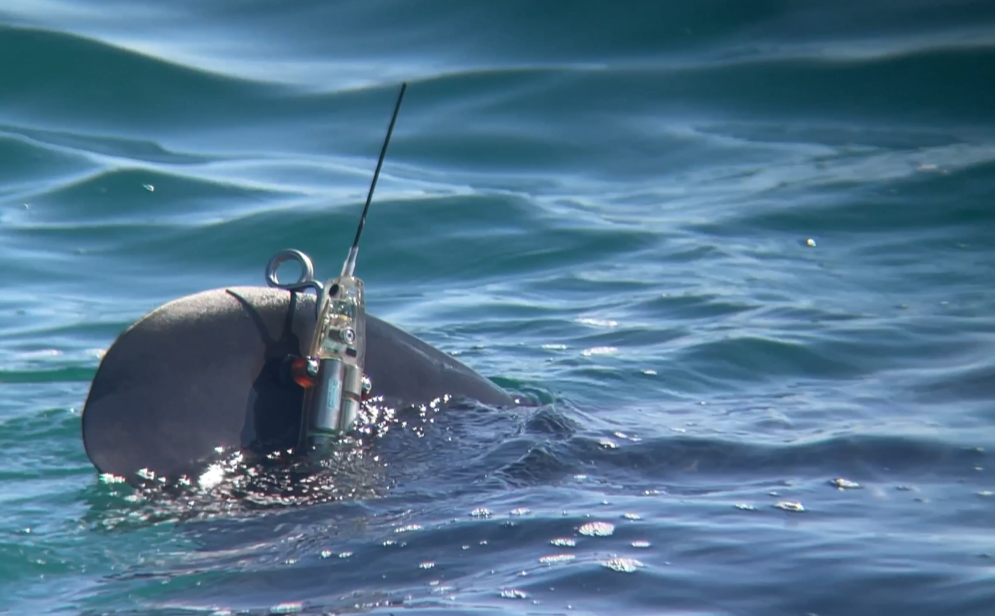

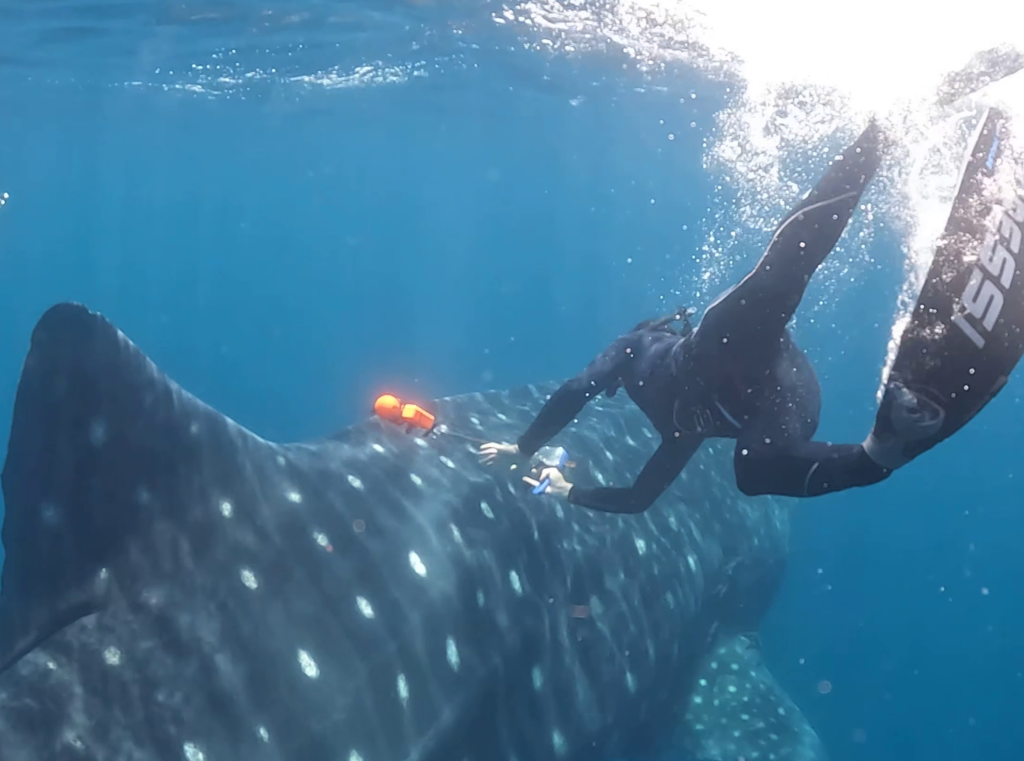
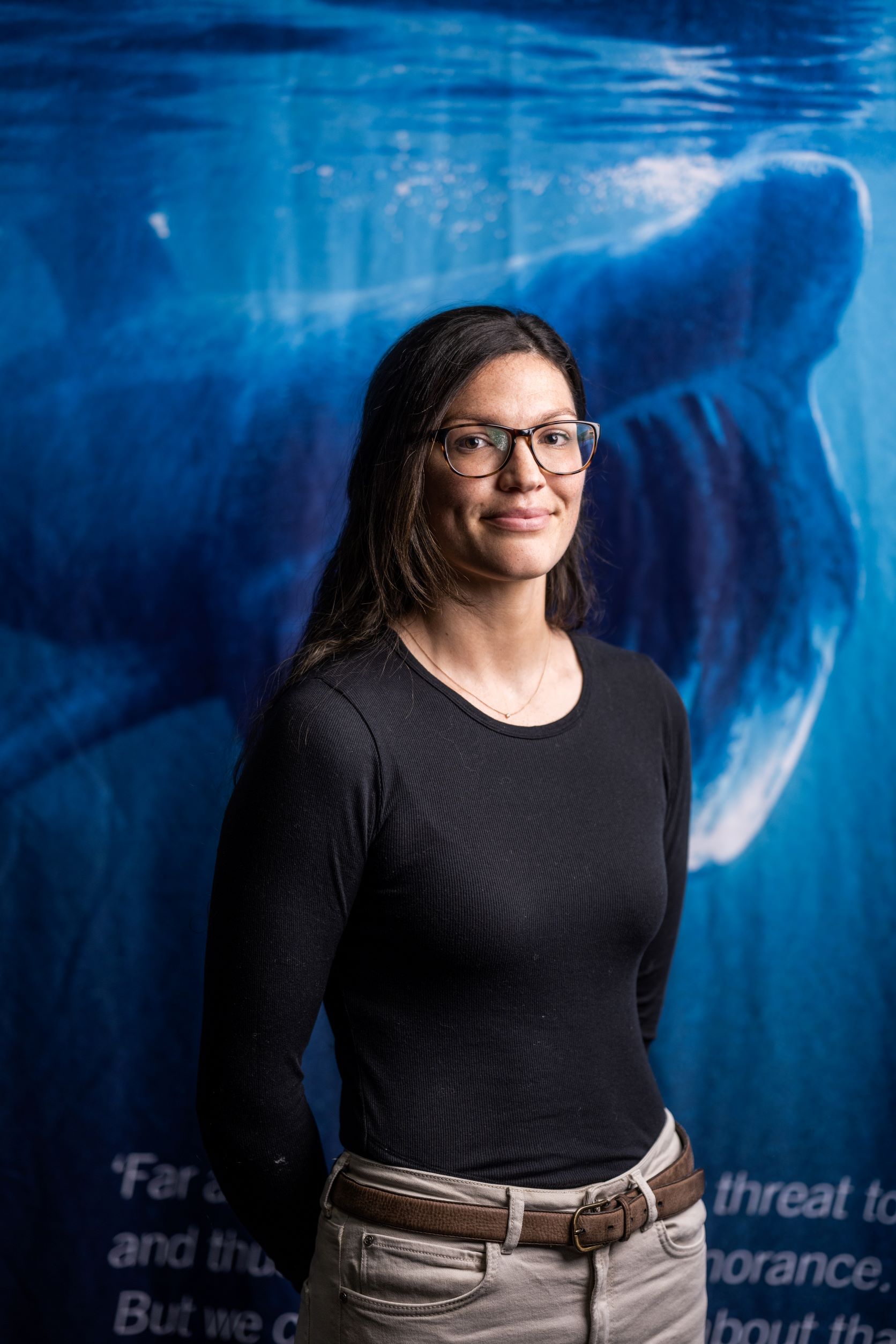
L/R: Camera tag; Satellite tags; Tags back from tank tests; Satellite tag on whale shark; The Sims Group team – Professor David Sims, Ronan Conlon, Dr Emily Southall, Dr Freya Wormersley and Amy Jefferies; Tagging a whale shark in Baja 2025. c. Marine Biological Association
Our science is made possible by the generosity of our supporters. With your support, we can secure a healthier future for our oceans.
mba.ac.uk/donate. Thank you.
*Previous research led by Dr Freya Womersley has shown that many whale shark deaths from ship strikes may go undetected, with tagging data suggesting animals are often killed and sink after collisions.