The Marine Biological Association (MBA) is delighted to announce the appointment of five MBA Fellows (FMBAs): Robert Clark, Denise Adaoyibo Okpala, Dr Tom Pickerell, Nick Riddiford, and Professor Craig Young.
FMBAs are senior practitioners who have contributed to marine biology at the highest level. The honour recognises distinguished and sustained contributions across research, policy, education, outreach, and public or professional service. This year’s Fellows bring exceptional breadth of expertise spanning fisheries management, ecosystem governance, community-led conservation, sustainable seafood, and deep-sea biology.
Denise Adaoyibo Okpala

Denise is a Chartered Scientist and Chartered Marine Scientist with more than 14 years’ experience working with the Economic Community of West African States on environmental and natural resource programmes. Her earlier work with Nigeria’s Federal Ministry of Environment and the National Institute for Oceanography and Marine Research established her deep expertise in marine and coastal systems.
Denise serves in several international roles, including as an Expert Reviewer for the IPCC, a Trustee of the Institution of Environmental Sciences, and a Commission Member within the IUCN. She is passionate about environmental equity and contributes to the British Ecological Society’s Equity, Diversity and Inclusion Advisory Group. Currently undertaking doctoral research at UCL, she focuses on waste reduction and circularity in pharmaceutical supply chains.
Through her MBA Fellowship, Denise hopes to advance collaboration on marine litter, biodiversity conservation, and climate-resilient coastal governance while sharing interdisciplinary insights that support community health and environmental stewardship.
Professor Craig Young
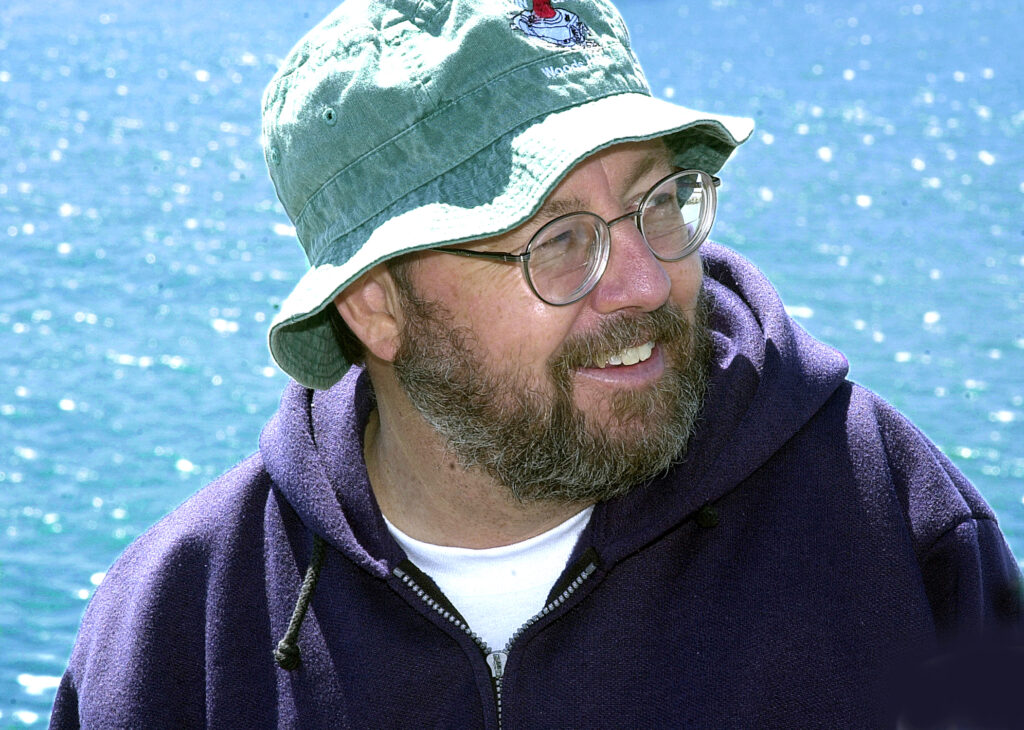
Professor Craig Young is a marine invertebrate zoologist and embryologist with a research career spanning nearly 50 years. As Director of the University of Oregon’s marine laboratory for more than two decades, he has led pioneering deep-sea research across habitats such as hydrothermal vents, methane seeps, island slopes and undersea volcanoes. His work frequently involves submersibles and ROVs and has produced significant discoveries in larval biology and deep-sea reproductive strategies.
Craig has longstanding ties with the MBA, including extensive use of the Plymouth library, co-editing Advances in Marine Biology, and delivering the MBA’s Leslie Cooper Memorial Lecture. His Fellowship strengthens an already enduring relationship with the Association and its scientific community.
Nick Riddiford
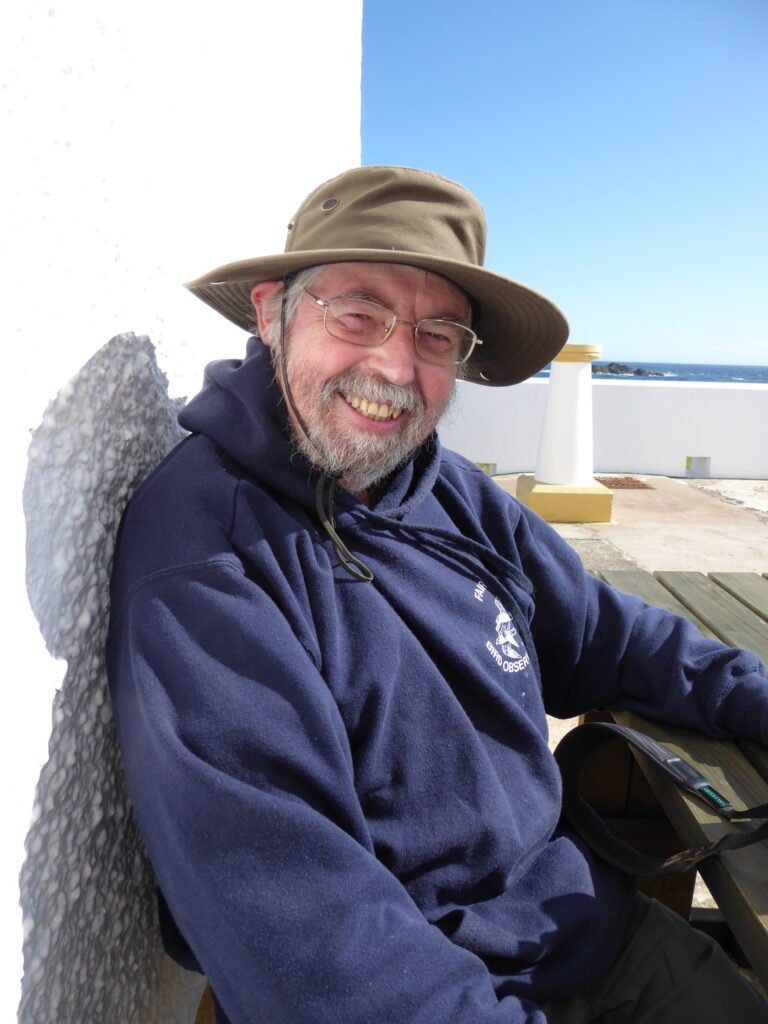
Nick Riddiford is a marine and terrestrial conservation ecologist whose career spans seabird monitoring, Mediterranean wetland conservation, and community-led marine protection. He co-developed the UK Seabird Monitoring Scheme in 1986 and contributed to major MedWet initiatives across North Africa and the Middle East. For nearly three decades he led biodiversity work on Fair Isle, culminating in the designation of the island’s Demonstration and Research Marine Protected Area—an achievement rooted firmly in community science.
Now retired, Nick is focused on maintaining and publishing Fair Isle’s biodiversity archive. His Fellowship highlights the importance of volunteer-led research and the invaluable contributions of community groups to long-term ecological understanding.
Dr Tom Pickerell
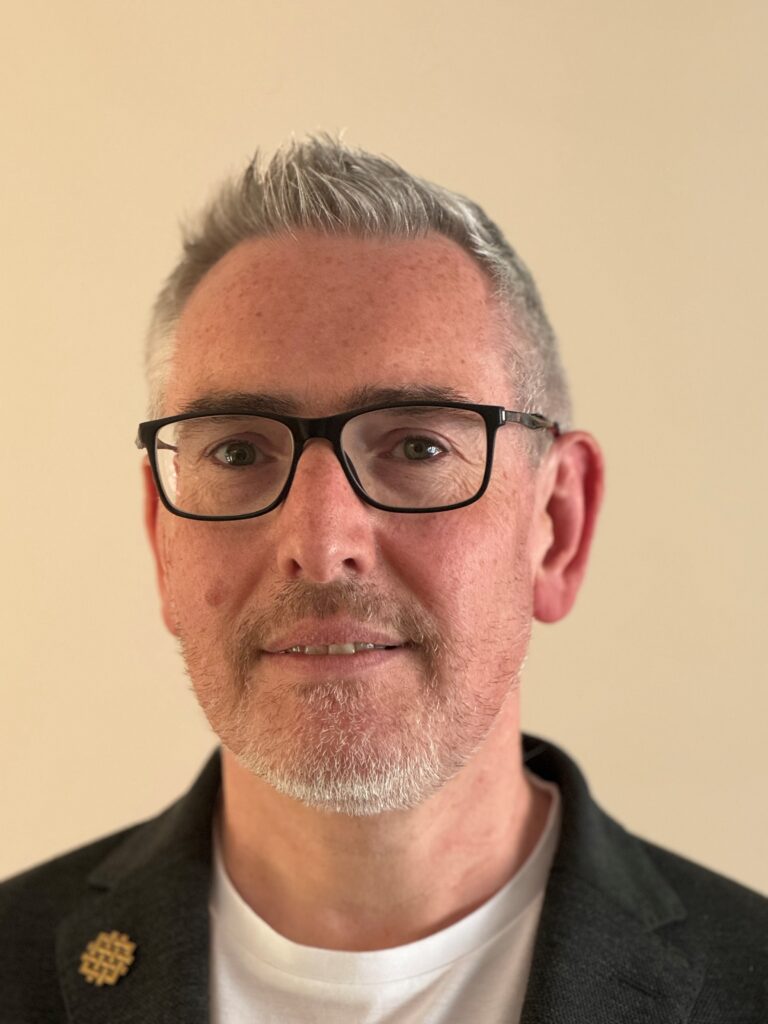
Dr Tom Pickerell FMBA is a marine biologist with more than 25 years of global experience at the intersection of ocean science, sustainable seafood, and international policy. He currently serves as Global Director of the Ocean Program at the World Resources Institute (WRI) and Head of the Secretariat for the High Level Panel for a Sustainable Ocean Economy, where he drives efforts to translate science into actionable policy and investment strategies.
Tom has held roles at WWF‑UK, Pew, and the Monterey Bay Aquarium’s Seafood Watch programme, championing science-based fisheries practice and industry collaboration. With a PhD in shellfish genetics, he brings deep scientific expertise alongside global leadership experience.
As an MBA Fellow, Tom aims to support the MBA’s mission by strengthening ocean literacy, encouraging coalition-building, and ensuring that high-quality marine science continues to inform international ocean stewardship.
Rob Clark
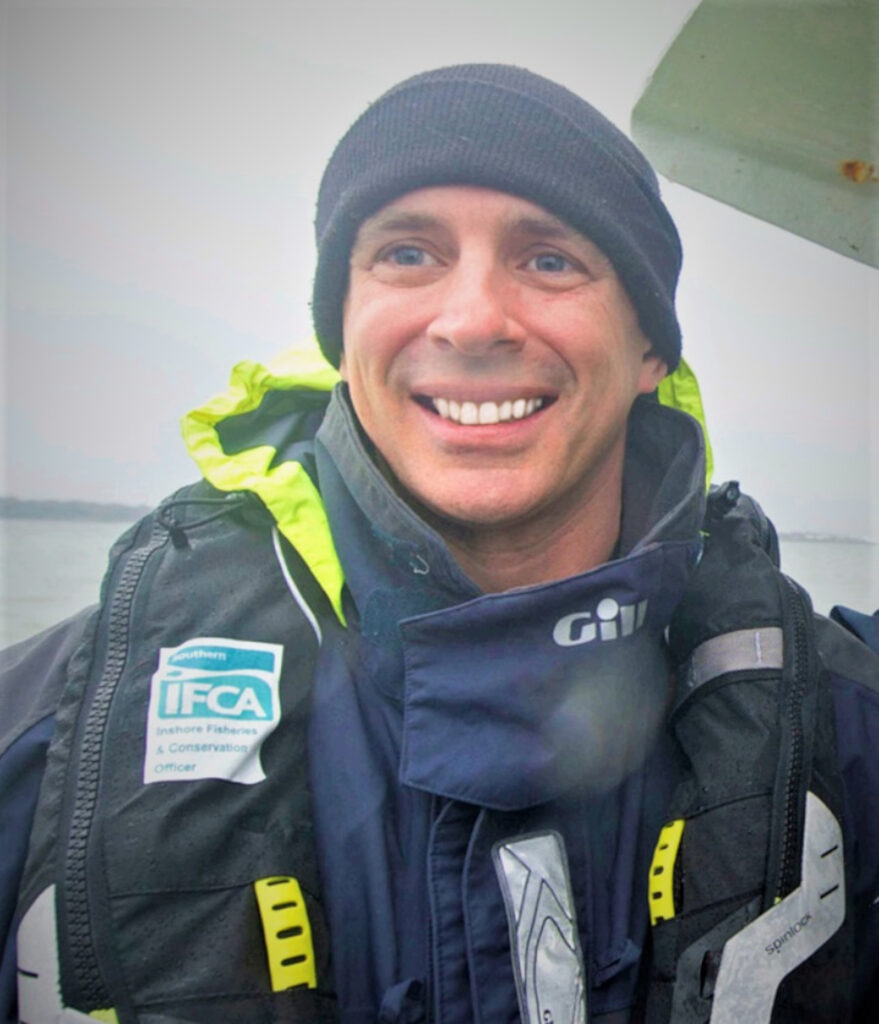
Rob is Chief Officer of the Association of Inshore Fisheries and Conservation Authorities (AIFCA), with over 20 years’ experience in the management of England’s inshore waters. He previously served as Chief Executive Officer of the Southern IFCA and has held leadership roles across the national IFCA network. His background spans fisheries science, policy, compliance, and enforcement at sea, underpinned by a strong commitment to evidence-based management and collaboration between science, industry, and regulators.
Rob has published on fisheries policy, management, and marine protected areas, contributing to the development of strategies that link research and practical management. He led the establishment of England’s largest aquaculture area and managed the award-winning Poole Harbour Clam and Cockle Fishery, recognised for innovation, sustainability, and effective partnership working. Alongside his professional roles, Rob has also served with the RNLI, reflecting his wider commitment to coastal communities and maritime safety.
As a Fellow of the Marine Biological Association, Rob hopes to contribute his experience in applied fisheries management and policy to strengthen the relationship between marine science and decision-making. He aims to help bridge the gap between research and practice, ensuring that scientific evidence continues to inform sustainable and adaptive management of marine ecosystems.
Through the Fellowship, Rob looks forward to engaging with the diverse community of marine scientists, managers, and practitioners within the MBA. He hopes to learn from emerging research, foster interdisciplinary collaboration, and promote the integration of ecological and socio-economic perspectives in marine resource management.
Rob views the Fellowship as both an honour and an opportunity to share practical insights while continuing to learn from others who share a passion for understanding and protecting the marine environment.
Looking ahead
The MBA warmly congratulates our new Fellows on their appointments. Their collective achievements reflect the depth and diversity of modern marine biology, from deep-sea discoveries and global ocean policy to community engagement, environmental governance, and sustainable fisheries.
We look forward to seeing how their expertise and leadership furthers the MBA’s mission to advance marine science for the benefit of society and the ocean.
