For more than a century, women at the Marine Biological Association (MBA) have shaped the global understanding of life in the ocean. From the early 1900s – when women in science faced significant social and institutional barriers – to the present day, these researchers have driven discovery, advanced methods, and built the foundations of modern marine biology. This International Day of Women and Girls in Science, we celebrate the achievements of our female scientists past and present.
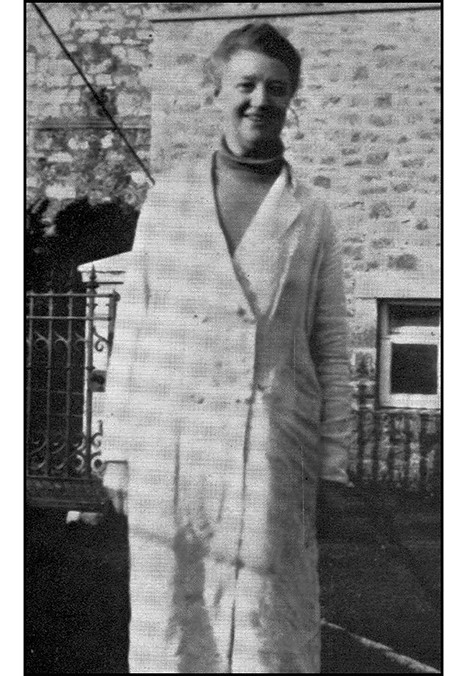
Marie Lebour
Trailblazers at the turn of the 20th Century
At a time when few women were permitted formal scientific posts, Marie Lebour joined the MBA, dedicating her career to documenting the hidden worlds of plankton. Working through two world wars, in often isolated and resource‑limited conditions, Lebour painstakingly mapped the life histories of planktonic organisms, describing new species and reshaping our understanding of larval development at sea. Her monographs and identification guides continue to form the backbone of plankton research worldwide.
Breaking barriers in fisheries science
In 1905, Rosa Mabel Lee made history as the UK’s first woman fisheries scientist. At a time when women were routinely excluded from research institutions, Lee’s appointment represented a landmark moment. Her pioneering work on fish growth and population dynamics – including the discovery of what became known as the “Lee phenomenon” – revolutionised fisheries stock assessment and remains influential in modern marine management.
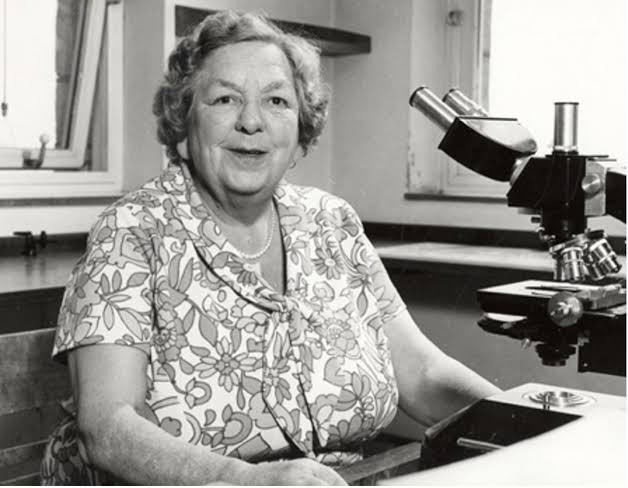
Dr Mary Parke
Mid‑20th Century innovators
The mid‑century brought further advances. Dr Mary Parke, a leading authority on marine algae, developed essential methods for culturing microalgae. These techniques, originally created to support larval shellfish studies, became central to marine research, aquaculture, and biotechnology. Parke’s collections and culture methodologies remain central tools used by scientists around the world today.
Molly Spooner reshaped our understanding of marine food webs. Working at a time when ecological science was still emerging, Spooner’s meticulous experiments on the interactions between plankton, grazers, and nutrient cycles laid critical groundwork for what would later become modern ecosystem and biogeochemical research.
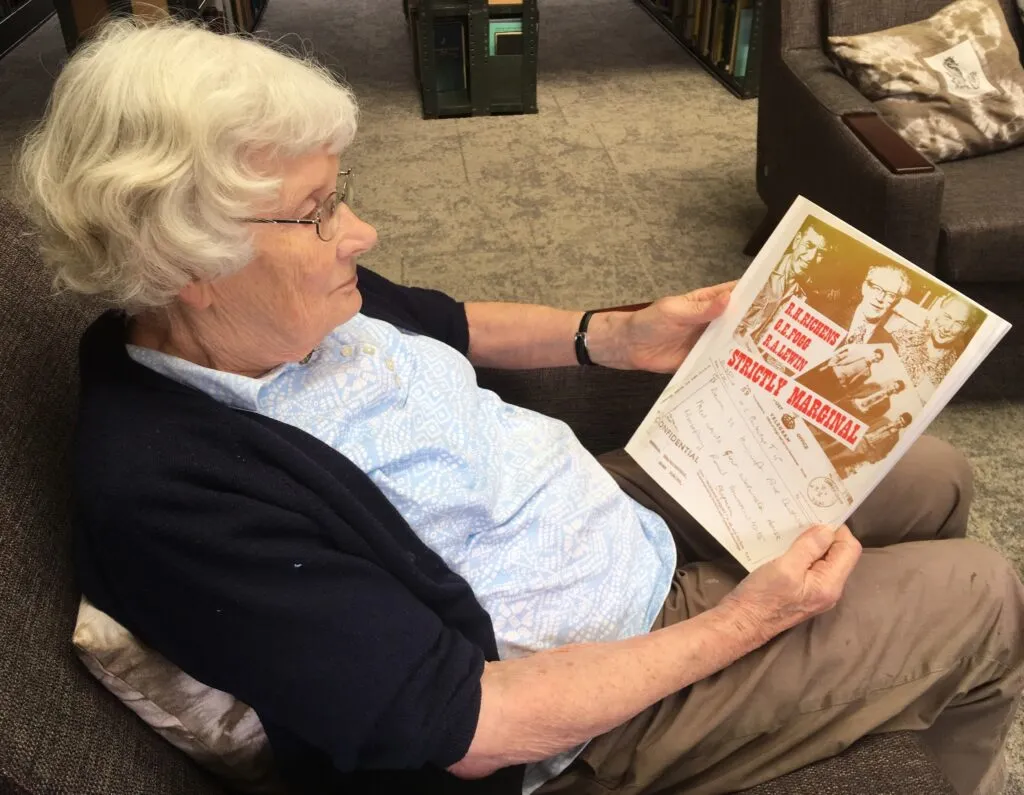
Dr Eve Southward
Dr Eve Southward – A pioneer of deep‑sea and intertidal science
Dr Eve Southward contributed over six decades of groundbreaking research. Her work after the 1967 Torrey Canyon oil spill revealed the serious harm caused by chemical dispersants, helping change global oil‑spill response practices.
Although unpaid, she worked closely with her husband Professor Alan Southward, and together they carried out the early intertidal surveys that became the foundation of MarClim. Eve continued publishing into her nineties and remained a much‑loved presence at the MBA – curious, insightful, and ever dedicated to marine science.
Today’s researchers carrying the legacy forward
Today, women scientists at the Marine Biological Association continue to drive innovation across disciplines, building on this extraordinary heritage.
- Dr Alice Horton bridges marine microbiology and environmental pollution, producing influential research on microplastics, chemical contaminants, and their interactions with marine organisms and ecosystems.
- Dr Katherine Helliwell, a rising leader in microalgal physiology and molecular biology, uncovers the essential processes that underpin algal growth, nutrient uptake, and cellular communication – research that informs climate science, carbon cycling, and biotechnology.
- Dr Nova Mieszkowska leads internationally recognised long‑term climate and biodiversity monitoring programmes, generating some of the UK’s most comprehensive datasets on coastal change and species distribution shifts.
- Dr Clare Ostle drives global-scale plankton research through the Continuous Plankton Recorder Survey, connecting decades of biological sampling to pressing questions on climate change, ocean health, and biodiversity loss.
Dr Alice Horton on the women who inspired her.
“I’m really lucky to live in an age where there are fewer barriers to science for women and I’ve been really lucky to be supported by some much more experienced female leaders along the way. I hope that the women and girls I lead will see me as an inspirational mentor.” UKRI Future Leaders Fellow and Senior Research Fellow Dr Alice Horton.
Dr Alice Horton’s research focusses on how microplastics will interact with wider environmental stressors (multistressors; including chemical contamination and climate change) to affect marine ecosystems, now and into the future.
A continuing commitment to excellence
From early pioneers who overcame prejudice to work at the MBA’s laboratory benches overlooking the Plymouth shoreline, to today’s researchers tackling global environmental challenges, the women of the Marine Biological Association have shaped marine science for over 140 years. Their discoveries continue to influence how we understand, protect, and sustainably manage our ocean.