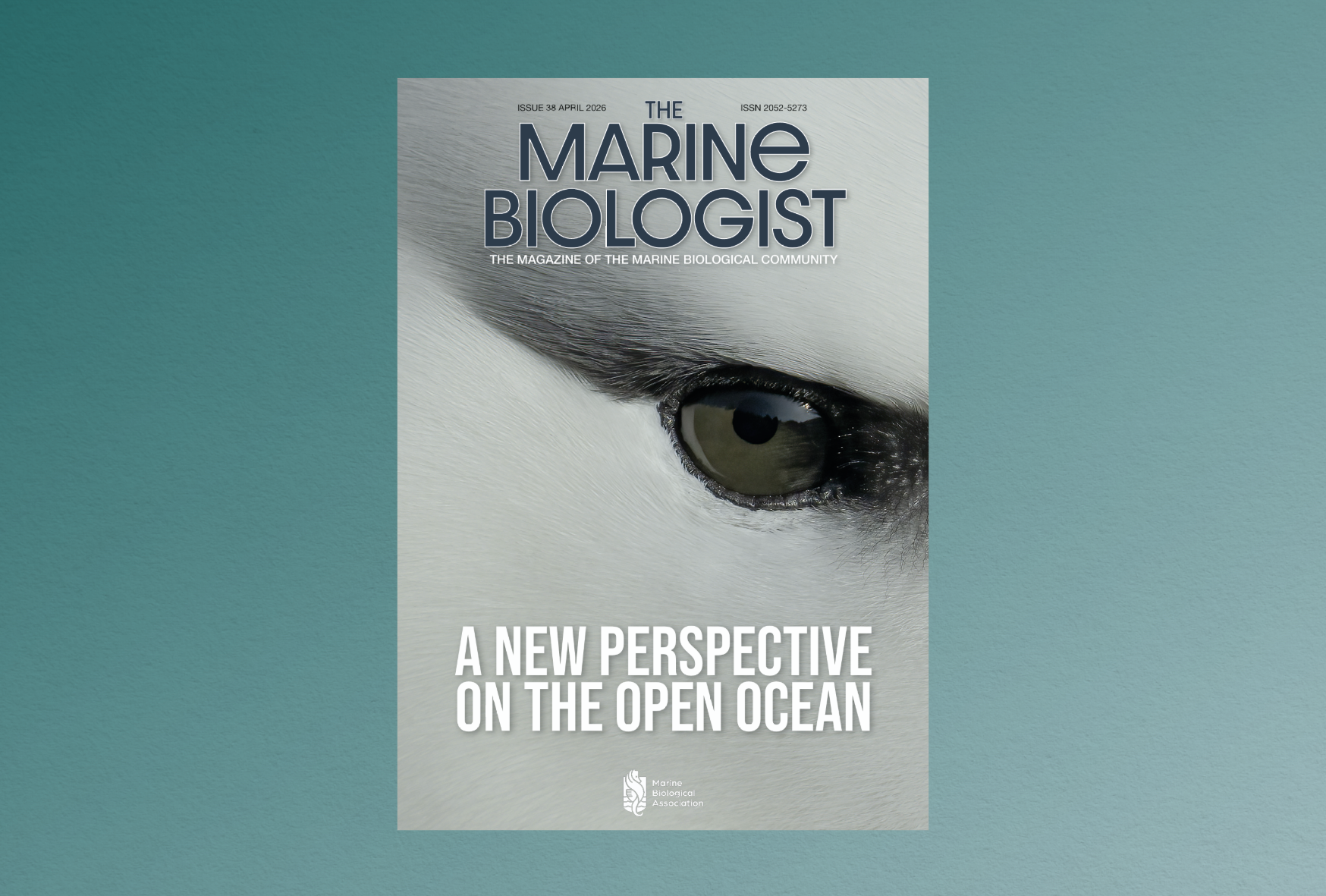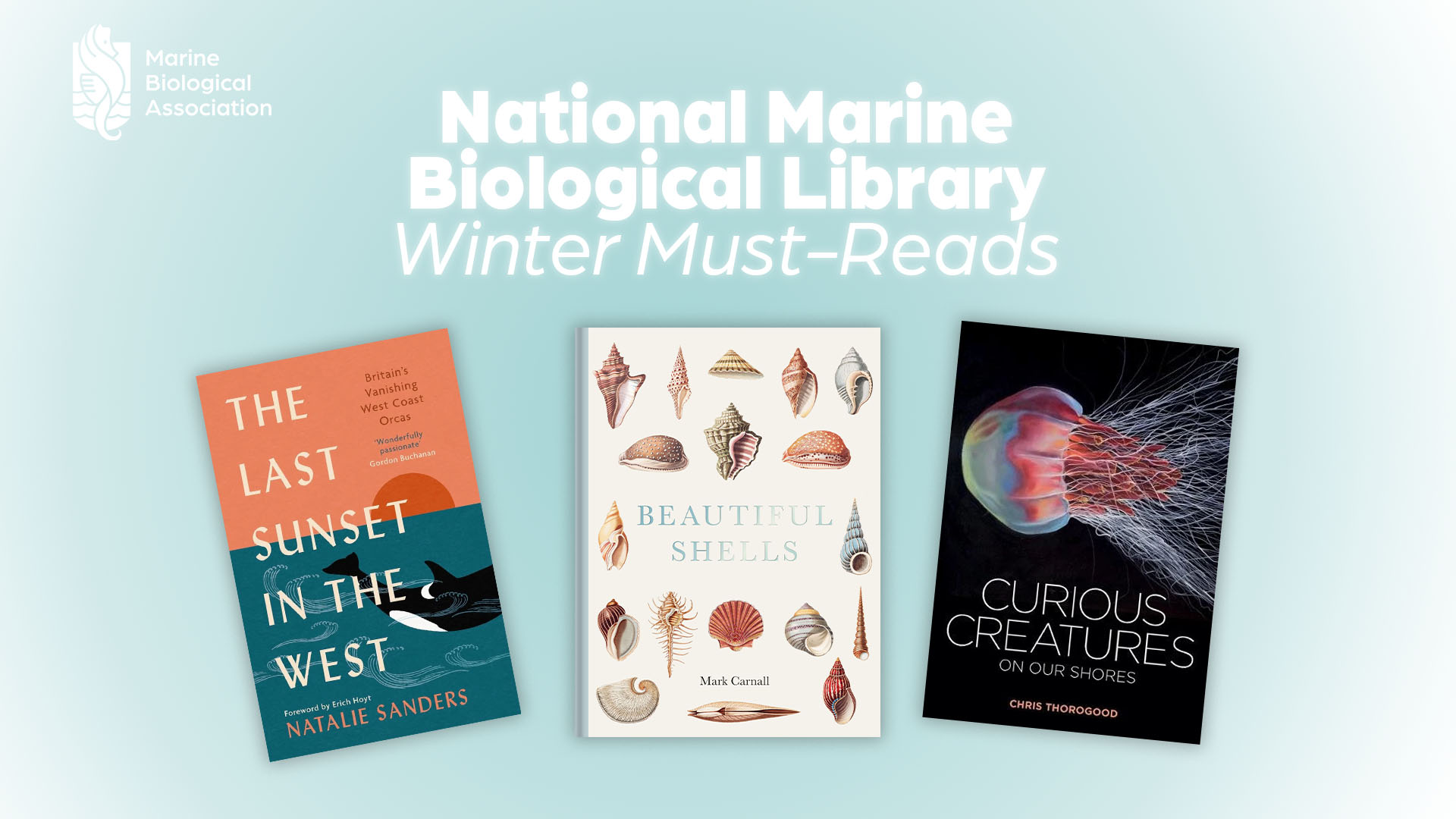
Looking for the perfect book to curl up with this winter? If you love the ocean, marine life and the stories behind our ocean, these three titles – reviewed in The Marine Biologist magazine – are essential additions to your reading list. Plus, MBA Members enjoy exclusive discounts when purchasing through the publishers!
Beautiful Shells – Mark Carnall
Published by Bodleian Library Publishing
Review by Phoebe Barratt
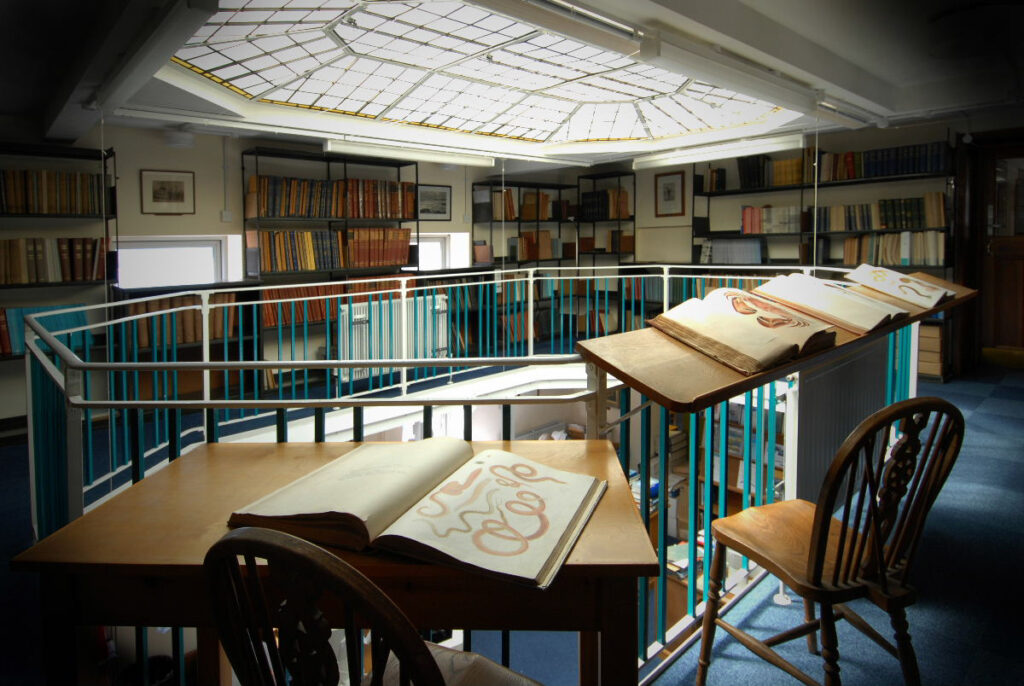
Beautiful Shells is a reproduction of George Perry’s Conchology, or, the Natural History of Shells (1811). It is a well-written, insightful book, which is both educational and entertaining. The volume highlights Perry’s intricate and vibrant engravings, which not only showcase the beauty and diversity of marine life but also reflect the evolving scientific understanding of the time.
The review of Perry’s work celebrates the meticulous craftsmanship of his illustrations, which are as visually appealing as they are valuable as a scientific record. It also provides insight into Perry’s life and the influence of his work on the field of conchology, emphasising the intersection of art, science, and discovery. While the illustrations are the star of the show, Carnall seamlessly incorporates scientific information in a manner which is accessible to readers from all backgrounds. This book is perfect for those interested in natural history, marine biology, and who are generally interested in marine life.
Find out More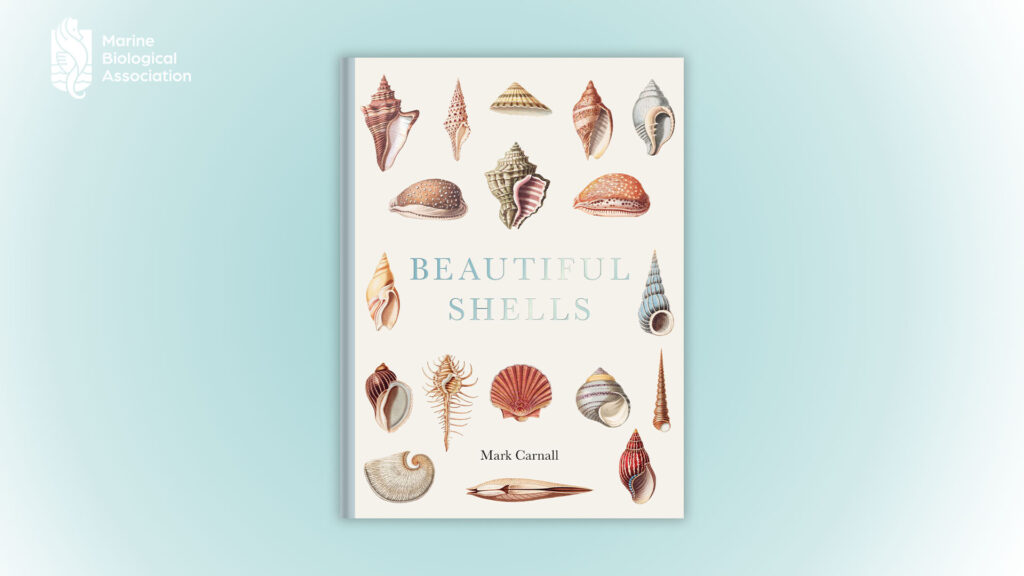
The Last Sunset in the West: Britain’s Vanishing West Coast Orcas – Natalie Sanders
Published by Birlinn
Review by Keanu Rotard
When this book arrived, I was wowed by its design, the quality of the printing, the abundance of superb colour photographs, and the clarity of many of the diagrams. Natalie Saunders presents a detailed and highly accessible discussion of the lives of the West Coast Community of orcas living off the Hebrides in Scotland. She uses every opportunity to discuss the impact of human activity on the marine environment and the effect that this has on the lives of orcas specifically, but also on a range of other marine species.
This is a personal and informative book that is cleverly structured. The first half has standalone chapters for each member of the West Coast Community. These are not just engaging stories; each one discusses a specific topic in a clear and balanced manner, ranging from the impact of polychlorinated biphenyls and noise pollution to the shame of marine parks, and the benefits of whale falls and the range of diets of different orca communities around the world.
The second half describes Saunders’ research voyage and is a vivid adventure story taking in local geography, history, eco-politics, and a range of interesting professions. The detailed descriptions, wide-ranging bibliography, and lists of organisations mean that you absolutely have to have your phone at hand to follow up all the amazing leads this book gives you. I loved it!
Find out More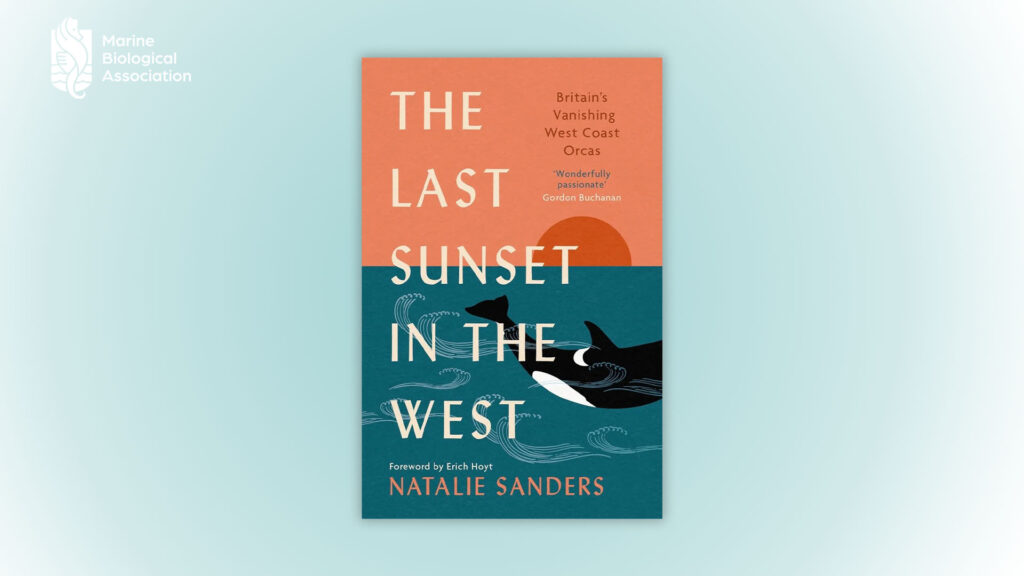
Curious Creatures on Our Shores – Chris Thorogood
Published by Bodleian Library Publishing
Review by Michael White FMBA
This well-presented book is filled with interesting facts and observations about animals that may be encountered on UK shorelines. Chris Thorogood begins with an overview of several animal groups, including sponges, jellyfish, anemones, worms, molluscs, crabs, and echinoderms.
He goes on to describe where animals are likely to be found, both geographically around Britain and in which habitat: strand line, shingle shore, rocky shore, sandy shore, or deep ocean. Curious Creatures on Our Shores has comprehensive notes on feeding, habitat use, and reproduction, and the author explains some of the adaptations that allow animals to live where they do. Technical terms are clearly explained and both scientific and common names are given for every species. There are suggestions for further reading. Seasoned researchers may well recall when they first encountered and identified unusual forms of life, such as a mermaid’s purse (the egg case of certain sharks and rays) or a sea mouse (a type of bristle worm).
Newcomers should be able to identify creatures from the author’s full-colour paintings that illustrate each page, and from reading the detailed descriptions. In both cases, sifting through the strandline will be rewarding. An easy-to-read and enjoyable book that is worth reading right through before going into the field.
Find out More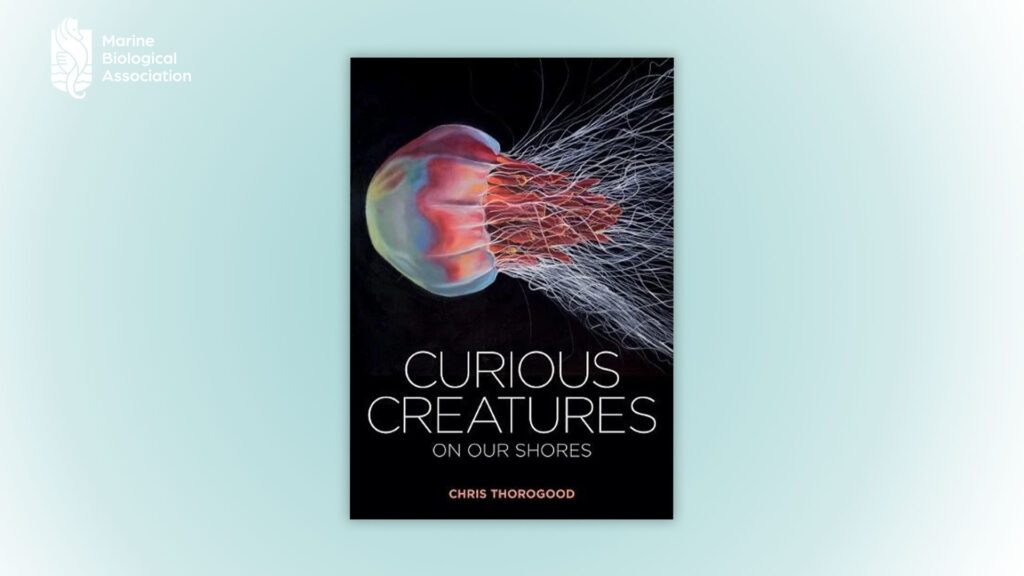
Why Join the MBA?
All publishers of these books offer discounts for MBA Members. Plus, Members receive The Marine Biologist magazine every quarter – packed with book reviews, research insights and stories from the world of marine science. Join our global community of ocean lovers today and enjoy these benefits and more!