Ocean Ecology
and Climate Change
Research Lead – Dr Clare Ostle
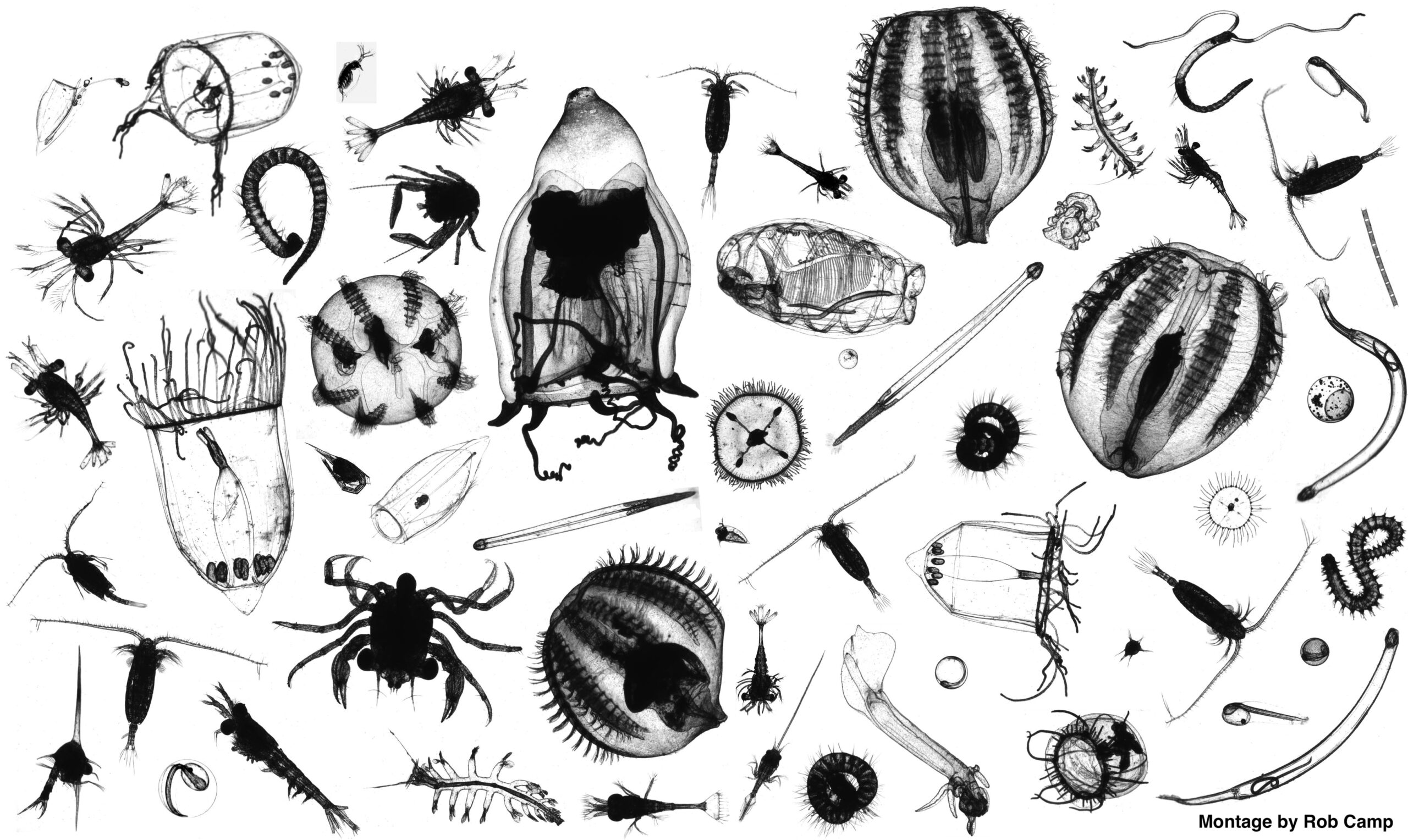
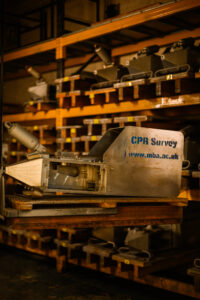
We use the Continuous Plankton Recorder (CPR) and partner surveys to study how plankton communities change across the global ocean and what this means for biogeochemistry, biodiversity and climate. By combining long-term CPR observations with new sensors, molecular tools and advanced data analysis, we develop indicators that link plankton ecology to carbon cycling, marine food webs and climate-driven change. Our work feeds directly into assessments of pelagic habitat status, ocean warming and ecosystem health.
Our Research Impacts
Climate change is transforming marine plankton
Our research shows that changes in North Atlantic plankton communities are reshaping how the ocean absorbs and releases carbon. Our modelling reveals that plankton communities are shifting with warming, altering the base of the marine food web and the function of ocean ecosystems worldwide.
Plankton records inform global ocean policy
We support making plankton data useable and accessible for marine policy and conservation. These datasets support OSPAR and MSFD assessments, and through the Global Alliance of CPR Surveys, inform global indicators of ocean health.
Augmenting the CPR to enhance ocean monitoring
We are augmenting the CPR with environmental and biogeochemical sensors, transforming a historic plankton survey into a smart ocean observatory. Our sensor-enhanced CPR routes capture physical, chemical and biological change, providing near-real-time insights into marine heatwaves, stratification and ecosystem disruption.
A global alliance amplifying plankton science
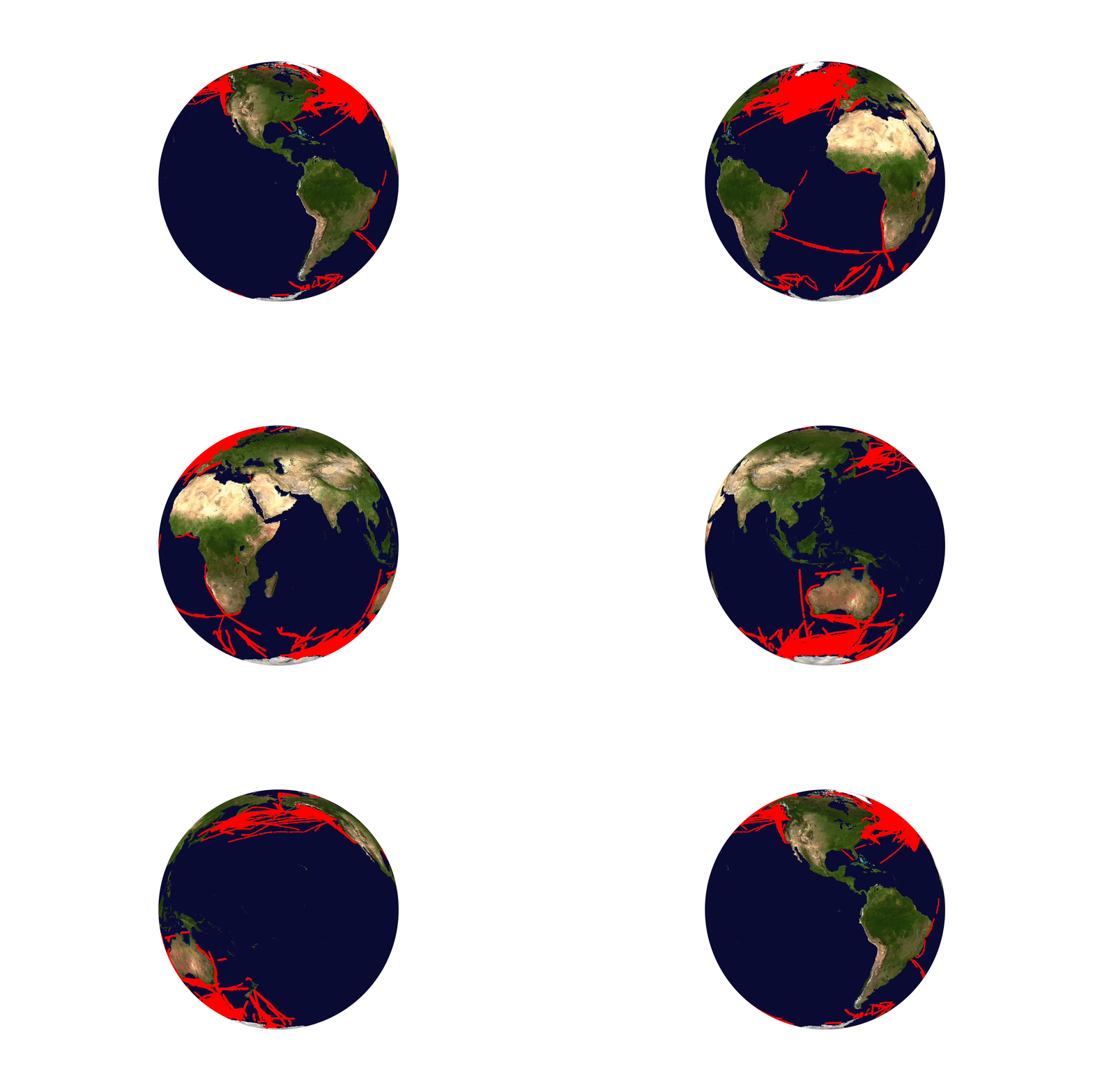
Through GACS, we help to coordinate CPR surveys across multiple ocean basins, building a unique, harmonised record of plankton change at the global scale. This network turns regional monitoring efforts into a shared evidence base for climate assessments, marine biodiversity conventions, global ecosystem and biogeochemical modelling, and future ocean observing design.
Our Team
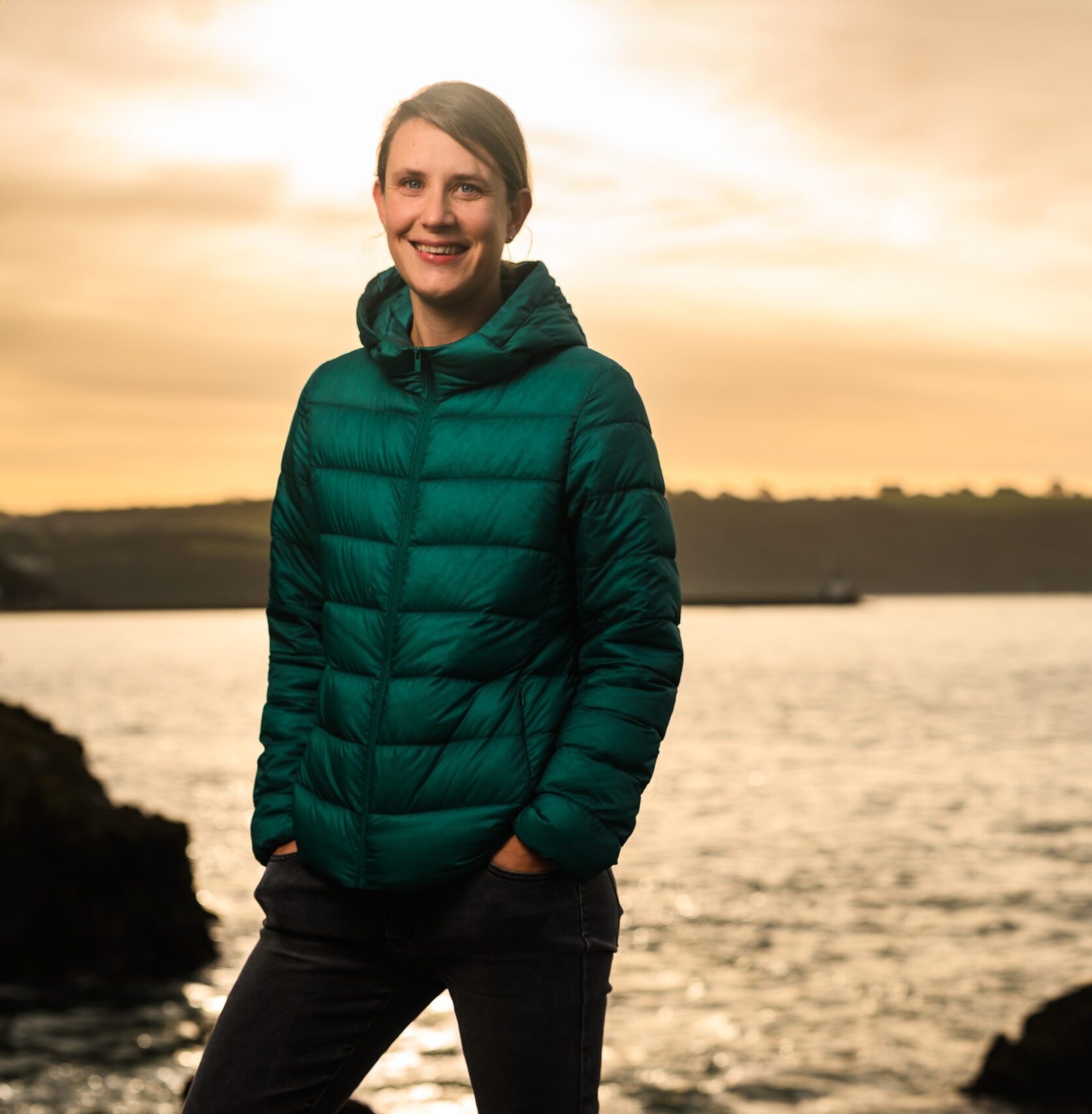
Dr Clare Ostle
CPR Research Fellow, Coordinator Pacific CPR Survey
Dr Clare Ostle
CPR Research Fellow, Coordinator Pacific CPR Survey
claost@mba.ac.uk
I am a marine biogeochemist and the co-ordinator of the Pacific Continuous Plankton Recorder (CPR) Survey. My research covers a range of topics from the marine carbonate system to ocean plastics. I have worked closely with the CPR dataset since my undergraduate project at Swansea University where I analysed changes in copepod abundance and distribution across the North Atlantic. My PhD was based at the University of East Anglia where I investigated how the activity and abundance of plankton may influence the variability of carbon dioxide flux in the North Atlantic. This work led to the development of a method for estimating Net Community Production (NCP) using volunteer ships of opportunity and oxygen optodes and piqued my interest in instrument development and sampling enhancements for the CPR. I have been involved in numerous syntheses reports and working groups, covering topics such as the operationalization of ecological indicators for European marine policy, ocean warming, and ocean acidification. I am an active member in the UK Pelagic Habitat Expert Group, the Global Ocean Acidification Observing Network (GOA-ON), Gulf Watch Alaska and The North Pacific Marine Science Organization (PICES).
