Microplastics and Marine Pollution
Research Lead – Dr Alice Horton
Our group is researching how ocean pollutants, especially microplastics (1 µm – 5 mm) and persistent chemicals, will interact to have long-term biological and ecological consequences, alongside wider climate stressors.
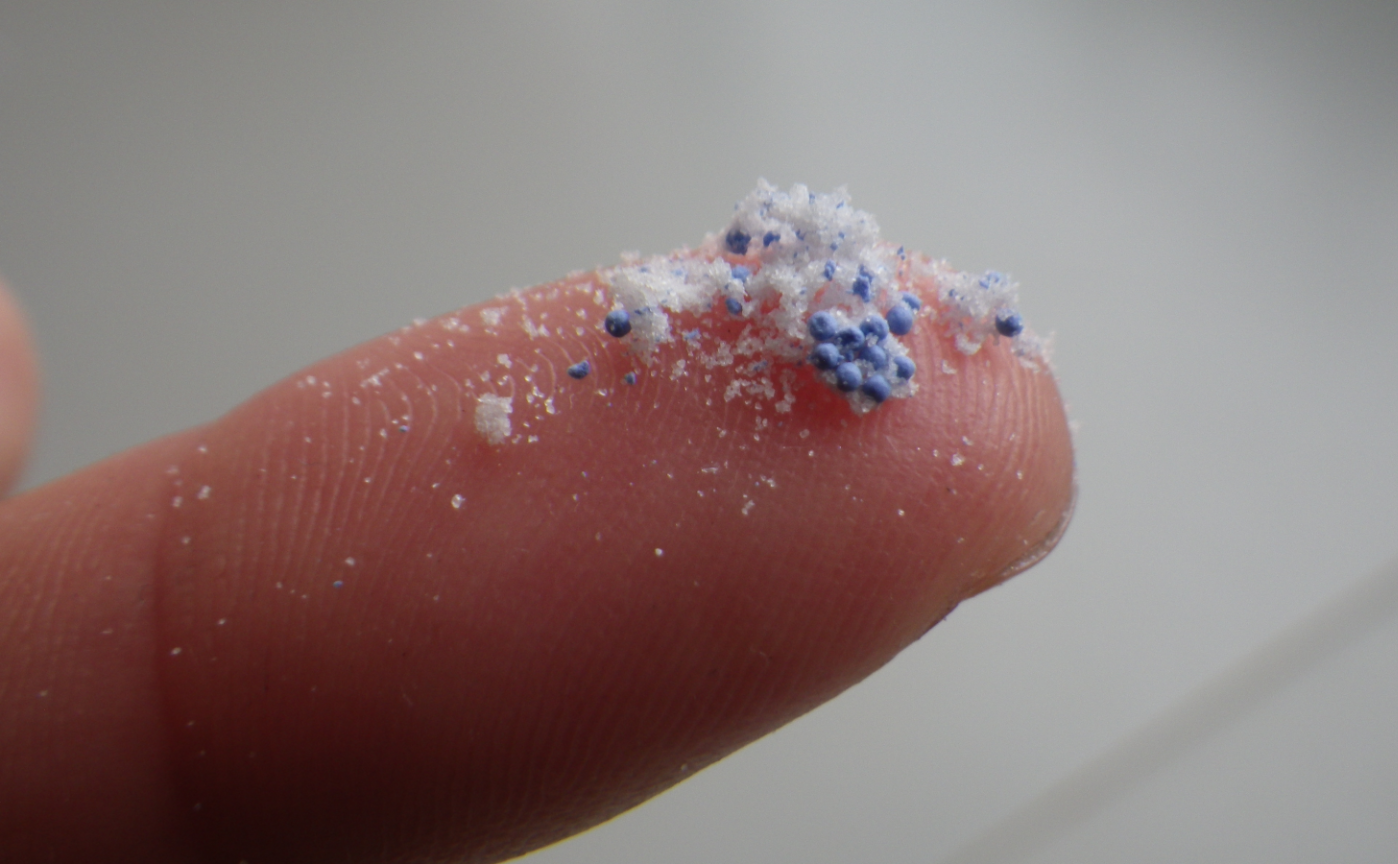
Microplastic pollution is a globally widespread concern, infiltrating all parts of the environment and ecosystems, and causing a wide range of negative effects to organisms. However, microplastics do not exist as a pollutant in isolation and represent just one component of a complex multi-stress system. Our research considers microplastics not only as a single contaminant, but as diverse materials in their own right, interacting with wider chemical and environmental stressors.
We employ a range of experimental, analytical and molecular techniques to understand exposure, fate and organism responses to combined stressors (multistressors). Our research focusses primarily on invertebrate species at the base of the food web, to understand the effects of ocean contaminants on these key organisms in the context of global environmental change.
Our Research Impacts
Microplastics interact with wider stressors
Stressors such as chemical pollution and increased temperatures can interact with microplastics, changing the hazard they pose. Understanding the long-term implications of these complex multistressors will be vital for identifying the key risks and solutions in this space. Our work will provide evidence to inform policy, industry and wider society.
Future predictions of risk
Different species will be differently susceptible to harm from pollution depending on their characteristics and the part of the environment they inhabit. Therefore, the effects can be difficult to predict. Our research will enable a better understanding of the risks posed by microplastics and multistressors, how different species will be affected, and ultimately enabling future predictions of harm.
Key Publications
Latest News
Our Team
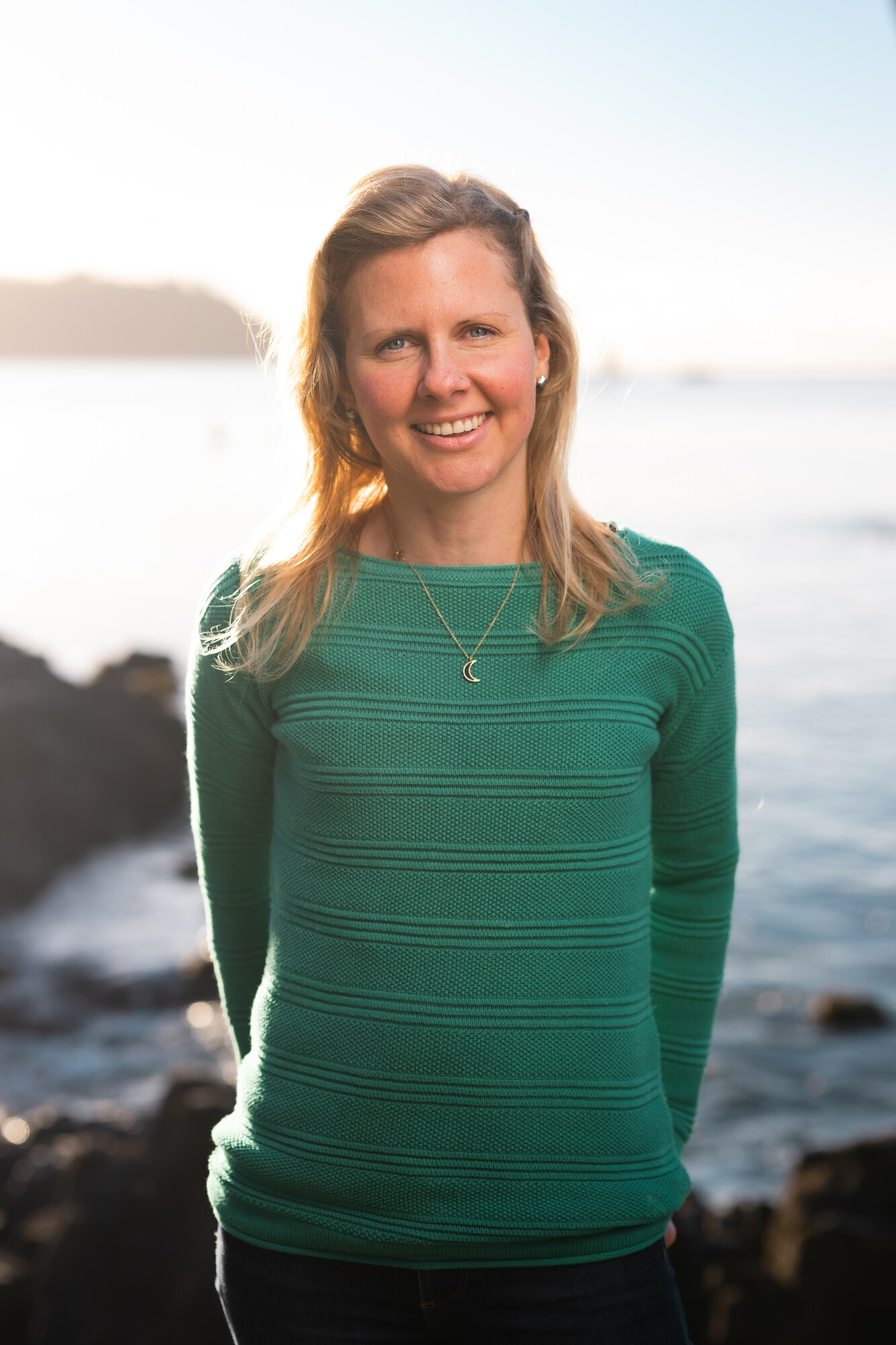
Dr Alice Horton
UKRI Futures Leaders Fellow and Senior Research Fellow
Dr Alice Horton
UKRI Futures Leaders Fellow and Senior Research Fellow
I am a UKRI Future Leaders Fellow and Senior Research Fellow here at the MBA. My expertise lies in microplastic pollution in aquatic ecosystems. My current research focusses on how microplastics will interact with wider environmental stressors (multistressors; including chemical contamination and climate change) to affect marine ecosystems, now and into the future.
I began my research on microplastics in 2014 at the UK Centre for Ecology and Hydrology where I studied abundance and ecotoxicity of microplastics in freshwater and terrestrial systems. After gaining my PhD from Leiden University (Netherlands), I moved to the National Oceanography Centre to investigate the flows of microplastics from rivers to the sea, and their interactions with estuarine and marine organisms. I started my fellowship at the MBA in 2025.
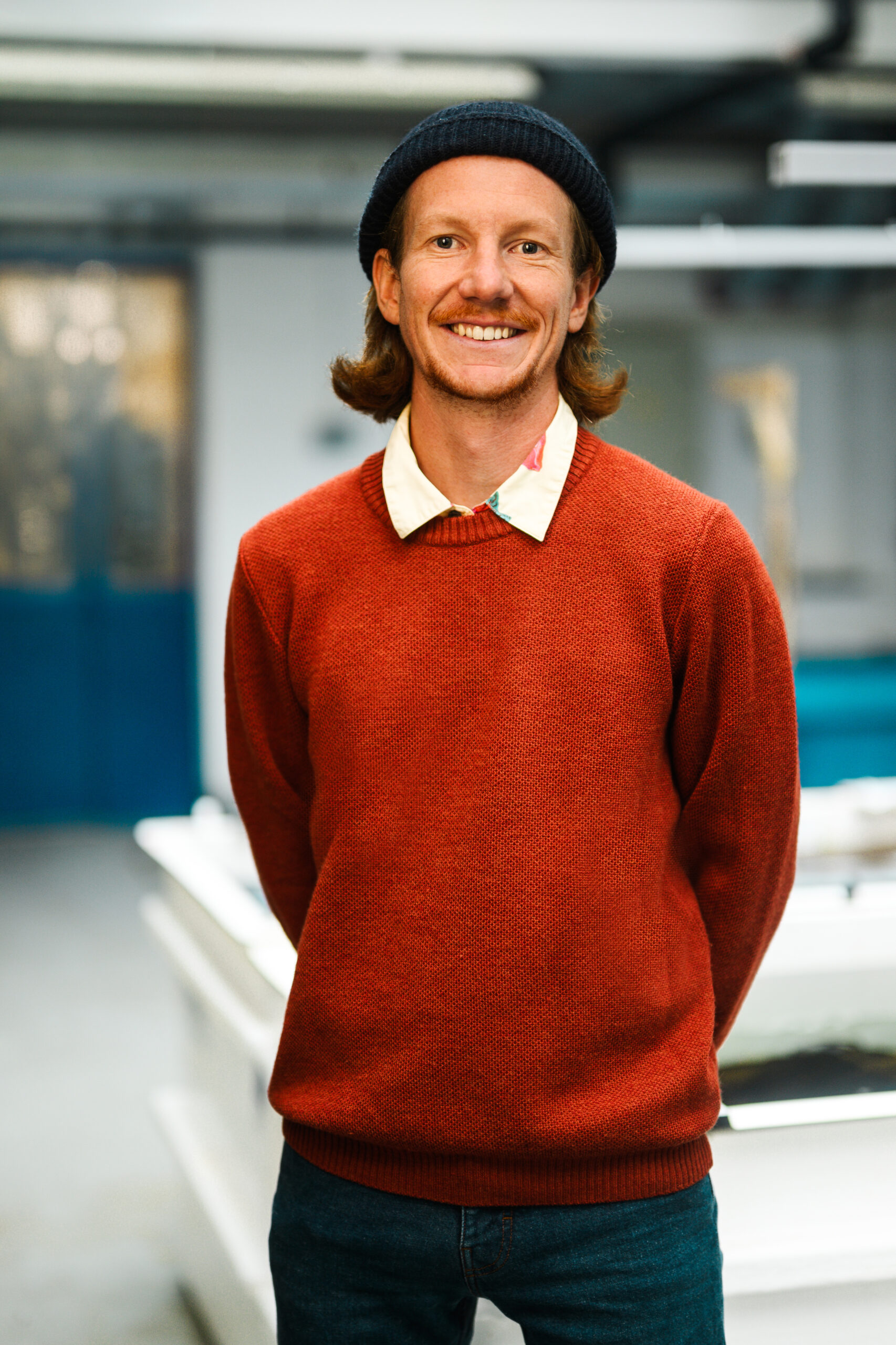
Dr Edgar Dusacre
Postdoctoral Research Assistant
Dr Edgar Dusacre
Postdoctoral Research Assistant
edgdus@mba.ac.uk


I am a marine ecotoxicologist specialising in the fate and effects of oil based, biobased and biodegradable microplastics, nanoplastics, plastic chemicals and other emerging pollutants in marine ecosystems.
My current research focuses on how microplastics and other anthropogenic contaminants interact with multiple environmental stressors to affect organisms from coastal to offshore environments, and on developing evidence that can inform more sustainable materials and policies.
I completed a co-tutelle PhD between the University of Bordeaux (France) and the University of the Basque Country (Spain) in 2025 on the fates and effects of microplastics, nanoplastics and plastic chemical coming from the degradation of fishing nets, and I contributed to communicating thse results to fishers, managers and industry stakeholders.
I am strongly committed to research integrity, open and reproducible science, and I actively contribute to collaborative, interdisciplinary projects that link ecotoxicology, modelling and field studies to support robust, policy-relevant outcomes. Alongside academic research, I co-founded and lead the scientific NGO 4P Scienseas, which develops research and outreach projects onlocal water pollution and ocean conservation.
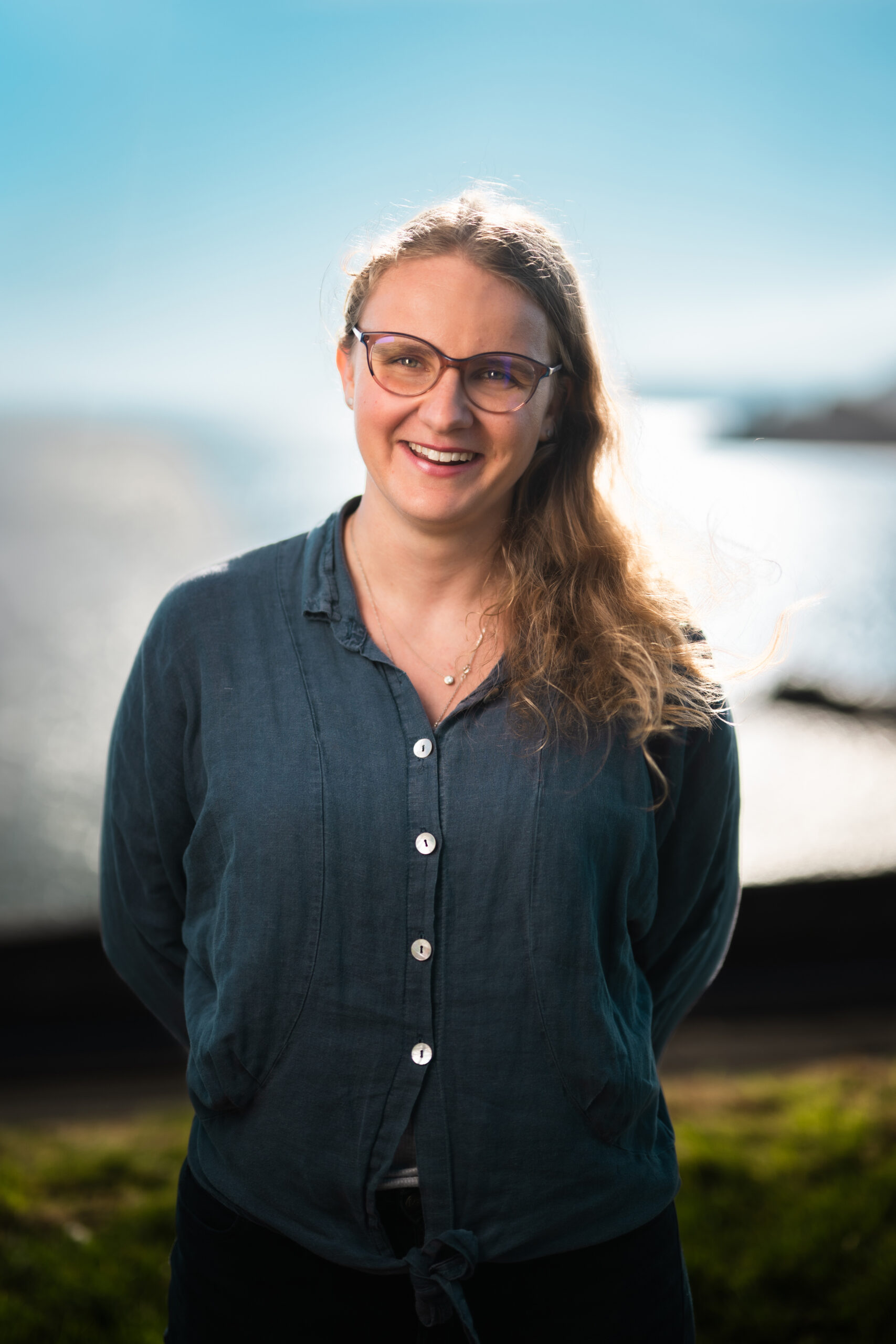
Marine Flieller MSc, BSc (Hons)
PhD Student
Marine Flieller MSc, BSc (Hons)
PhD Student
I am an IGNITE-funded PhD researcher at the University of Southampton, joining the MBA in 2026 under the supervision of Dr Alice Horton. My research addresses the use of oysters as bioremediators of marine microplastics pollution. My core objective is to investigate the use of oyster for its capacity of filtering microplastics from the water column, to improve its efficiency and evaluate the toxicological impacts on the oysters. I also test biological strategies for the degradation of microplastic in the marine environment.
I have quite an interdisciplinary background, starting in Applied Biology and Biochemistry in Clermont-Ferrand (France), I then obtained a Forensic and Analytical Science BSc (Hons) at Robert Gordon University. In 2023, I graduated from my MSc in Climate Change: Managing the Marine Environment from Heriot-Watt University where I studied the effects of a pesticide Selamectin and microplastics on mussels.
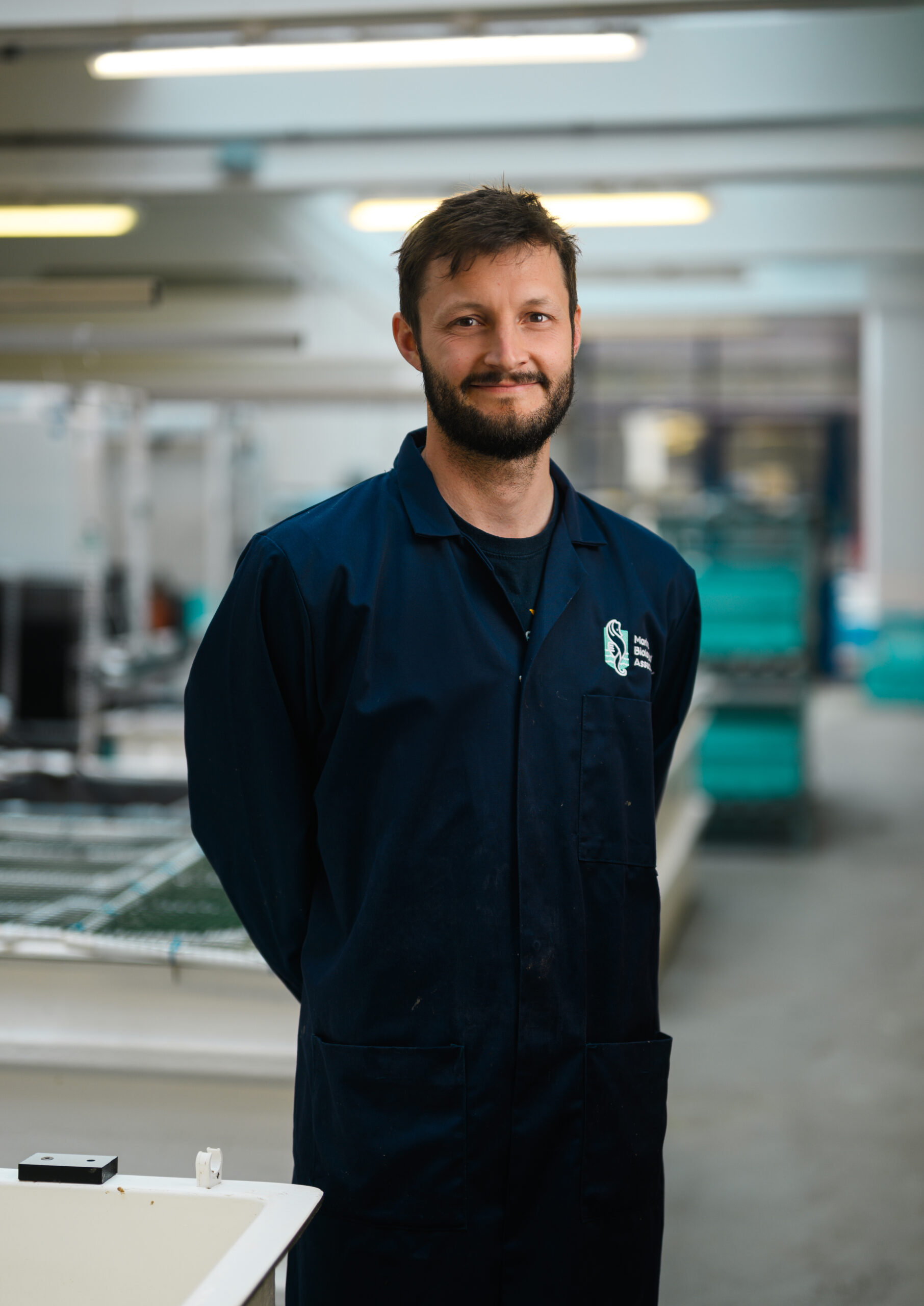
Dr Trystan Sanders
Postdoctoral Research Scientist
Dr Trystan Sanders
Postdoctoral Research Scientist
I am an experimental ecophysiologist primarily interested in how marine invertebrates respond and adapt to environmental change. I study the mechanisms by which organisms process energy elements (Ca, C and N) in ubiquitous physiological processes such as calcification, metabolism and protein turnover. My research seeks to explain a) species-specific responses to environmental pressures and b) how climate change and pollution will impact marine ecosystems and future seafood productivity.
I completed my PhD in 2018 in mussel ecophysiology at GEOMAR in Germany before working in industry in new Zealand followed by my first postdoc in 2021 in benthic ecology at the University of Southampton. I then spent four years at the University of Exeter as a postdoc working on shrimp physiology and sustainable aquaculture. I joined the MBA in June 2026 where I now work as a postdoc studying the combined impacts of climate change and microplastics on marine invertebrates.
