New research from the Marine Biological Association (MBA) aims to shed light on one of the greatest mysteries of the natural world – where do sharks go to give birth?
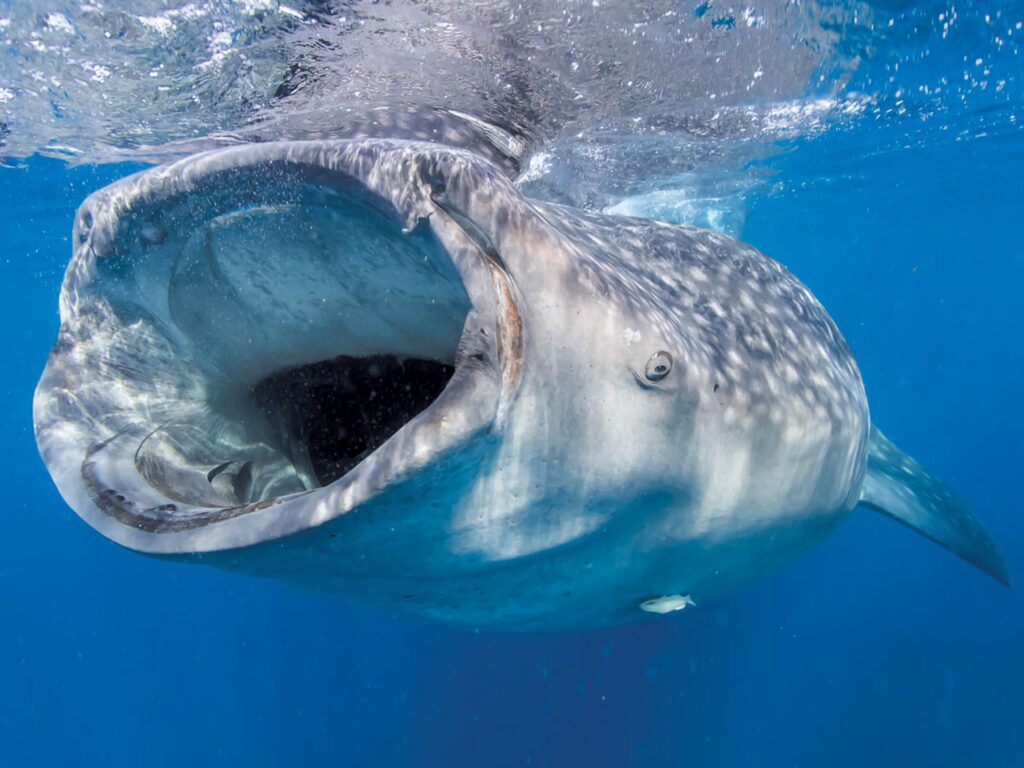
Sharks have inhabited the world’s ocean for over 400 million years, surviving mass extinctions and shaping marine ecosystems. However, little is known about their reproductive strategies.
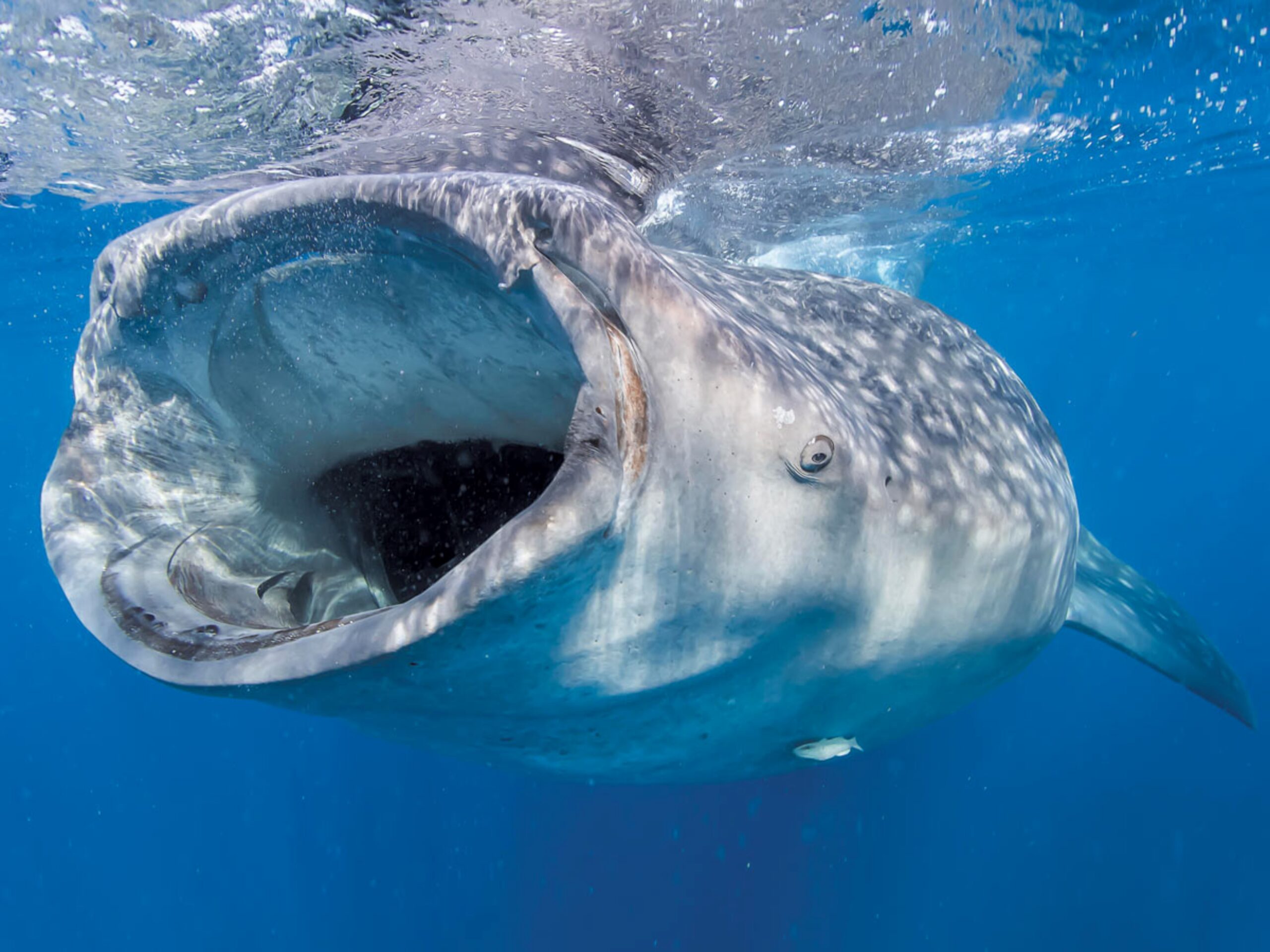
This includes the largest fish on Earth, the whale shark (Rhincodon typus), which can grow up to 18 meters in length. These gentle giants of the ocean are recognised keystone species of biodiversity, meaning they play a significant role in shaping and defining their ecosystem.
Despite their size and ecological importance, the reproductive behaviours of this species are poorly understood, including where females go to give birth. Sightings of neonates – baby whale sharks less than 1.5 meters in length – are extremely rare, with only approximately 35 recorded sightings worldwide between 1970 and 2020.
In a new study published in the journal Ecology and Evolution this week, researchers from the Ocean Predator Movement Ecology and Conservation research lab at the MBA mapped neonate whale shark sightings against oceanographic data in an effort to learn more about this elusive behaviour. The results revealed a surprising connection with the distribution of baby whale sharks and areas of the ocean known as Oxygen Minimum Zones (OMZs), where levels of dissolved oxygen are extremely low.
“Just imagine these tiny, spotty baby sharks swimming around in the open ocean like tadpoles”, says Dr. Freya Womersley, lead author and Post Doctoral Researcher at the MBA, “They need to stay safe from predators and find as much food as they can, so certain areas of the ocean may suit them more than others, and that’s why we wanted to map their locations as a first step.”

The researchers propose two main hypotheses to explain the link between neonates and OMZs: one where female whale sharks may deliberately give birth near OMZs, where low-oxygen waters offer protection from predators and high surface productivity ensures plentiful food for neonates, and one where neonates may be born randomly in the open ocean, but OMZs force them to remain closer to the surface due to their inability to tolerate low-oxygen waters, making them more likely to be observed by humans.

Professor David Sims, Senior Research Fellow at the MBA said, “Our analysis suggests that OMZs could play an important role in the early life of whale sharks, and perhaps even other young sharks, by acting as natural refuges, offering protection from predators and abundant food sources”
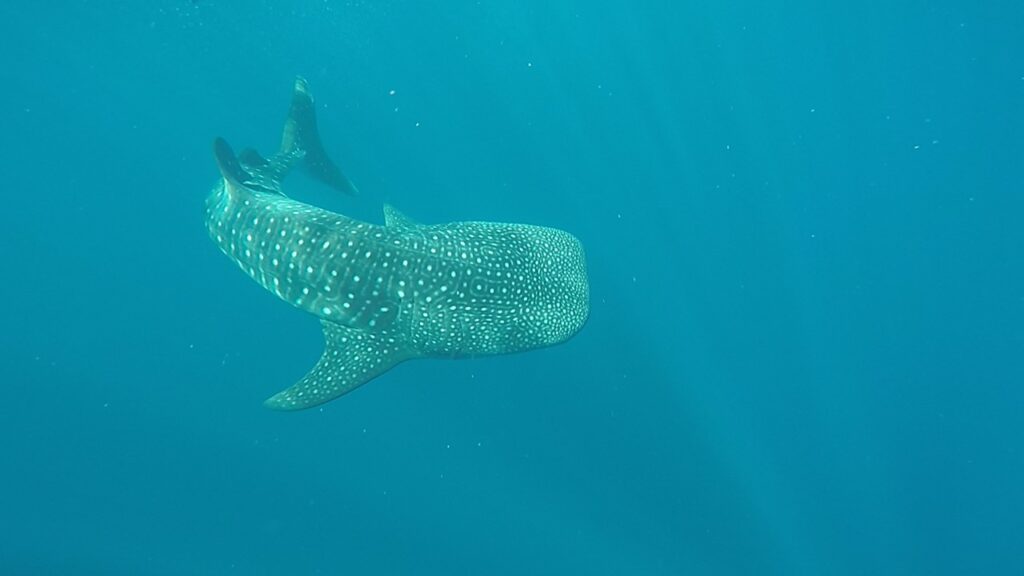
Whale sharks are classified as endangered, with their populations under threat from ship collisions, habitat degradation, fishing bycatch, and climate change. Understanding the role of OMZs in whale shark reproduction could help prioritise areas for conservation. With areas of OMZs predicted to increase with climate change, the survival of neonates could become increasingly affected, raising questions about how they will adapt to warming seas and changes in the location of OMZs.
This research highlights areas at the boundaries of productive upwelling systems – regions where neonates are most likely to occur – as key targets for future research and protection efforts. Womersley and team at the MBA offer a roadmap for future research, suggesting using biologging devices that measure in situ oxygen concentrations to explore how whale sharks interact with OMZs across different life stages. These tools could also shed light on how neonates respond to climate-driven changes in ocean chemistry.
“By focusing on areas which share similar characteristics to where these baby sharks have already been spotted, we can better understand where to look for neonates and how to protect them,” says Dr. Womersley, “This is a critical step toward ensuring the survival of this iconic species.”
Read the full note in the Journal Ecology and Evolution here.
Read our latest news stories here!
- MBA’s Professor Colin Brownlee to give the 39th Annual Plymouth Marine Science Education Foundation (PlyMSEF) Medal Lecture
 The PlyMSEF Medal Lecture is a prestigious annual event celebrating significant contributions to marine science. It provides an opportunity to hear from leading researchers and celebrate Plymouth’s internationally recognised marine … Read more
 - MBA scientists awarded NERC Urgency Grant to track marine heatwave impacts
 The Marine Biological Association (MBA) has been awarded a Natural Environment Research Council (NERC) Urgency Grant to investigate the biological effects of the severe-to-extreme marine heatwave recently recorded in the English Channel, southern North Sea and Bay of Biscay.
 - The Marine Biologist magazine cover shortlisted for prestigious publishing award
 We’re delighted to share that an eye-catching cover of The Marine Biologist magazine has been shortlisted for Cover of the Year at the PPA Independent Publisher Awards 2026.