New research involving long-term marine monitoring data from the Marine Biological Association (MBA) suggests climate-driven changes in marine biodiversity could fundamentally alter ecosystems across UK and North-East Atlantic waters by the middle of this century.
Published in Science Advances and led by researchers at Cefas (Elena Couce), the four-year study examined how warming seas are likely to affect four key components of marine ecosystems: fish, seafloor invertebrates, phytoplankton and zooplankton. The findings of the paper, From plankton to fish: 21st- century redistribution of marine biodiversity and the changing role of rare species, reveal that climate change is not affecting all parts of the marine food web equally.
While some groups, including fish and seabed invertebrates, are projected to become more diverse as warmer-water species move northwards, the study predicts declines in the diversity of phytoplankton and zooplankton, the microscopic organisms that form the foundation of marine food webs.
This mismatch between predators and their prey could have far-reaching consequences for ecosystem stability, ocean health and future food security.
A major contribution to the study came from the MBA’s internationally renowned Continuous Plankton Recorder (CPR) Survey, one of the world’s longest-running marine observing programmes.
Co-author Pierre Hélaouët, Applied Research Scientist, CPR Survey, said: “The key insight from this study is that more biodiversity does not automatically mean a healthier ecosystem.
“Climate warming in UK and North-East Atlantic waters is not simply increasing marine biodiversity; it is reshaping it unevenly, with potential increases in fish species occurring alongside declines in the plankton that support the entire food web, creating a risk of ecosystem destabilisation and reduced ocean resilience.”
The seas around the British Isles are recognised as marine climate hotspots, having experienced some of the fastest rates of ocean warming globally over the last 50 years. Using long-term biological datasets including data from the MBA’s (CPR) Survey and advanced machine-learning techniques, researchers projected how biodiversity may respond under future climate scenarios.
By 2050, the study suggests fish and benthic invertebrate diversity could increase by approximately 12%, while phytoplankton diversity may decline by around 3% and zooplankton diversity by around 7%.
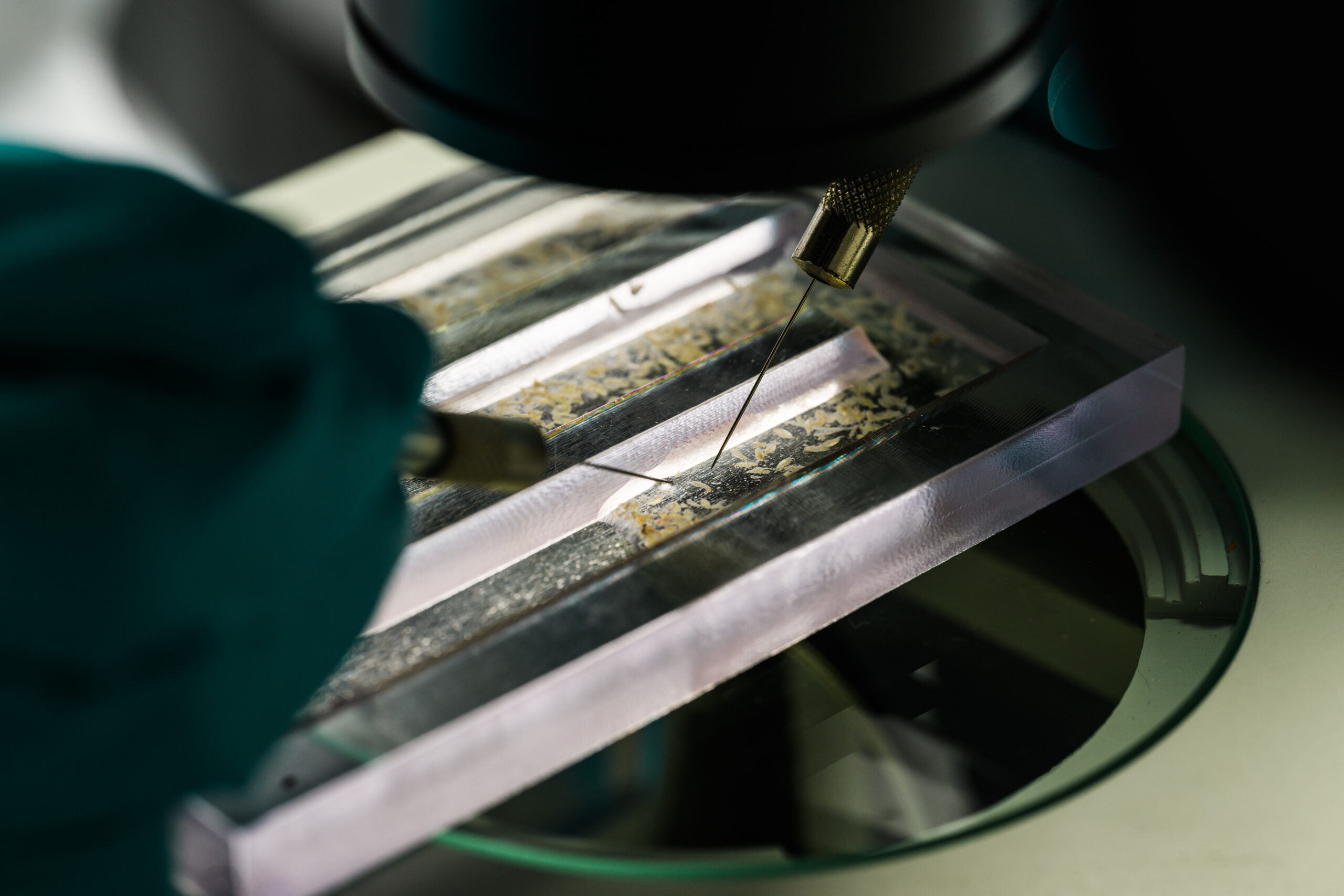
The research included analysing phytoplankton and zooplankton data obtained from the CPR Survey, using a CPR sampler towed behind ships which continuously filters plankton from the water column. The phytoplankton and zooplankton analyses were derived from more than 114,000 CPR samples collected across the North Atlantic since 1980, providing an unparalleled long-term record of marine ecosystem change. In total, the study analysed 173 phytoplankton taxa and 119 zooplankton taxa.
The study highlights the importance of these long-term observations for understanding climate impacts and informing future management decisions.
“This is a good example of the CPR Survey supporting evidence-based marine policy in line with current UK needs, including Marine Protected Areas, fisheries adaptation, UK Marine Strategy assessments and climate adaptation planning,” said Pierre.
“This study builds directly on the MBA’s long-term plankton legacy. A major component of the study comes from the CPR Survey, one of the world’s longest-running marine biological observing programmes. Without sustained observations over decades, it would not be possible to identify and project these large-scale ecosystem changes with confidence.”
The authors say the research can help identify hotspots of ecological change and act as an early warning system for marine ecosystem disruption. The findings have already been submitted to the UK Government’s review of Marine Protected Areas and could help support future decisions on marine conservation, fisheries management and climate adaptation.
The study was led by Cefas and involved researchers from the University of East Anglia, the Marine Biological Association, UiT The Arctic University of Norway, the Royal Netherlands Institute for Sea Research and the Technical University of Denmark.
As climate change continues to alter ocean conditions, the research highlights the vital role of long-term marine monitoring programmes such as the CPR Survey in understanding how entire ecosystems, not just individual species, are responding to a changing world. By identifying today’s biodiversity hotspots and forecasting how they are likely to change in the years ahead, the research can help policymakers and conservation managers make better decisions to protect marine life in a rapidly shifting climate.