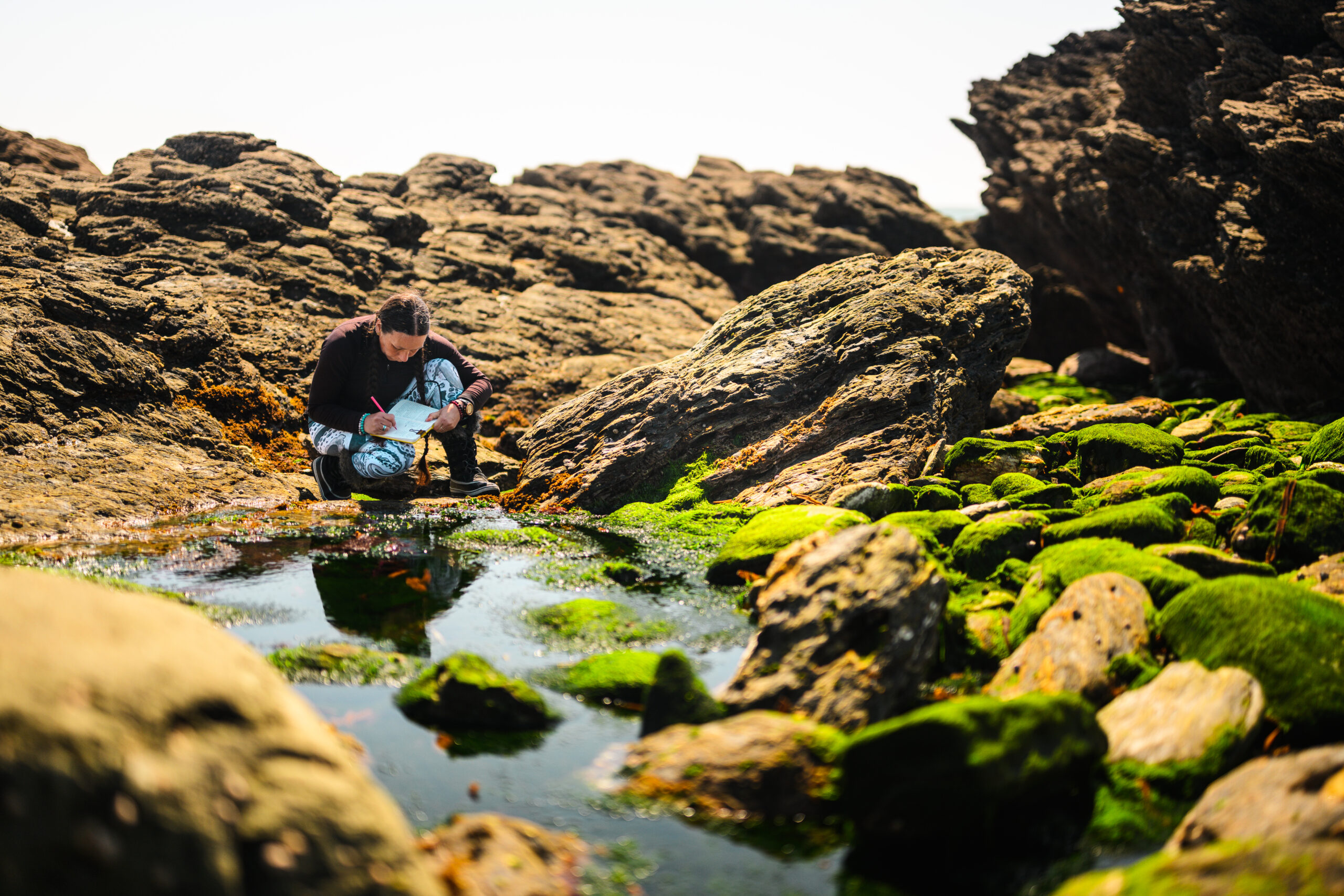
New findings from the Marine Climate Change Impacts Partnership (MCCIP) highlight how 25 years of annual monitoring, backed by the long-running MarClim project are providing unprecedented insight into the impacts of climate change on the UK’s coastal and intertidal habitats.
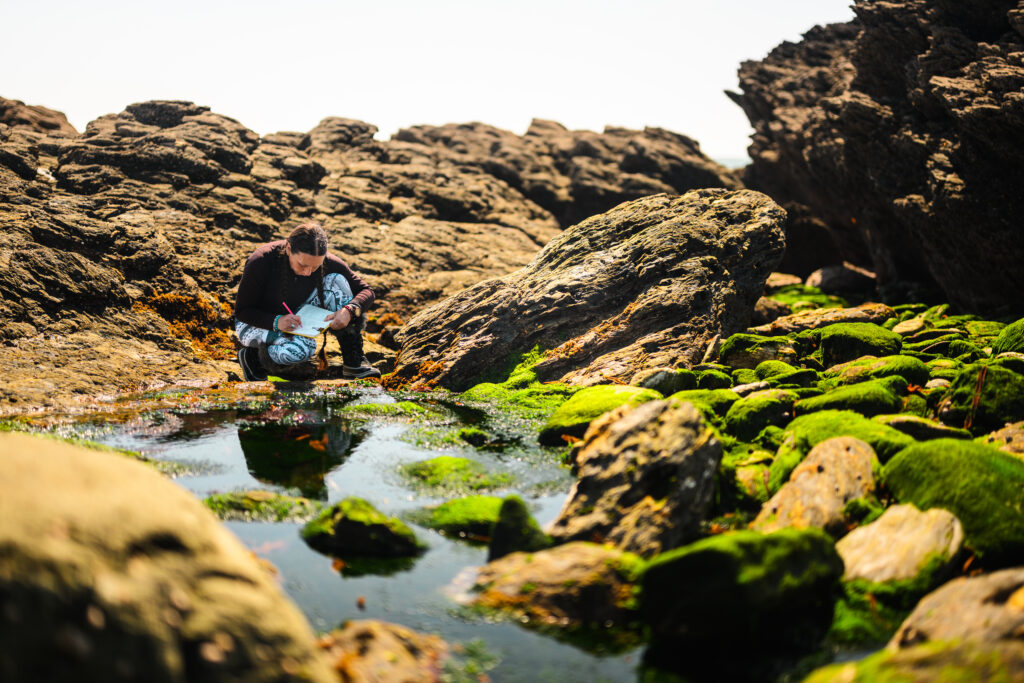
Long-term observations of rocky shore species are revealing clear, biological responses to a warming marine climate. Warm-water species are expanding their leading range limits to higher latitudes around the UK coastline, whilst the population abundances of cold-water species are declining in parts of their historic range, and retractions of the trailing range limits being recorded for some species in southwest England.
At the heart of this evidence is the Marine Biodiversity & Climate Change Project (MarClim) programme, one of the UK’s longest-running marine climate change monitoring initiatives. Although continuous annual surveys have been conducted at 100 sites around the UK since 2002, the dataset stretches back to the 1950s, providing an exceptionally rare record of ecological change over more than eight decades.
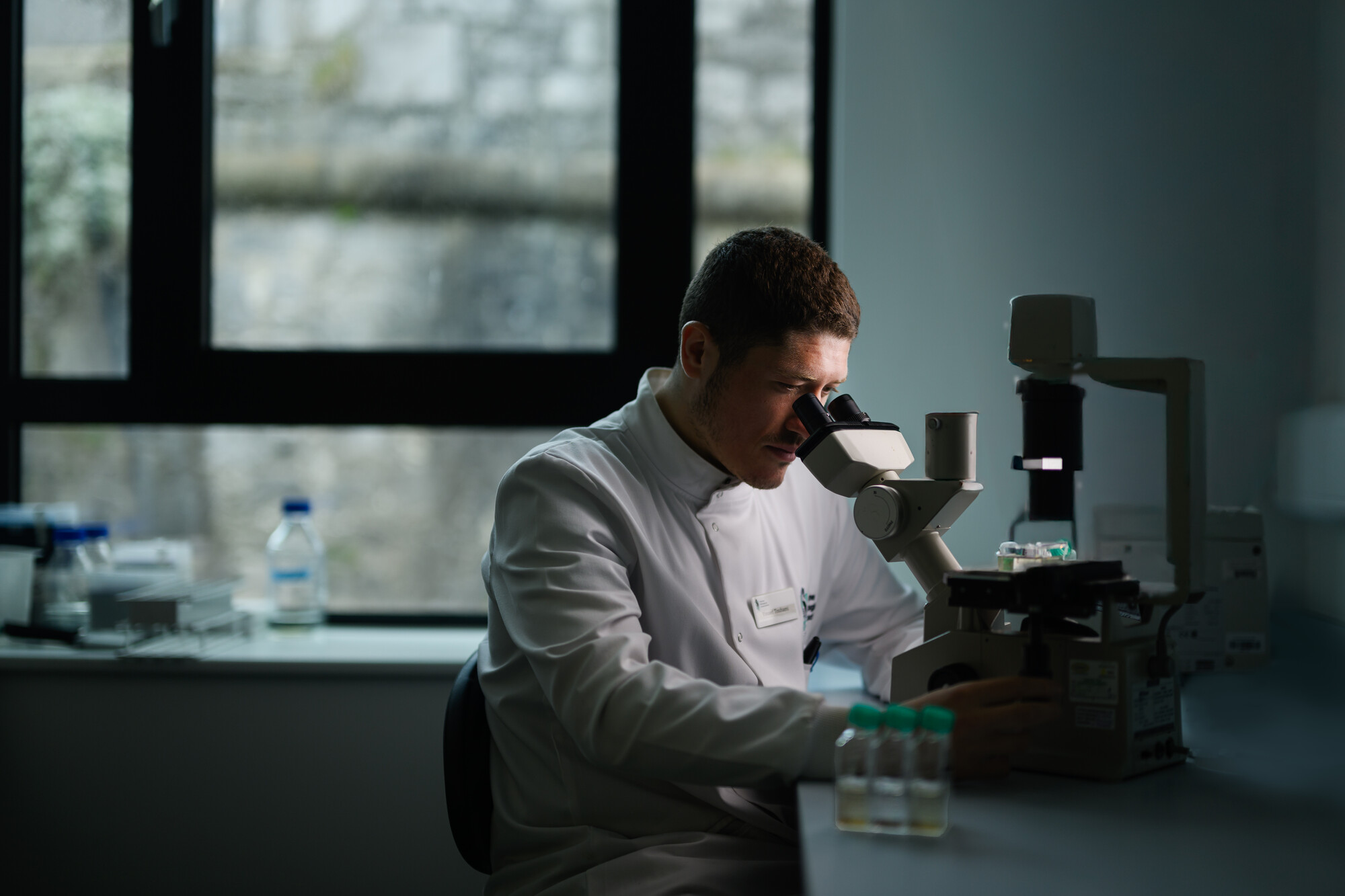
Dr Nova Mieszkowska, Senior Research Fellow at the Marine Biological Association (MBA) is the principal investigator for MarClim.
Dr Mieszkowska said: “The multidecadal, multi-site coverage facilitates a deep understanding of how species, communities, and ecosystems are responding to climate change, and enables forecasts of future change.”
By monitoring a wide range of native and invasive species across the UK over long periods, MarClim provides crucial evidence of how quickly climate change is affecting marine life and helps build a clearer picture of its impacts on coastal environments.
Climate change threatens UK shorelines
The rolling MCCIP report shows that accelerated relative sea-level rise, increased storminess, and extreme weather events are significantly disrupting UK shorelines. Climate change may be facilitating the spread of established invasive non-native rocky shore species, with recent range extensions observed in the English Channel, southern North Sea, and the Celtic Sea.
Species on the move
The data show that climate change is reshaping UK coastlines, however not all species respond in the same way. Some warm-water species are expanding northwards and shifting their range by more than 10 km per decade, while some cold-water species are retreating. Other species show little or no movement, highlighting the complexity of marine ecosystems.
The report predicts that some cold-water species, such as the common rock barnacle (Semibalanus balanoides) and wrinkled barnacle (Balanus crenatus) may disappear entirely from some rocky intertidal habitats in south-west England.
Why rocky shores matter
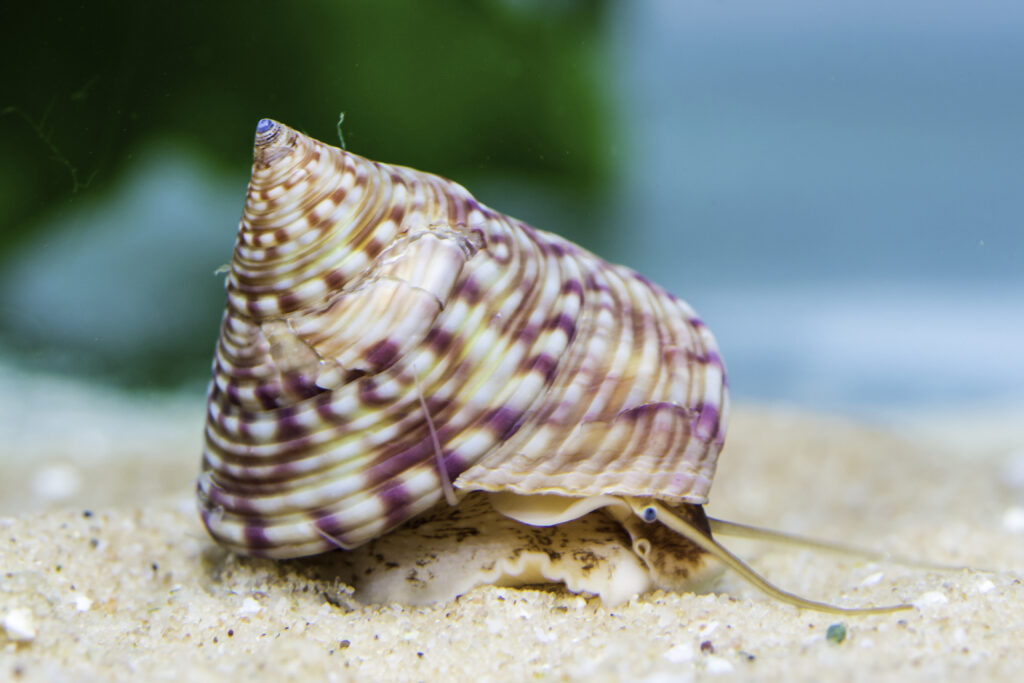
Rocky intertidal systems are incredibly biodiverse, with UK shores hosting several hundred species of macroalage, invertebrate, and vertebrate species. They are a significant source of blue carbon, and kelp farming is a growing industry in UK coastal waters.
Rocky shore species provide habitat nursery for juvenile fish, including commercially fished species. They also act as natural buffers for storm events, protecting areas of coastline.
Dr Mieszkowska said: “The UK has a long history of rock pooling and amateur naturalists recording intertidal species that dates back to the Victorian era. As a coastal nation there is an intrinsic love of the coast as a place to relax, enjoy, and also obtain goods and services through the blue economy.”
Coastal ecosystems at risk
Climate-driven sea-level rise and more frequent, severe storms are increasing erosion and flooding in saltmarsh, machair (rare, fertile, low-lying grassy plains) and dune slack, wet valley, and sand dune habitats. These changes are forcing coastal ecosystems to move inland, altering water conditions and plant communities, and causing the loss of flood-sensitive species. As these habitats shrink and change, biodiversity loss is becoming an increasing concern for these vulnerable coastal environments.
Science-based solutions
Only by studying a wide range of species over wide geographical scales can scientists gain a clear understanding of how climate change is affecting UK coastlines.
Dr Mieszkowska said: “Regularly monitoring and tracking of marine ecosystems over several decades provides a unique insight into how they are responding to pervasive climate change. This data provides more robust predictions of future climate change impacts on marine species.”
As climate change continues to put pressure on coastal environments, long-term monitoring programmes such as MarClim will be essential for tracking and understanding changes in UK coastal ecosystems and safeguarding these vital marine ecosystems for the future.
For more information, please read the full MMCIP Coastal and Intertidal Habitats Report.
MarClim is funded by UK Government Statutory Nature Conservation Bodies, with data and findings being directly reported to these agencies and Defra to assist with policy and management actions.