Thousands of observations of marine wildlife have been recorded during the 2026 National BioBlitz, providing valuable data that will help scientists to monitor changes in biodiversity around the UK coastline.
The annual citizen science event, led by The Rock Pool Project, took place between 23 and 31 May 2026 and saw participants from Cornwall to Shetland explore rocky shores and record marine species using the iNaturalist app. In total, 3,781 observations of 544 species were submitted, creating a fascinating national snapshot of life in the intertidal zone.
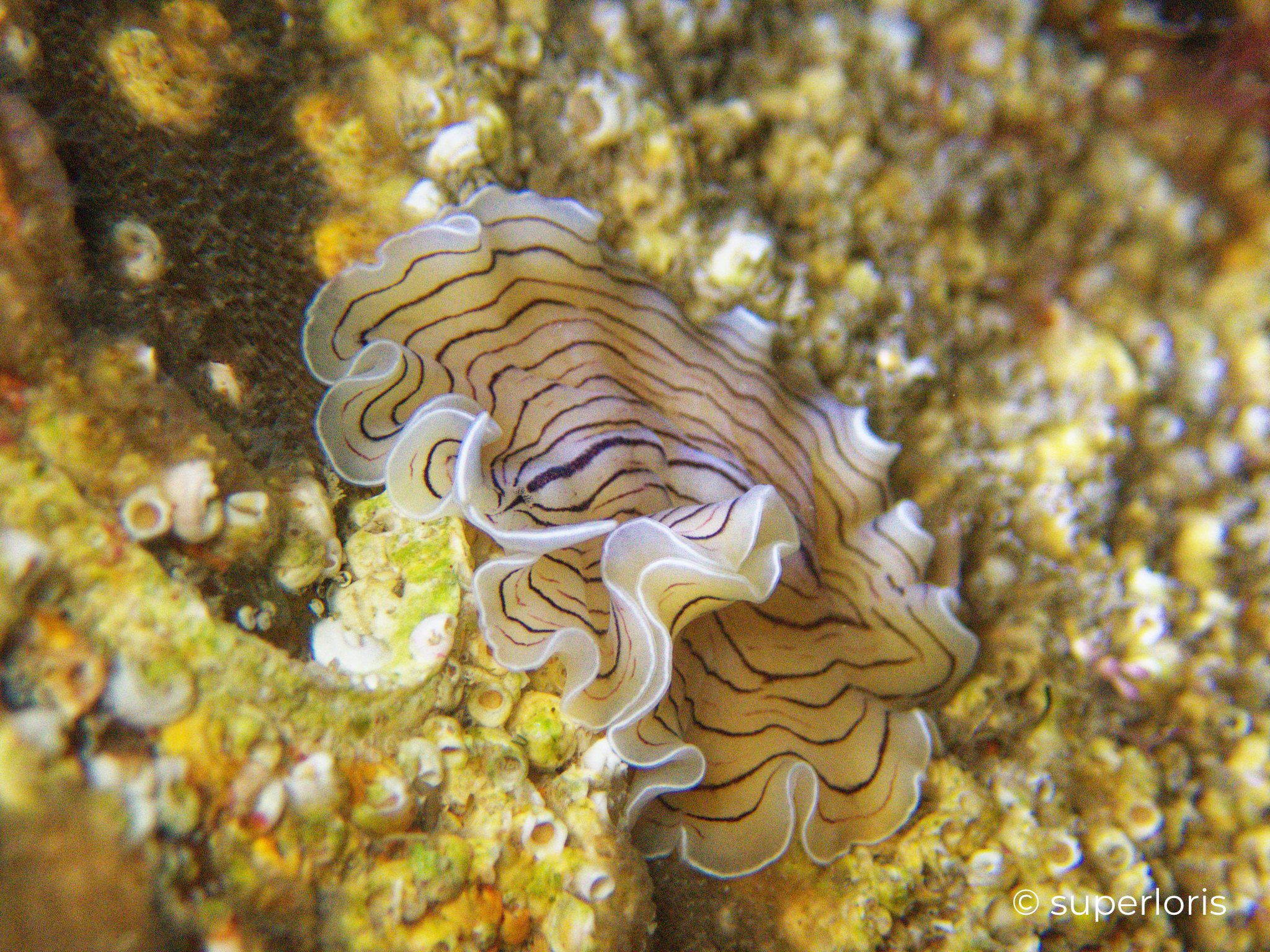
A Candy stripe flatworm was spotted by one keen-eyed rock pooler. c. superloris
Coastal curiosity feeds valuable data insights
For researchers and data specialists at the Marine Biological Association (MBA), datasets generated through initiatives such as the National BioBlitz are a vitally important source of information. Citizen science records are a valuable resource to complement long-term monitoring programmes by providing observations from a wide geographic area, helping scientists track changes in species distributions, identify emerging trends and monitor the spread of non-native marine species.
New sightings indicate marine ecosystem change
Among the thousands of records submitted this year were sightings of the rare shrimp Philocheras fasciatus off the Hampshire coast and multiple observations of the striking candy-striped flatworm (Prostheceraeus vittatus). Participants also recorded 19 of the 47 targeted marine non-native species, including wireweed (Sargassum muticum), stalked sea squirt (Styela clava) and red ripple bryozoan (Watersipora subatra). These records contribute to a growing evidence base that can help scientists and conservation managers understand how UK marine ecosystems are changing over time.
The event also demonstrates the power of public participation in marine science. People of all ages and levels of experience took part, including families, schools, wildlife groups and experienced naturalists. Together, their observations provide insights that would be difficult to achieve through scientific surveys alone.
As well as contributing to science, participants competed to record the rarest species, with prizes awarded across nine regions. Overall winner Kamil Majewski submitted 287 records from the Southwest, achieving an impressive score of 3,344 points.
Reflecting on the success of the event, Laura Coles, Deputy CEO of The Rock Pool Project, said:
“The National BioBlitz 2026 showcases the power of coordinated citizen science in revealing the richness and change of UK intertidal biodiversity. From Cornwall to Shetland, participants, volunteers and hub leaders contributed thousands of records that strengthen our national understanding of coastal wildlife.”
Read the full report here.
