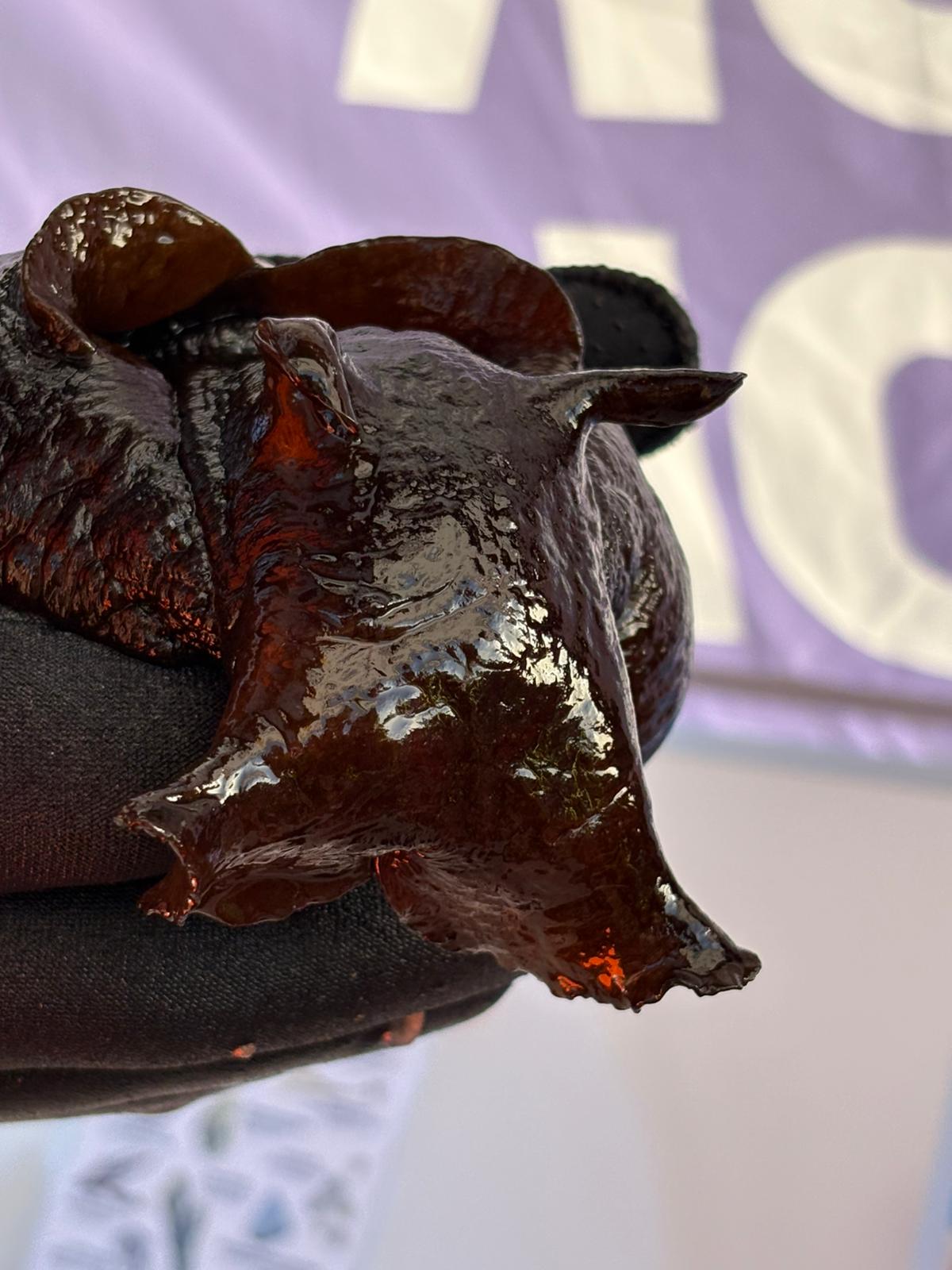
A very unusual marine discovery has been made at Plymouth’s Mount Batten Beach during The Rock Pool Project’s monthly BioBlitz Battle. Two keen young rock poolers taking part in the citizen science event found specimens of the depilatory sea hare (Aplysia depilans), a species usually only seen in the Mediterranean and East Atlantic. It is possible that warming waters and increased storms have allowed for this species to make themselves more at home on our shores.
One of the sea hares was discovered by five-year-old Charley Taviner, who joined the BioBlitz Battle for the first time.
Charley’s dad, Chris Taviner, said: “For what I initially thought was seaweed, this has taken a surprising turn! If it wasn’t for my son Charley chasing after a large crab, we wouldn’t have found it.”
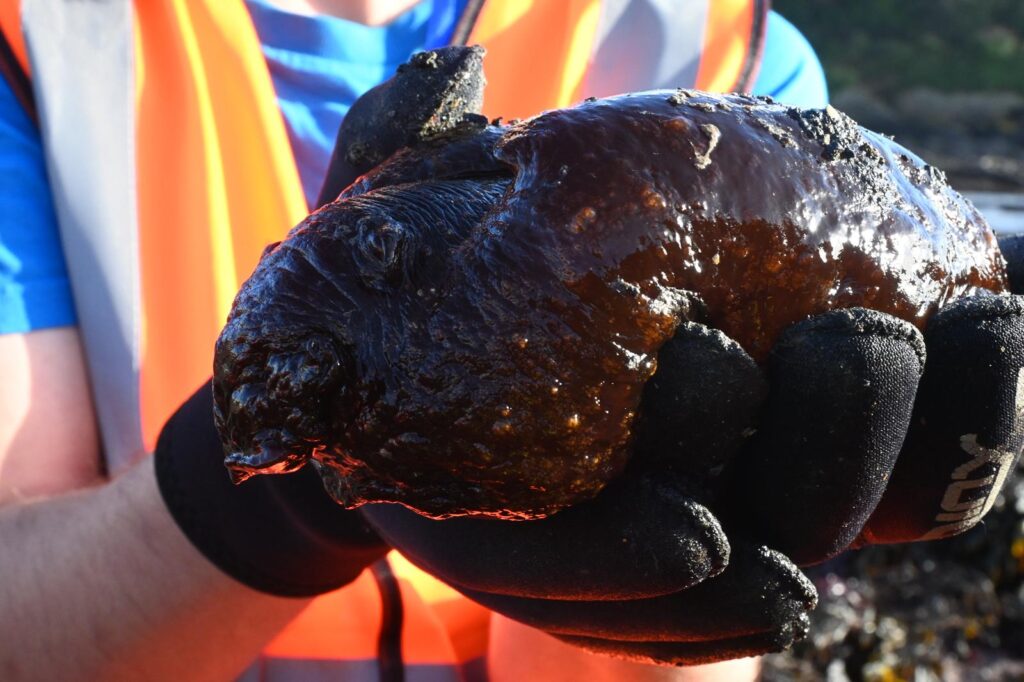
What was thought to be seaweed turned out to be a species of sea hare normally only spotted in the Mediterranean and East Atlantic. c. Loretta Kwok
This discovery perfectly captures what The Big Rock Pool Challenge is all about, which is to inspire curiosity and action by engaging communities in hands-on citizen science and strengthening their connection to local coastal environments.
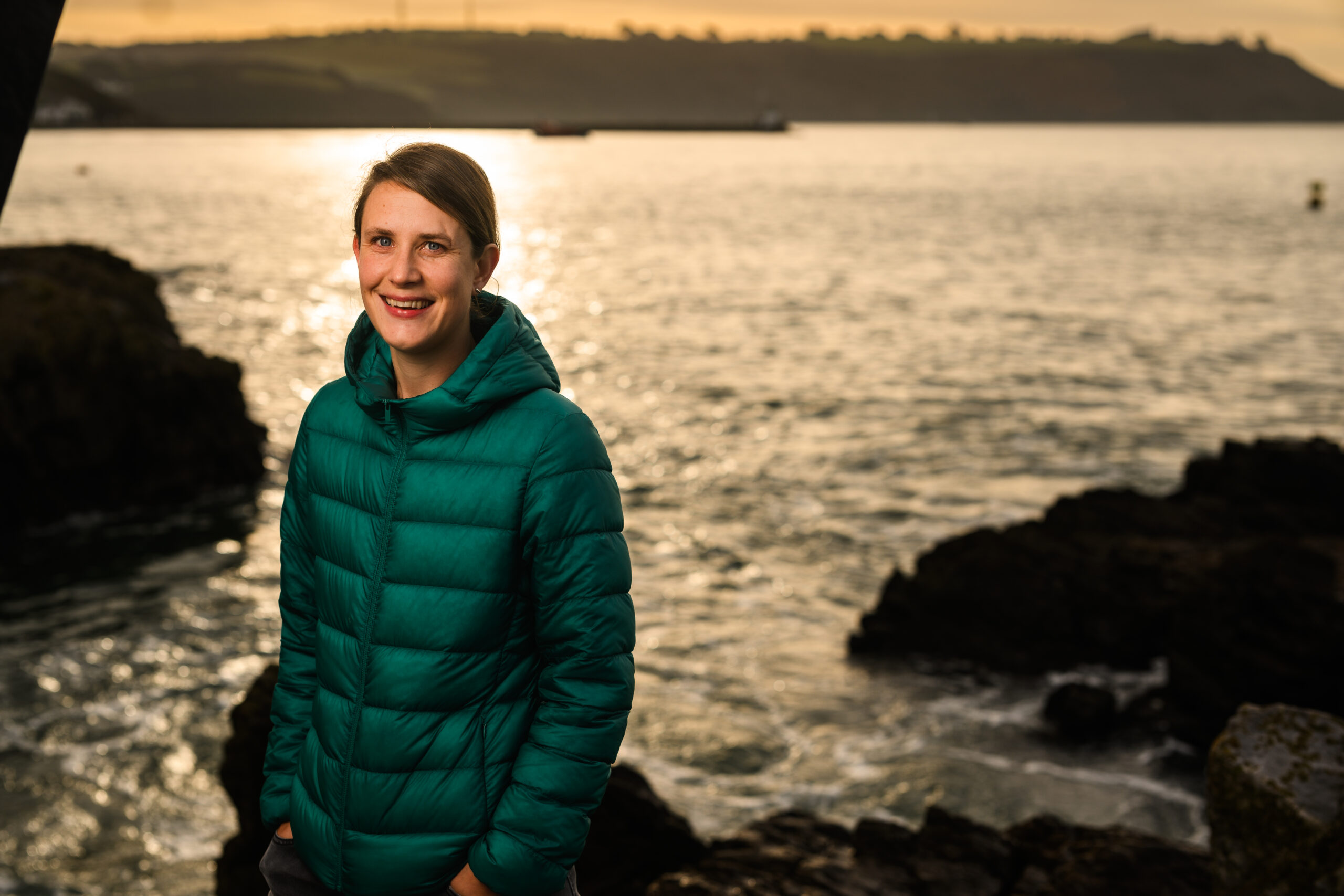
Loretta Kwok, South West Lead of The Big Rock Pool Challenge, said: “By bringing people together to gather scientific data and contribute to ongoing research and monitoring, we’re deepening understanding of these ecosystems while empowering communities to play an active role in their protection. Just as importantly, we want people to have fun! The joy of discovering something rare can spark a lasting sense of wonder and a stronger passion for caring for our marine environment.”
Since the launch of The Big Rock Pool Challenge in October 2024, over 255 species have been identified and recorded at Mount Batten.
“These findings highlight just how rich and dynamic our coastal ecosystems are, and how much there is still to discover right on our doorstep,” says Loretta. “It’s still too early to draw conclusions from this single discovery, but one thing is certain – that our local rock pools and coastal habitats are incredibly diverse.”
The team hopes that this discovery will draw more attention to what’s happening beneath the surface of our seas and inspire a deeper appreciation for the incredible diversity of wildlife along the UK coastline.
“By highlighting these fascinating finds, we aim to inspire curiosity, raise awareness about the importance of marine conservation, and encourage more people to get involved in exploring and protecting their local marine environments,” Loretta adds.
Melanie Hill, Executive Officer and Trustee at the ScottishPower Foundation, which part-funds the challenge said: “Discoveries like this are a wonderful reminder of the magic and mystery still waiting to be uncovered along our coastlines.
“By bringing people together to explore, learn and share their findings, The Big Rock Pool Challenge is not only deepening our understanding of marine life but also inspiring the next generation to protect it.
“At the ScottishPower Foundation, this is exactly the kind of project we seek to support, one that combines science, education, and joy to create a lasting impact for our environment and communities.”
Zak Russell talks about discovering the depilatory sea hare (Aplysia depilans)
For any budding marine citizen scientists out there, Zak Russell, Mount Batten Hub Leader, has this advice: “Take time to explore your local blue spaces and simply enjoy connecting with the wildlife around you. When you’re out rock pooling, be patient – look carefully under rocks, among seaweeds, and in small pools. You’ll be amazed at what you can find when you slow down and observe closely.”
As well as being great fun, rock pooling also presents the opportunity to develop more skills.
“If you’d like to build your identification skills while contributing to real research, try using the iNaturalist app to record and share your observations as you explore. There are plenty of online resources and communities of experts who can help you learn more as well,” explains Zak. “You can also join the MBA Membership Hub to share your discoveries with marine scientists and fellow enthusiasts. It’s a great way to deepen your knowledge and become part of a growing network of ocean advocates.”
Aplysia depilans facts
- A. depilans can grow up to 40cm long and weigh up to 380g.
- This species is normally be found in the eastern Atlantic and the Mediterranean.
- They are significantly larger than the more common Spotted seahare (Aplysia punctata).
- They are capable of swimming by flapping their two large parapodia (large, wing-like flaps of tissue that make these animals surprisingly agile compared to other molluscs).
The Big Rock Pool Challenge is run in partnership with the Marine Biological Association and funded by The National Lottery Heritage Fund and the ScottishPower Foundation. Find your next local Big Rock Pool Challenge event here.