A new economic analysis has shown that sequencing the DNA of all complex life in the UK and Ireland could deliver up to almost £3 billion in benefits to the economy over the next 30 years, with wide‑ranging impacts across agriculture, conservation, and research and innovation.
Published today by Frontier Economics, the report ‘The value of reference genomes and the Darwin Tree of Life project‘ assesses the value of the Darwin Tree of Life (DToL) Project – a national effort to sequence the genomes of all findable eukaryotic species in the UK and Ireland. The Marine Biological Association (MBA) is a core partner in the project, leading the marine component of genome acquisition and ensuring that the rich biodiversity of UK seas is represented in this landmark scientific resource.
The Darwin Tree of Life Project aims to generate high‑quality, openly available reference genomes for an estimated 30,000 species. To date, the project has already delivered more than 2,500 reference genomes, saving the global scientific community an estimated £55 million in research costs by reducing duplication and accelerating discovery.
Economic benefits across on land and in the ocean
The Frontier Economics report identifies three key areas where the benefits of the project will be realised:
- Agriculture and fisheries: An estimated £800 million – £1.4 billion over 30 years, through improved crop resilience, pest control, livestock health and sustainable fisheries management.
- Ecosystem services and conservation: An estimated £1.3 billion benefit from improved species identification, better‑targeted conservation action and more effective ecosystem management.
- Research and innovation: A further £170 million – £340 million through direct cost savings and reinvestment into research, alongside growth in emerging sectors such as biodiversity monitoring technologies.
For the marine environment, reference genomes provide powerful new tools to understand how species respond to climate change, pollution and other environmental pressures, supporting sustainable management of marine ecosystems and resources.
The MBA’s role in the Darwin Tree of Life
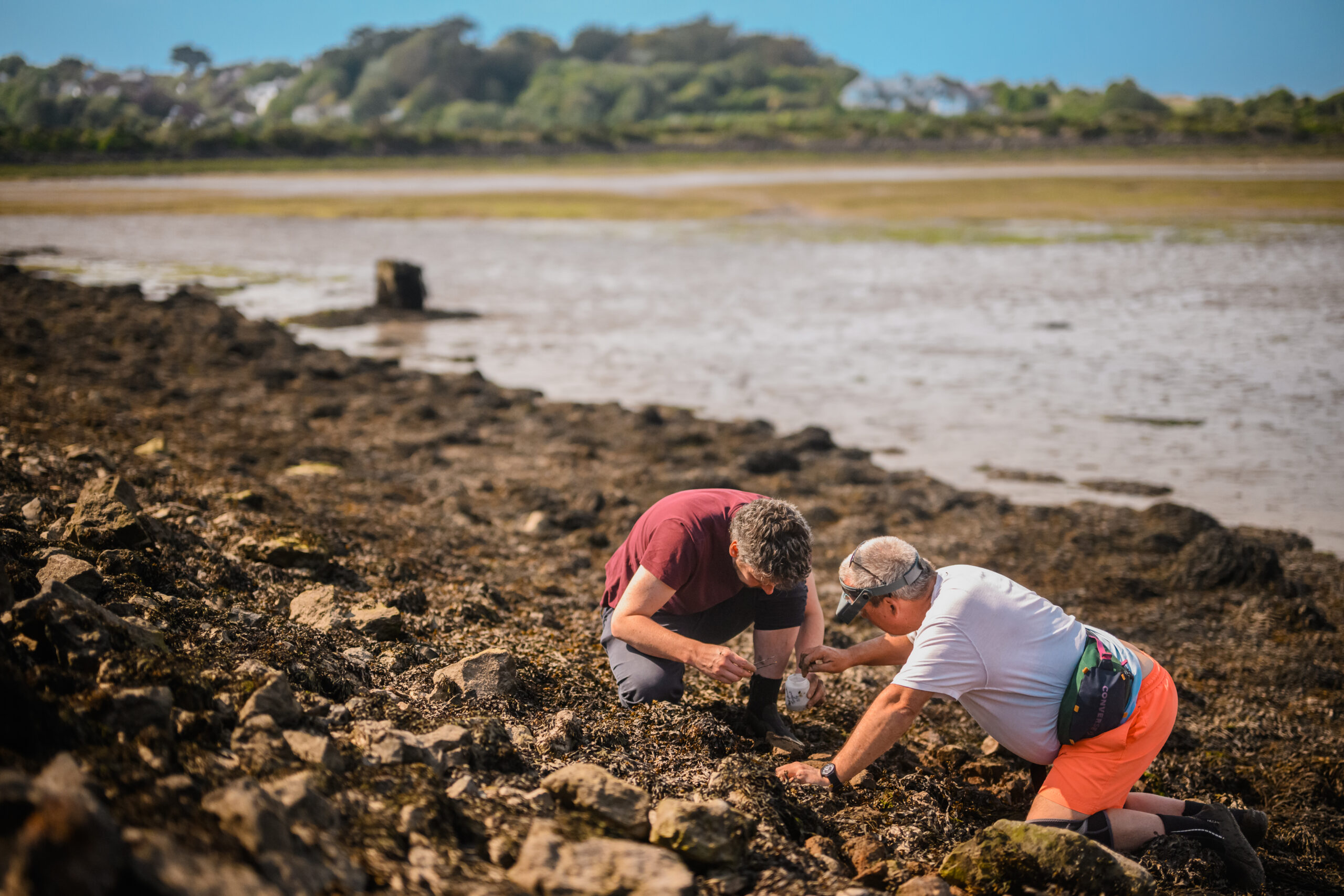
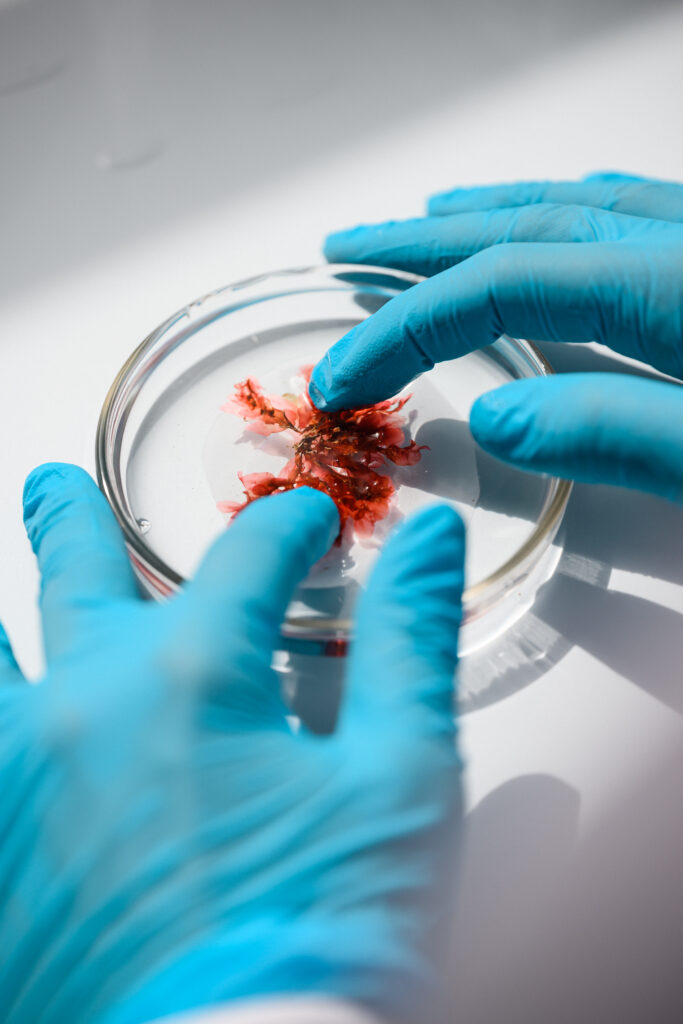
Based at its laboratory in Plymouth, the Marine Biological Association acts as a Genome Acquisition Laboratory for the Darwin Tree of Life Project, focusing on marine species collected from UK coastlines and seas. MBA scientists work across the full pipeline – from field sampling and species identification to processing and barcoding specimens – before samples are sequenced by project partners such as the Wellcome Sanger Institute and the Natural History Museum.
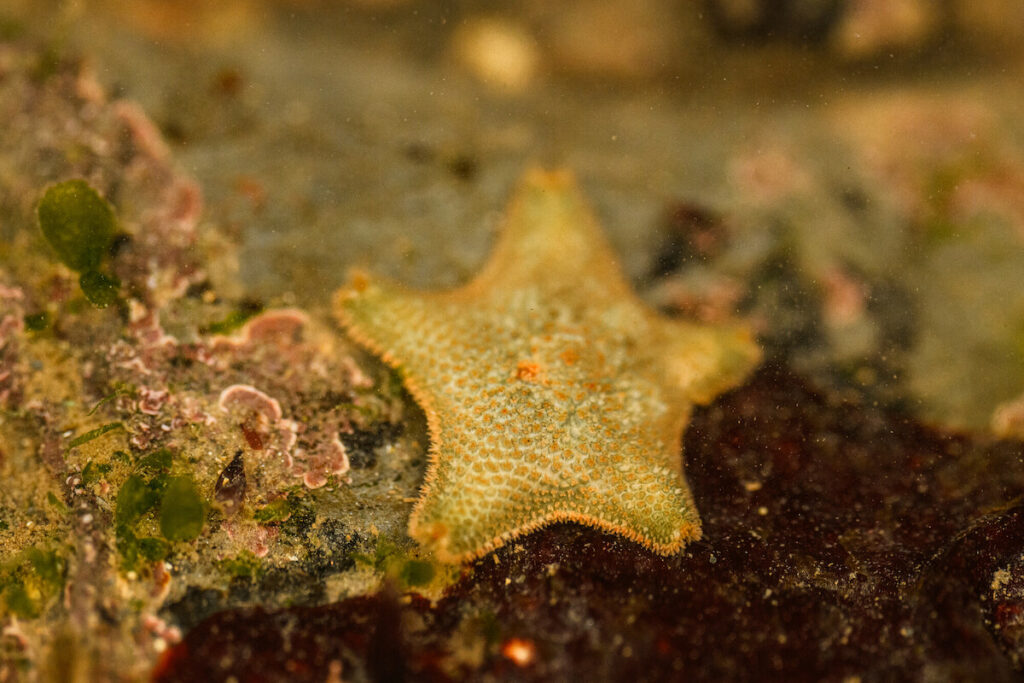
Marine life remains one of the least genomically characterised components of UK biodiversity. By contributing genomes from phytoplankton and algae to invertebrates and fish, the MBA is helping to unlock genetic information that underpins future research into marine ecology, conservation, biotechnology and ecosystem resilience.
Through its involvement in the Darwin Tree of Life project, the MBA is helping to build an open‑access genomic library of marine life, providing a transformative resource for future research, conservation and policy. The work strengthens the UK’s capacity for marine biodiversity science and reinforces the MBA’s longstanding role as a world‑leading centre for marine biological research.
“Genome sequencing reveals the biological mechanisms with which species respond to climate change and ocean acidification, by pinpointing the genes that are up- or down-regulated under stress. In addition, the new assemblies will allow the development of ecological genomics, as genome sequencing maps the genetic responses that shape life on Earth.” MBA Senior research Fellow Dr Nova Mieszkowska.

Global leadership in biodiversity genomics
The Darwin Tree of Life Project now accounts for around 30 per cent of the world’s publicly available biodiversity genomes, positioning the UK and Ireland as global leaders in genomic science. The project also contributes to the wider Earth BioGenome Project, which aims to sequence all complex life on Earth.
In addition to producing genomes, DToL partners – including the MBA – share open‑access data, protocols, tools and training, supporting biodiversity genomics initiatives worldwide.
Christiane Hertz‑Fowler, Head of Directed Activity at Wellcome, said: “The significance of the Darwin Tree of Life project cannot be underestimated, as demonstrated by the huge number and diversity of genomes already sequenced and by the scale of its potential economic impact in the upcoming decades. This report underscores the importance of investing in ambitious, transformative discovery research to help us better understand life around us, in turn helping us solve health challenges around the world.”
Read the full report The value of reference genomes and the Darwin Tree of Life project here.