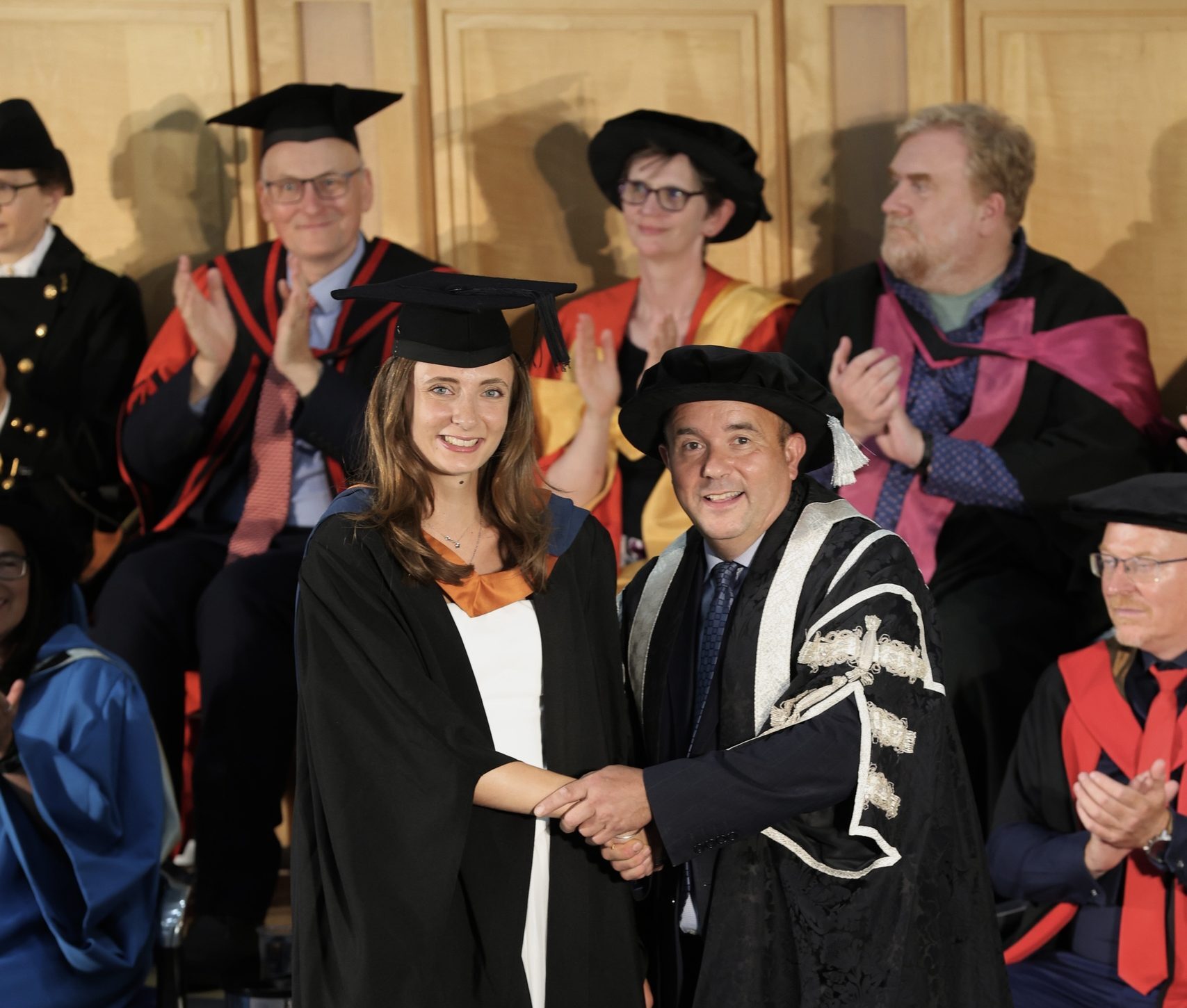
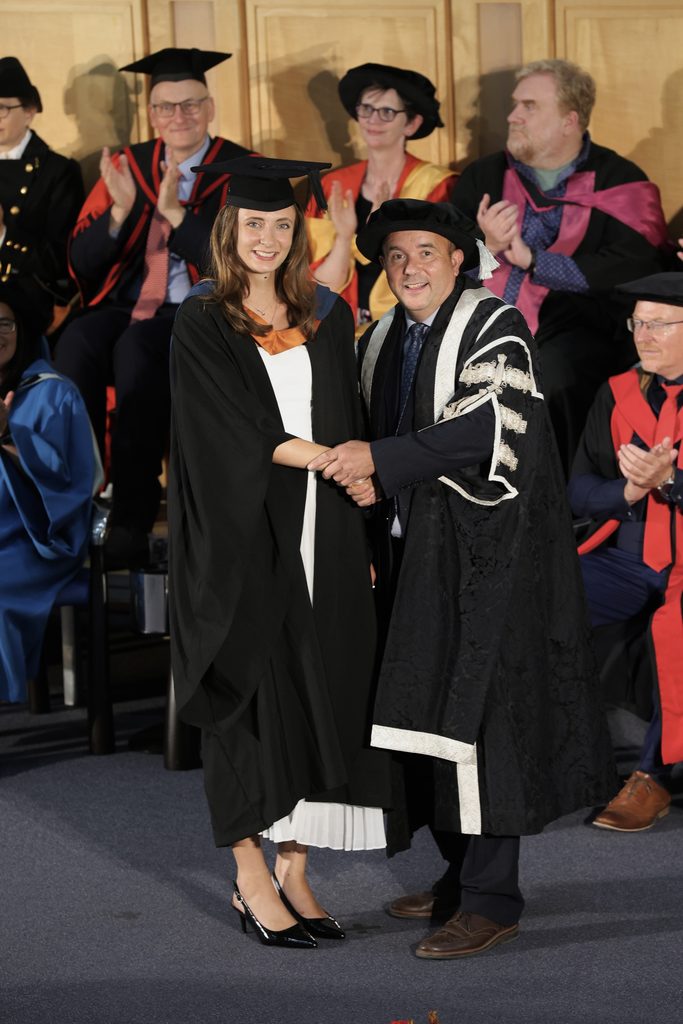
University of Plymouth graduate Fleur Denis has been awarded the Marine Biological Association (MBA) Prize for Outstanding Performance, recognising her conservation achievements during her BSc (Hons) Marine Biology degree.
The MBA Prize is awarded annually to recognise outstanding contributions to the field of marine biology and recognises the significant impact that individuals can have in advancing our knowledge of marine ecosystems and their conservation.
Fleur said: “Receiving this award was the biggest shock; I’ve never been so surprised by an email! I want to say a huge thank you to the University of Plymouth; these past four years have shaped who I am as a scientist and as a person. I’m especially grateful to the inspirational lecturers and peers, who throughout the degree continually sparked my curiosity and encouraged me to keep pushing myself. Without them, I wouldn’t be where I am today.”
Fleur’s passion for the natural world was first sparked by her mum, whose career in biology and love of nature inspired her own curiosity for the subject. But it was a scuba diving trip to Mallorca that transformed her interest in nature into a passion for marine ecosystems.
During her degree, Fleur developed a particular interest in marine conservation and threats to vulnerable species. For her final-year Honours project completed during a placement at the Large Marine Vertebrates Research Institute Philippines, she investigated the impacts of artificial light on nesting Olive Ridley sea turtles.
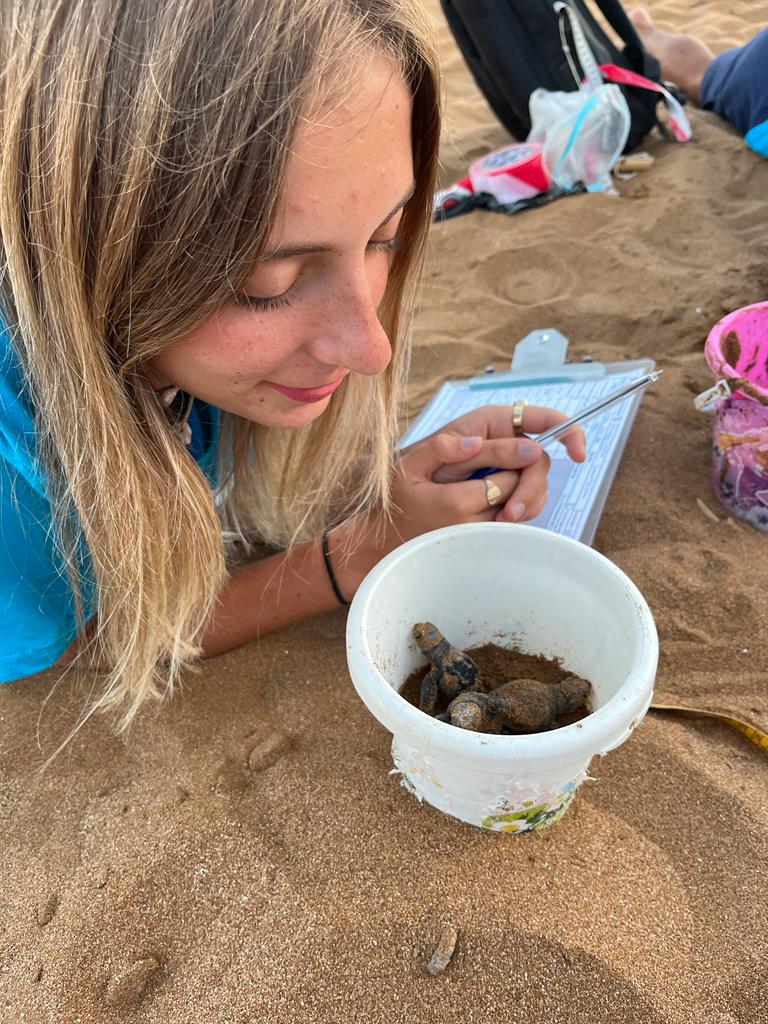
Her research found that even low levels of artificial light may deter female turtles from nesting successfully, offering valuable insights that could help protect important nesting habitats and support future conservation efforts.
She said: “Most existing research on this topic has focused on already heavily developed coastlines where artificial light is widespread. My study was instead focused on a more remote, less developed coastline where urbanisation is becoming an emerging threat. These findings offer an important early snapshot of these impacts, which I hope can guide sustainable coastal development in this region to protect a species already listed as vulnerable with declining populations.”
At her Graduation Ceremony in July Fleur was presented with the MBA Prize certificate, 1 year’s free Professional MBA Membership, MBA pin badge and framed artwork from wildlife and scientific illustratorMarc Dando.
“Having my work and performance recognised by the Marine Biological Association is a real honour. It has given me a boost of confidence and motivated me to keep pushing myself outside of my comfort zone,” added Fleur.
This September, Fleur will continue her studies at the University of Plymouth by undertaking a Masters in Marine Conservation. She hopes to build on her scientific skills and learn more about how research can inform conservation management and policy.
She said: “I’m looking to gain more confidence as a scientist and develop a deeper understanding of how research can be translated into effective conservation management and policy. Ultimately, I want to keep producing research that advances our understanding of the marine environment and contributes to the protection and conservation of species and their habitats, while helping to support a future where people and the marine environment can coexist more sustainably.”