An international team of scientists has taken a major step toward understanding one of Earth’s most important yet underexplored groups of organisms: diatoms.
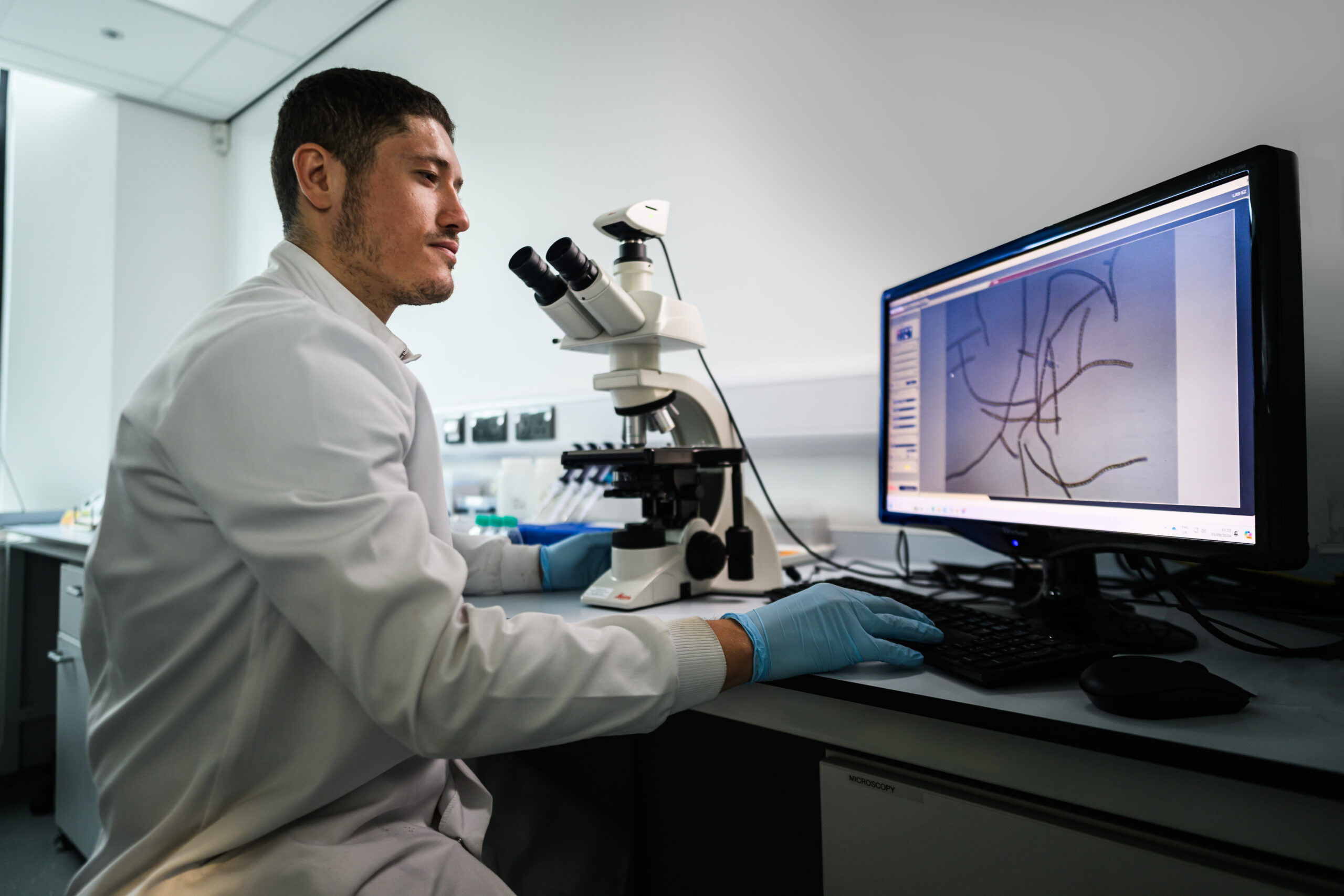
Scientists from the Marine Biological Association (MBA), including Senior Research Fellows Dr Katherine Helliwell and Dr Glen Wheeler, as well as researchers Yousef Touhami and Dr Trupti Gaikwad have joined more than 100 researchers from 11 countries in the ambitious 100 Diatom Genomes Project (100DGP).
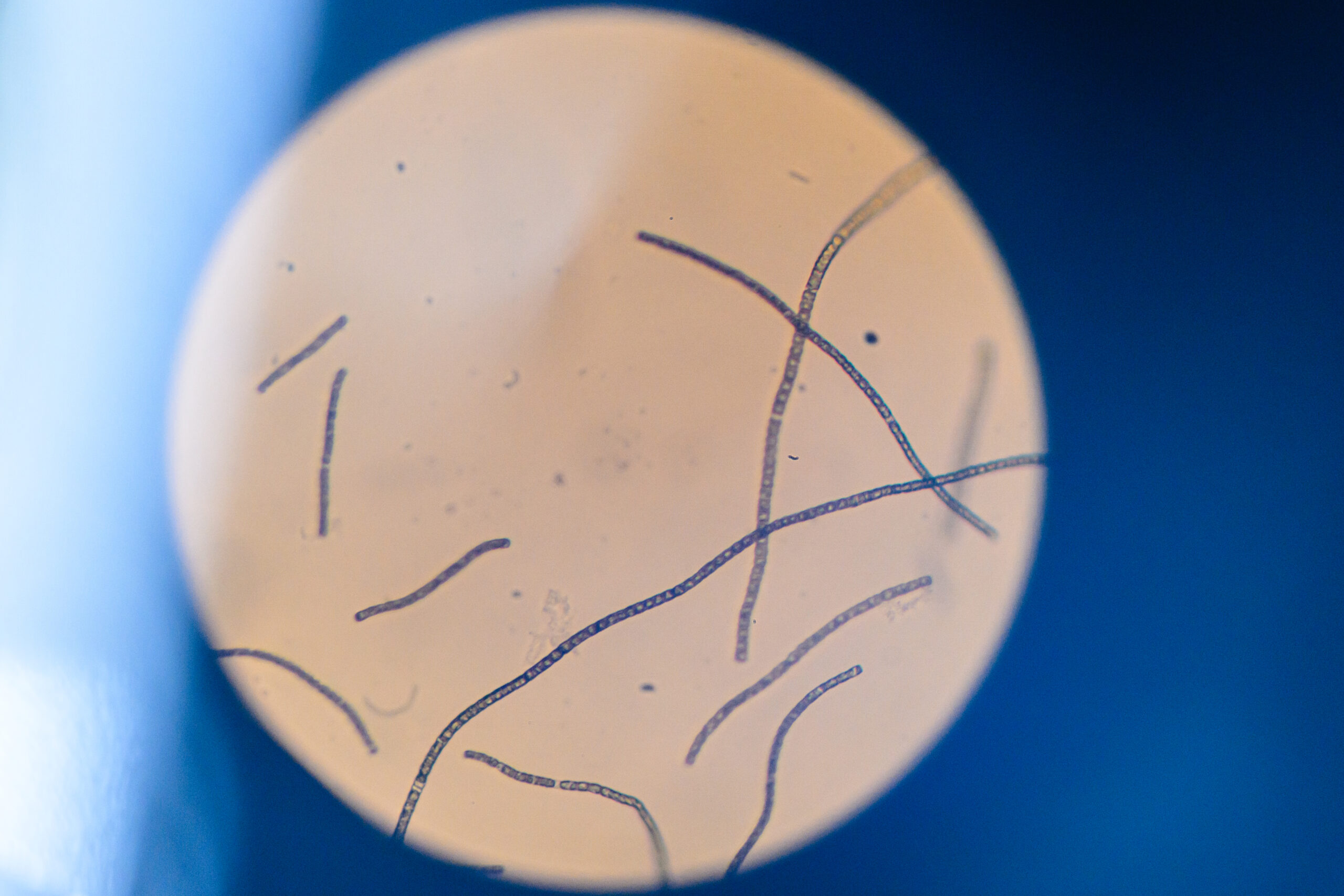
This project, led by collaborator Professor Thomas Mock at the University of East Anglia and funded by the Joint Genome Institute, brought together an international consortium aiming to unlock the genetic secrets of diatoms and better understand how these globally important algae evolved and adapted to diverse environments.
Diatoms are single-celled, microscopic algae that are responsible for around 20% of global carbon fixation and play a crucial role in regulating the planet’s climate.
Despite their ecological significance and remarkable diversity, genomic research on diatoms has historically focused on only a handful of model species.
The preliminary results, published in PLOS Biology indicate that large-scale, integrated research on diatoms is both feasible and highly valuable, and has the potential to uncover new biological discoveries.
Dr Helliwell, who holds a joint appointment at the University of Exeter said: “Diatoms play a fundamental role in supporting marine ecosystems and regulating the Earth’s climate, yet many species remain poorly understood. By expanding the diatom data available to researchers, this project will provide new opportunities to explore their diversity, evolution and remarkable ability to adapt to changing environments.”
By combining data from more than 100 species and other sequencing projects, researchers hope to discover new biological traits, unique adaptations and interactions with other organisms.
They hope the project will provide a community resource enabling new insights into algal biodiversity and evolution, while identifying genetic resources that could be used in advancing biotechnology via genetic engineering and synthetic biology.
Find out more and read the full paper in PLOS Biology.