Blue Planet, the iconic series that transformed how millions of people view the world’s oceans, has returned to screens, with a Plymouth marine scientist helping to shape its powerful final message.
Sir David Attenborough is back to narrate Blue Planet III, a six-part series , produced by the acclaimed BBC Studios Natural History Unit, arriving 25 years after the original Blue Planet captivated audiences around the globe. Following the success of Blue Planet II, which galvanised a global movement to reduce single-use plastic and transformed public understanding of marine life, the new series explores both the challenges facing our oceans and the solutions needed to protect them.
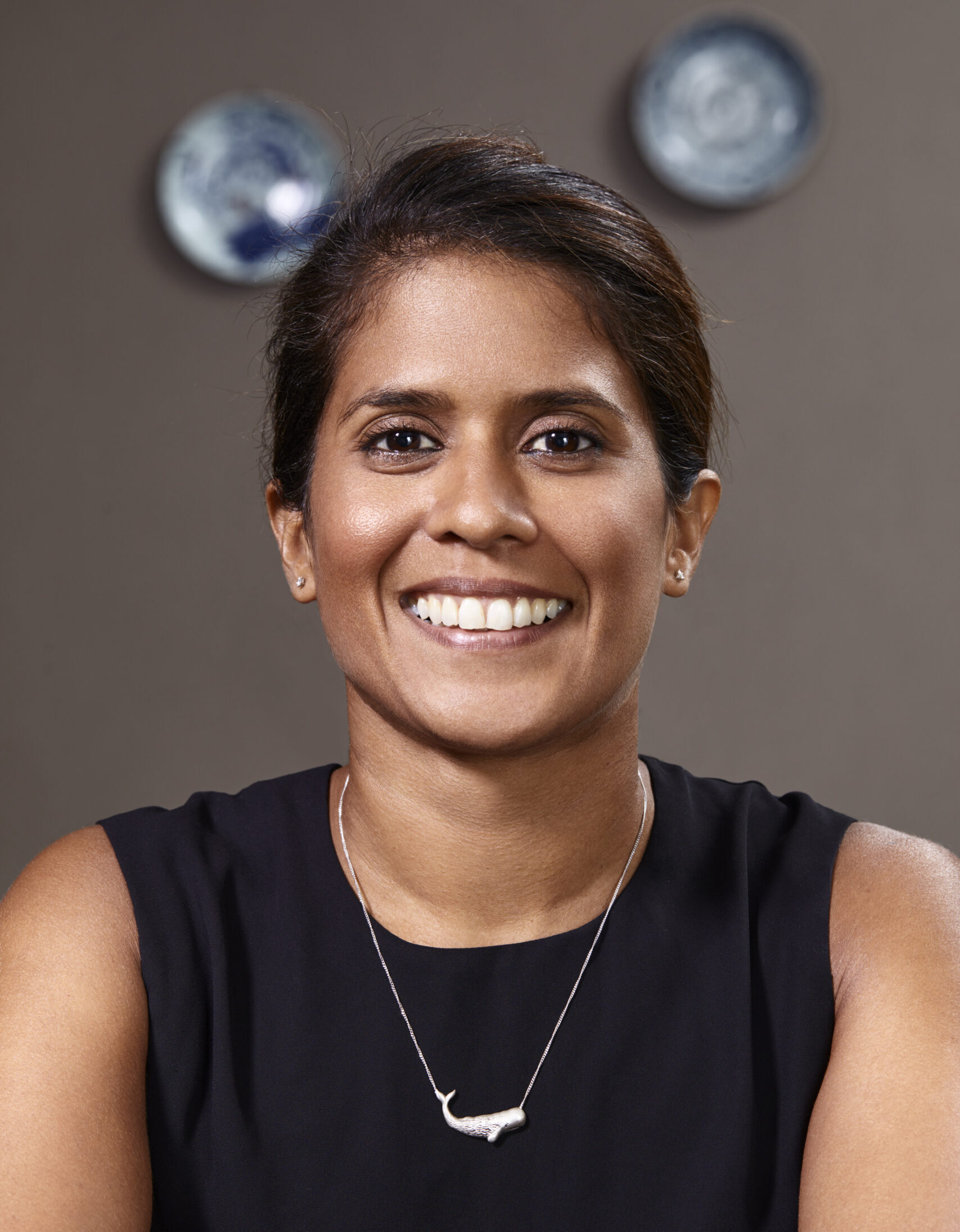
Dr Bryce Stewart, a Senior Research Fellow at the Marine Biological Association (MBA) and Associate Professor at the University of Plymouth worked with the BBC Studios Natural History Unit (NHU) as Scientific Consultant on the sixth and final episode, Future Seas. The episode explores the future of the world’s oceans and highlights the scientific understanding, policy decisions and conservation efforts needed to safeguard them. Using a new generation of underwater filming technology, the NHU has captured extraordinary marine behaviours and stories that were previously impossible to film.
Bryce contributed his expertise as a marine ecologist and fisheries biologist, scrutinising the script to ensure the authenticity of storylines and the accuracy of the science underpinning the programme’s exploration of ocean pressures and marine conservation.
Future Seas explores the environmental challenges facing marine ecosystems around the world, alongside the innovative solutions offering hope for the ocean’s future.
“This episode celebrates the ingenuity and scientific work helping to protect our oceans,” explains Bryce. “It explores innovative ways to detect illegal fishing, the importance of marine protected areas, and how tagging and tracking animals can help us to understand changing ocean conditions. It also looks at reintroducing captive-bred species to help populations recover, and preserving different coral species in a biobank to support future reef restoration.”
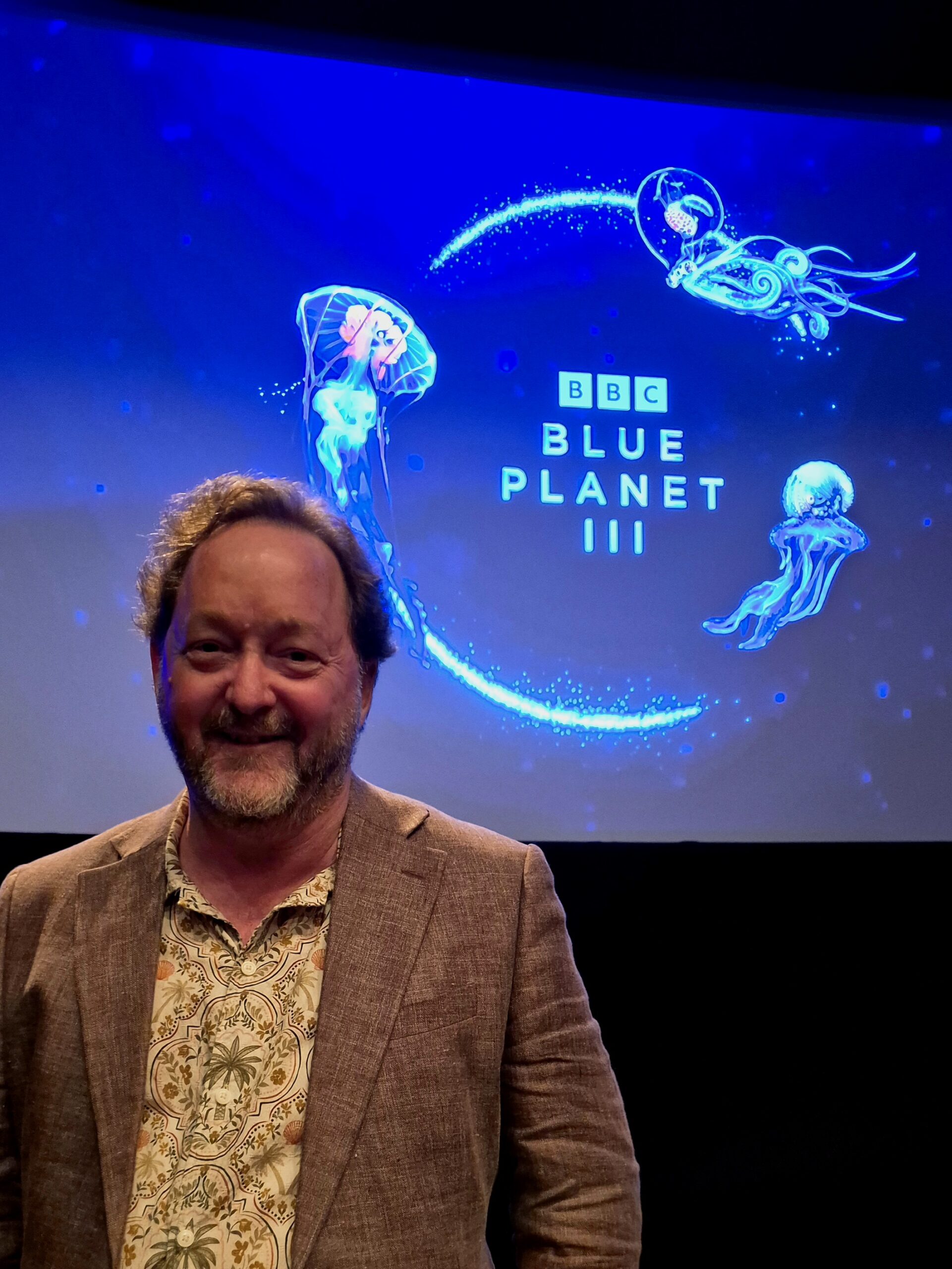
An Australian who grew up in Papua New Guinea dreaming of becoming a marine biologist, Bryce never imagined he would one day help shape the science behind Sir David Attenborough’s landmark marine documentary series. “I never thought I’d get an opportunity to work on a programme like this!” He recently attended the launch event of the series: “It was wonderful to join over 170 of the people who helped bring this amazing series to our screens. To be in the same room as all those incredible talents as they watched the fruits of their labour, many seeing the opening episode in full for the first time, was simply extraordinary. There were whoops, laughs, and gasps throughout.”
While Blue Planet II revealed the scale of the environmental challenges facing our oceans, Blue Planet III takes a broader view, examining not only the impacts of change but also the remarkable adaptability and resilience of marine ecosystems. The series focuses on five major marine habitats: Tropical Seas, Open Ocean, Seasonal Seas, Polar Waters and The Deep.
Building on the groundbreaking legacy of the previous two series, Blue Planet III pushes underwater wildlife filmmaking to new heights. Combining an increasingly sophisticated understanding of the oceans with cutting-edge technology, including splash drones, long-term remote underwater cameras and a ‘mini dome’, the series reveals extraordinary marine behaviours and previously untold stories from beneath the waves.
The impact of the Blue Planet series extends far beyond television. For many marine scientists, it inspired the very careers they pursue today. As a young child watching Blue Planet in the early 2000s, MBA PhD student Beth Tindall-Jones was inspired to become a marine biologist.
“Blue Planet was a true inspiration for me growing up. Having the vastness of nature brought into my own home really inspired me to keep my dream of becoming a marine biologist alive. To be able to bring people out of their living rooms and open their eyes to the wonders of the world we live in has been such a gift.”
Future Seas will first air on Sunday 22 November at 6am.