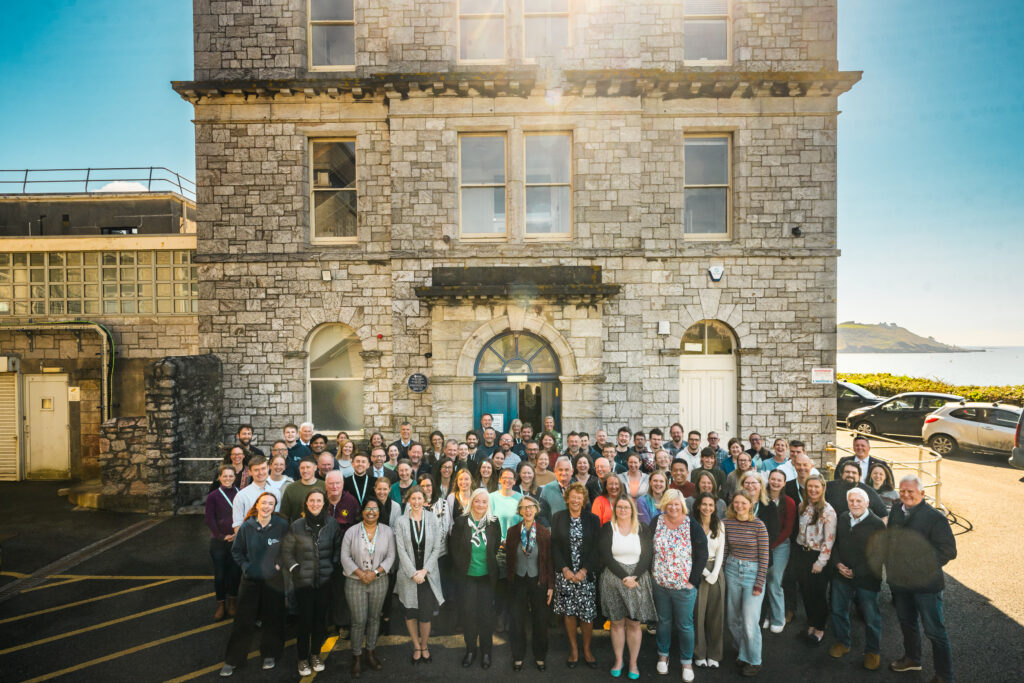


The Marine Biological Association (MBA) proudly marks its 142nd birthday, celebrating more than a century of world‑leading marine research, pioneering discoveries, and a growing international community dedicated to understanding and protecting our ocean.
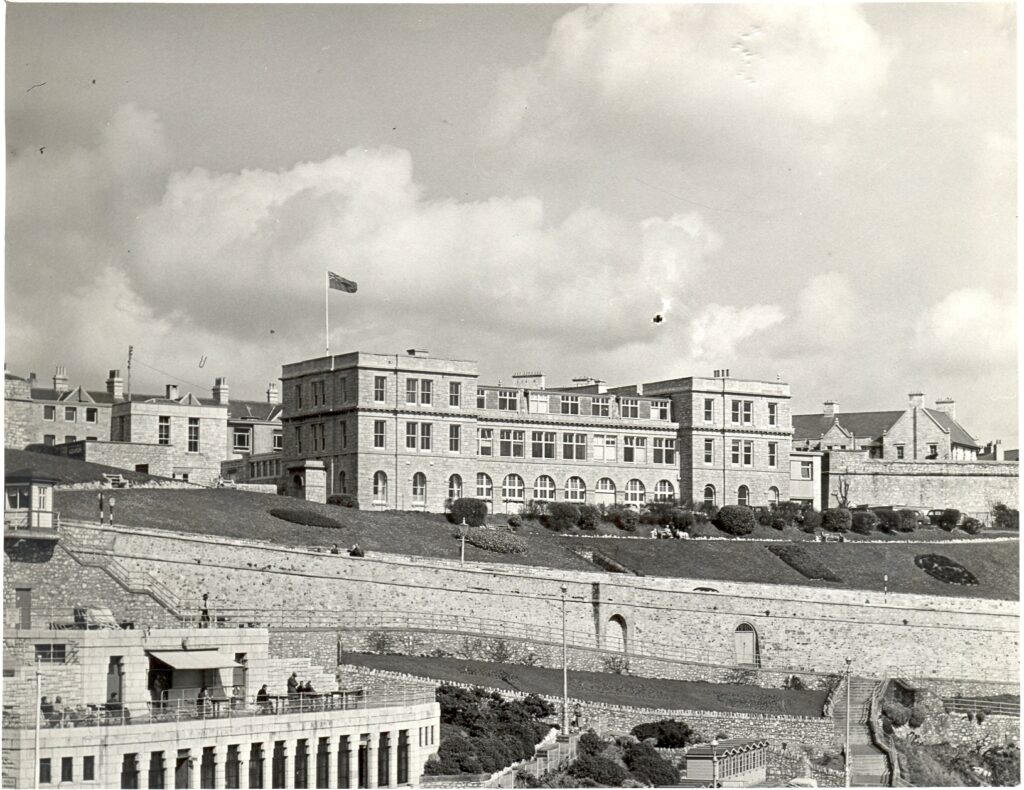
The MBA has become one of the world’s longest‑established marine research institutions. From its historic home on Citadel Hill, Plymouth – a site that has witnessed generations of scientific advancement – the charity continues to push the boundaries of marine biology through unique long‑term datasets, innovative technologies, and globally influential researchers.
A legacy built on curiosity and world‑class science
As a globally important hub of marine knowledge, the MBA is a charity renowned for supporting marine research while nurturing the careers of many of the world’s most influential marine scientists. Its archives record the work of internationally recognised figures, including E. Ray Lankester, Marie Lebour, Sir Frederick Russell, and Eve Southward, whose contributions helped lay the foundations of modern marine biology.
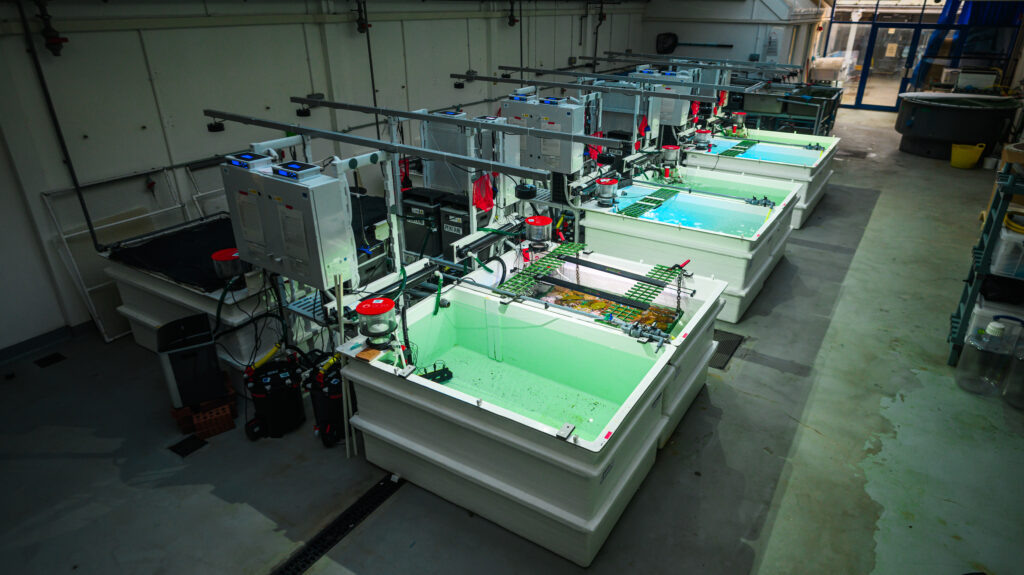
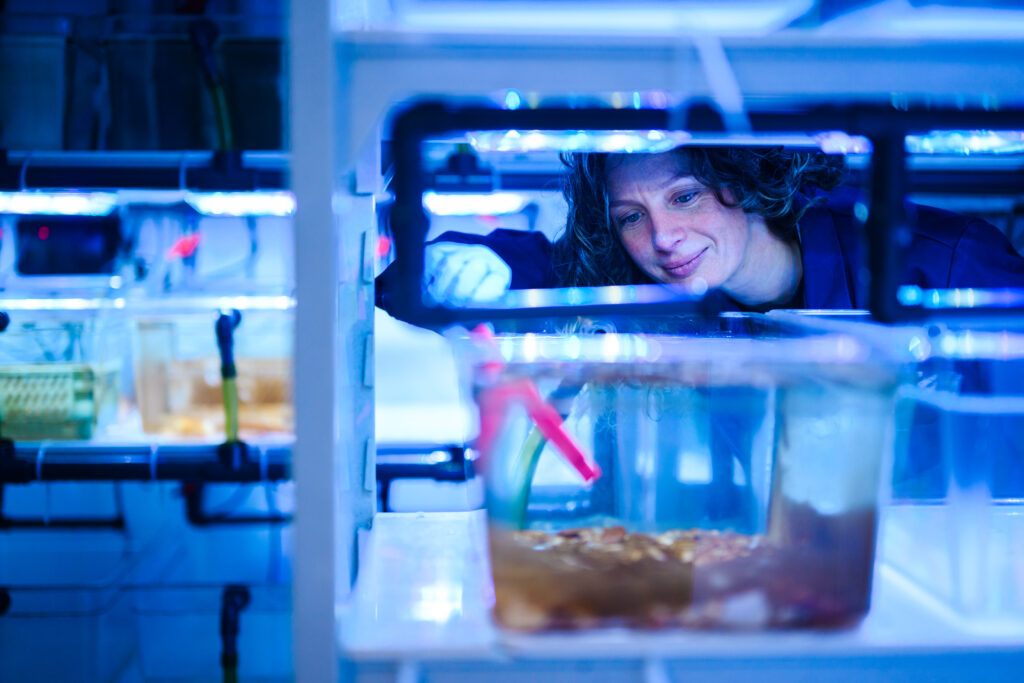
The Marine Biological Association’s (MBA) Research Aquarium is a specialist facility designed to support cutting‑edge marine science. It provides a constant supply of high‑quality seawater, enabling researchers to maintain and study a wide range of living marine organisms under controlled conditions.
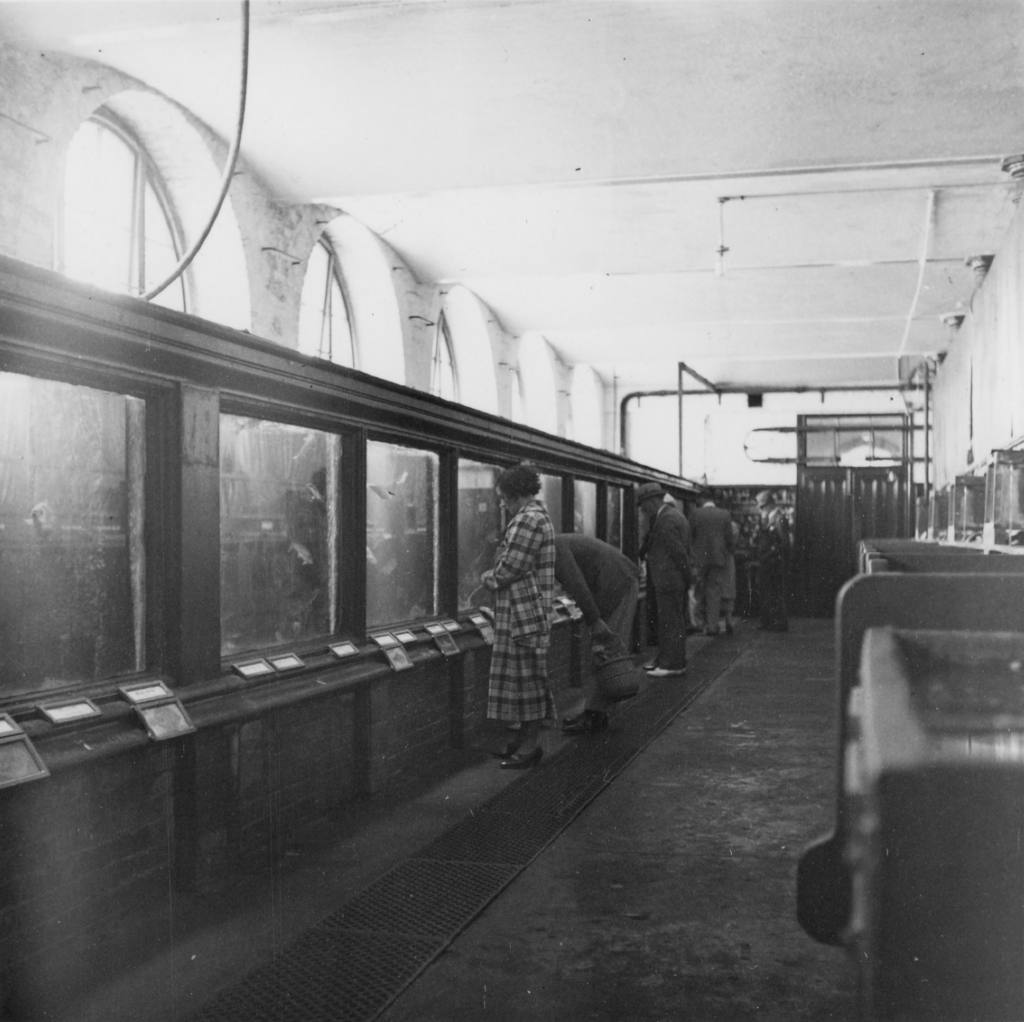
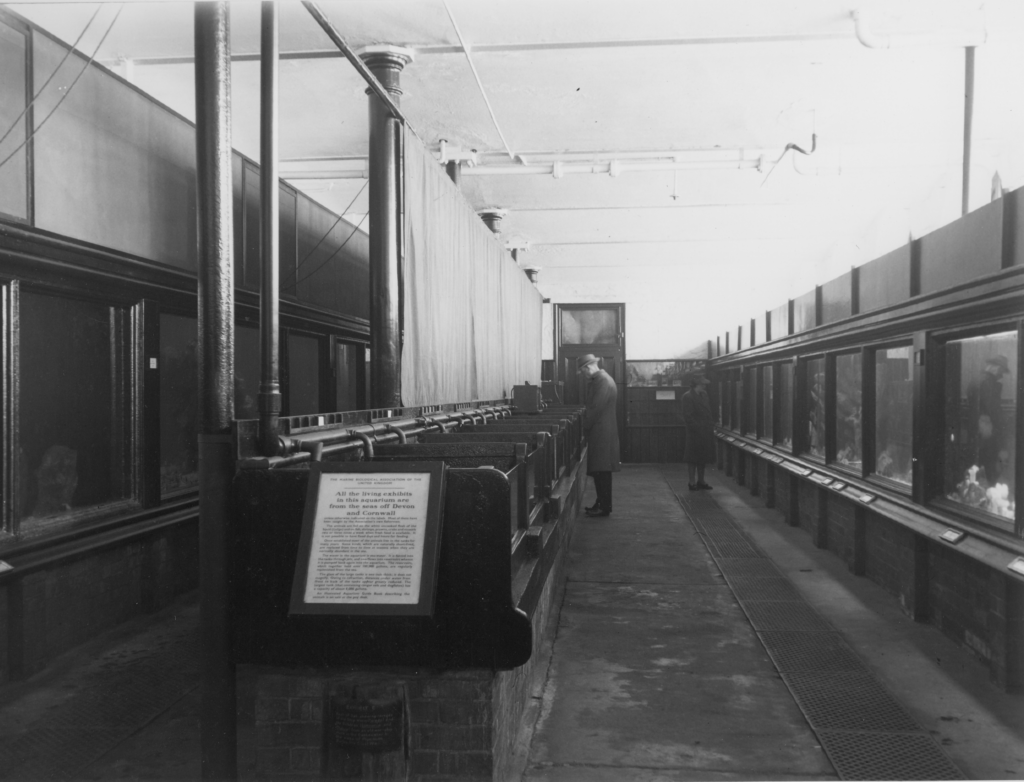
In 1888, the MBA Research Aquarium was established at the purpose‑built laboratory at Citadel Hill in Plymouth, making it one of the first aquariums open to members of public in the United Kingdom.
Over time the Aquarium’s role evolved, and in 1998, the public facing exhibition transitioned to the National Marine Aquarium, now situated on the waterfront of the city.
The MBA Research Aquarium has remained part of the MBA’s facilities for many decades, providing seawater-fed tanks that supports scientific study.
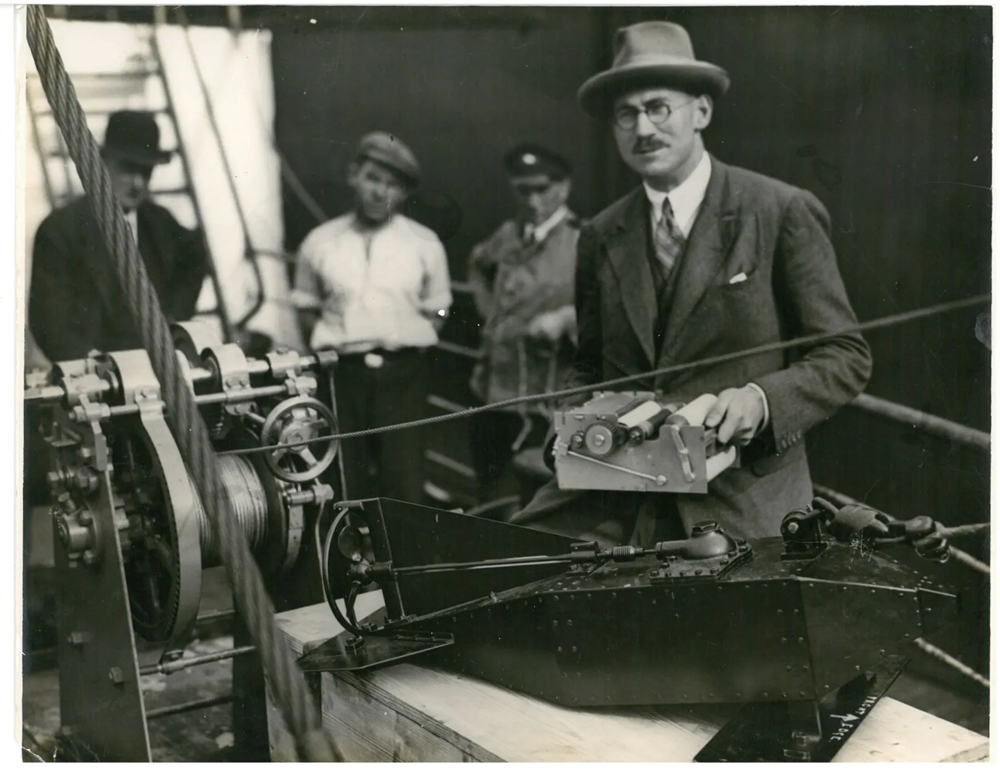
This legacy continues today through the MBA’s commitment to open, long‑term ocean observation, the unique hallmark of MBA science. The Continuous Plankton Recorder (CPR) Survey, one of the world’s longest-running marine biological monitoring programmes, has provided an unparalleled record of plankton communities since 1931. These datasets underpin global assessments of climate change, biodiversity, and ecosystem health, informing policy and conservation efforts on an international scale.

Alongside the CPR survey, the MBA’s long-term intertidal datasets, maintained over multiple decades, offer a rare window into ecological change on our rocky shores. These studies have enabled scientists to track species shifts, invasions, and climate‑driven transformations with exceptional precision, strengthening the MBA’s role as a global leader in environmental time‑series science.
Pioneering technologies and innovative techniques
As we look to the future, embracing new technology remains central to the MBA’s mission. Building on a history of methodological innovation – from early plankton recorders to first‑generation underwater photography – the MBA is now harnessing cutting‑edge tools to deepen understanding of the marine environment.
Advances include:
- AI‑assisted image analysis for plankton identification
- Autonomous sensors and robotic sampling platforms
- Environmental DNA (eDNA) and genomic technologies
- CRISPR tools and advanced molecular and microbial techniques
- High‑resolution ocean modelling and data‑sharing platforms.
These emerging capabilities are transforming how MBA researchers observe, predict, and interpret marine change, keeping the MBA at the forefront of global marine science.
World‑class science delivered by world‑class scientists
The MBA’s strength has always been its people. Today, the MBA continues to attract leading scientists, early‑career researchers, and students from across the world, working across disciplines such as marine ecology, molecular biology, oceanography, behaviour, and biodiversity.
Collaborations with national and international partners, from universities and government agencies to NGOs and global networks, support a vibrant and expanding research ecosystem. This collaborative spirit reflects the MBA’s founding vision: to advance marine science for the benefit of society.
Looking ahead
As we celebrate 142 years, the MBA remains committed to its enduring purpose: pushing the boundaries of scientific discovery, collecting authoritative data, and facilitating global collaboration.
With environmental change accelerating, the need for robust, long‑term marine research has never been greater – the MBA continues to champion open data, scientific excellence, and innovation.
“As the Marine Biological Association celebrates its 142nd year, we remain focused on driving forward innovative marine research and safeguarding our ocean for the future. Our legacy and long‑term datasets give us a unique platform to tackle today’s challenges – work that depends on the continued support of our community. We invite everyone who values the ocean to stand with us and help shape the next chapter of marine discovery.” Chief Executive Professor Willie Wilson.
From its historic base on Citadel Hill to its far‑reaching international networks, the MBA looks forward to continue to build on its extraordinary legacy, inspiring new generations of scientists, and deepening the world’s understanding of life in the ocean.
Find out more about how you can contribute to supporting our mission of delivering pioneering science for the health of our ocean.