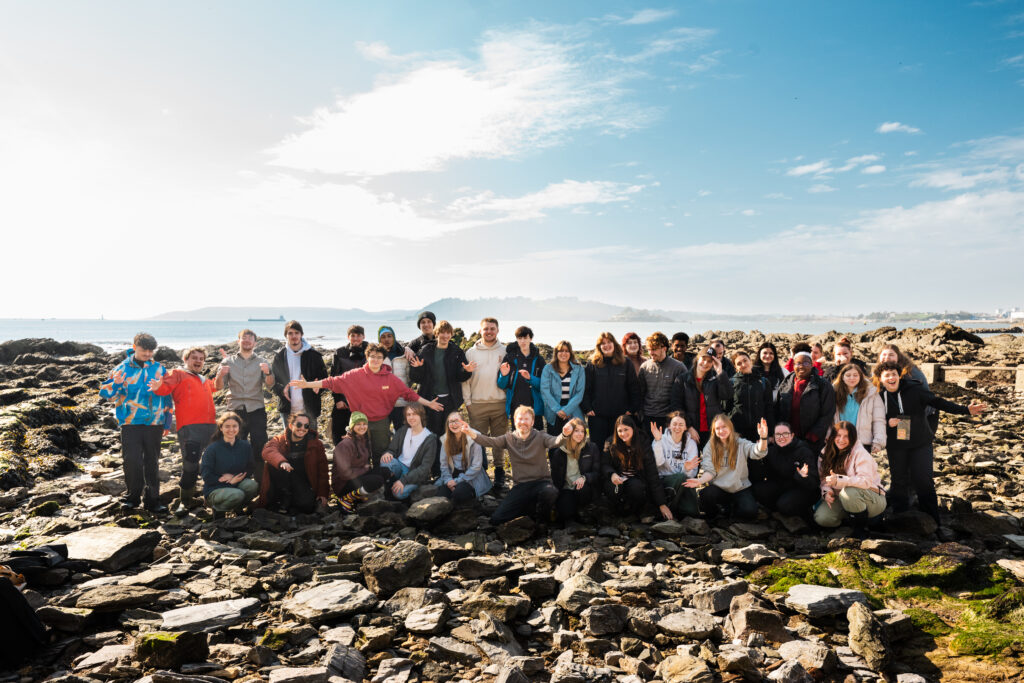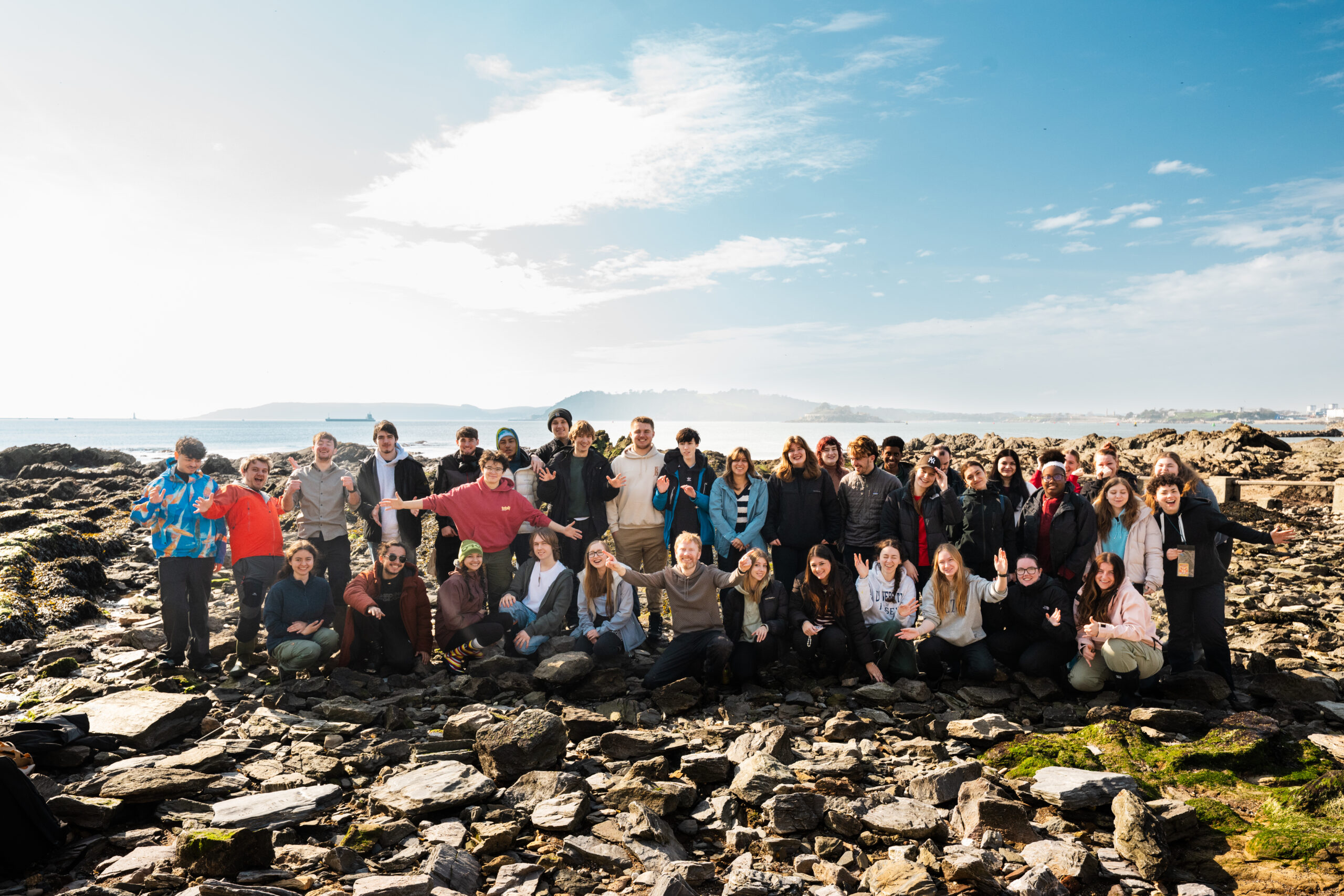
The Marine Biological Association (MBA) recently welcomed a group of students from the University of Essex to Plymouth for a day of immersive fieldwork, lab exploration, and rocky shore discovery in an experience that they variously described as “inspiring”, “eye‑opening”, and “transformative” for their ambitions to pursue a career in marine science.
The visit gave students the opportunity to experience hands-on fieldwork on the rocky shore before continuing their research here at the MBA.
The students, all studying for a BSc in Marine Biology, showed huge enthusiasm for getting involved. The visit offered the opportunity to learn directly from world-class marine biologists, handle live specimens, explore the rocky shore, and see the MBA’s research facilities in action.
Discovering the rocky shore
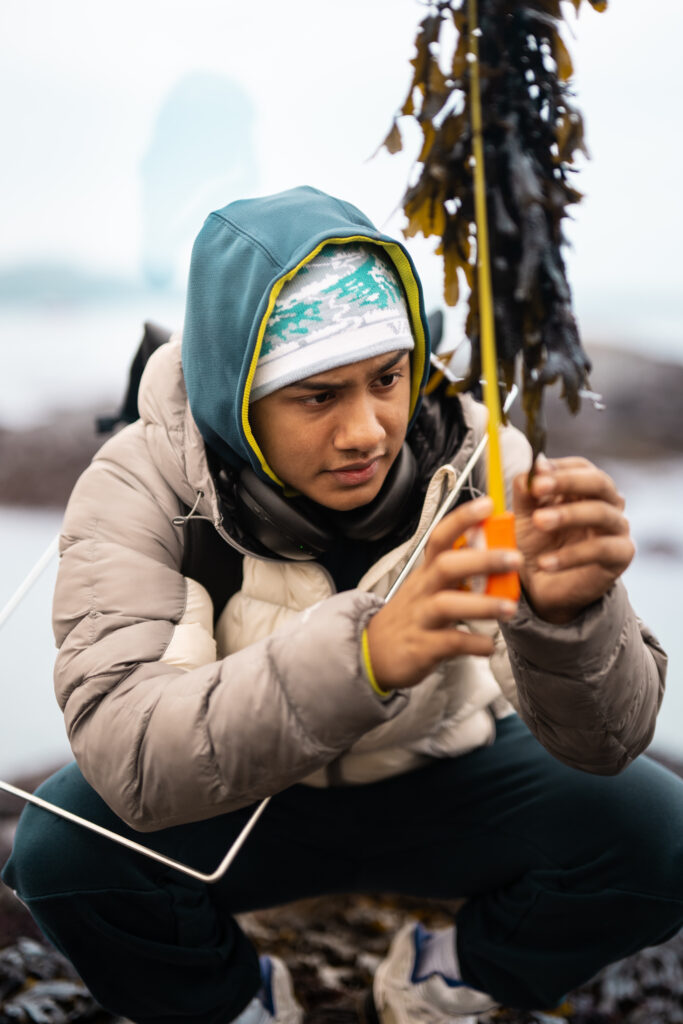
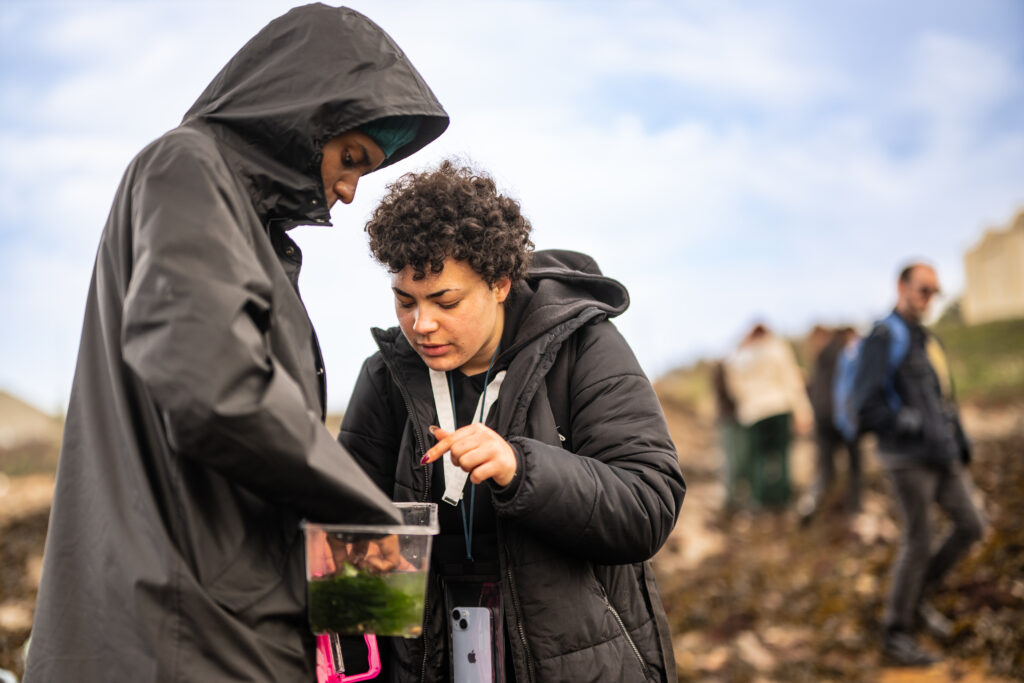
The visit began on the unique rocky shores of Plymouth Sound, where students got their first taste of intertidal fieldwork. The method was straightforward but effective: lifting rocks, identifying species, and collecting specimens for closer study back at the MBA. For many, it was their first encounter with the diversity of life found right here on the UK coastline. The group explored tidepools, lifted seaweed fronds, and discovered crabs, snails, worms, and other hidden species. One lecturer said: “I’ve never really seen a shore where it’s very rocky, and also new species of algae that I’ve never seen before. It’s very hands on and it also makes us appreciate more that there’s more to learn.”
As they worked across the rocks, students collected small organisms for identification back in the laboratory; an introduction to biodiversity surveying and the real‑world skills used in marine ecology.
Hands-on science
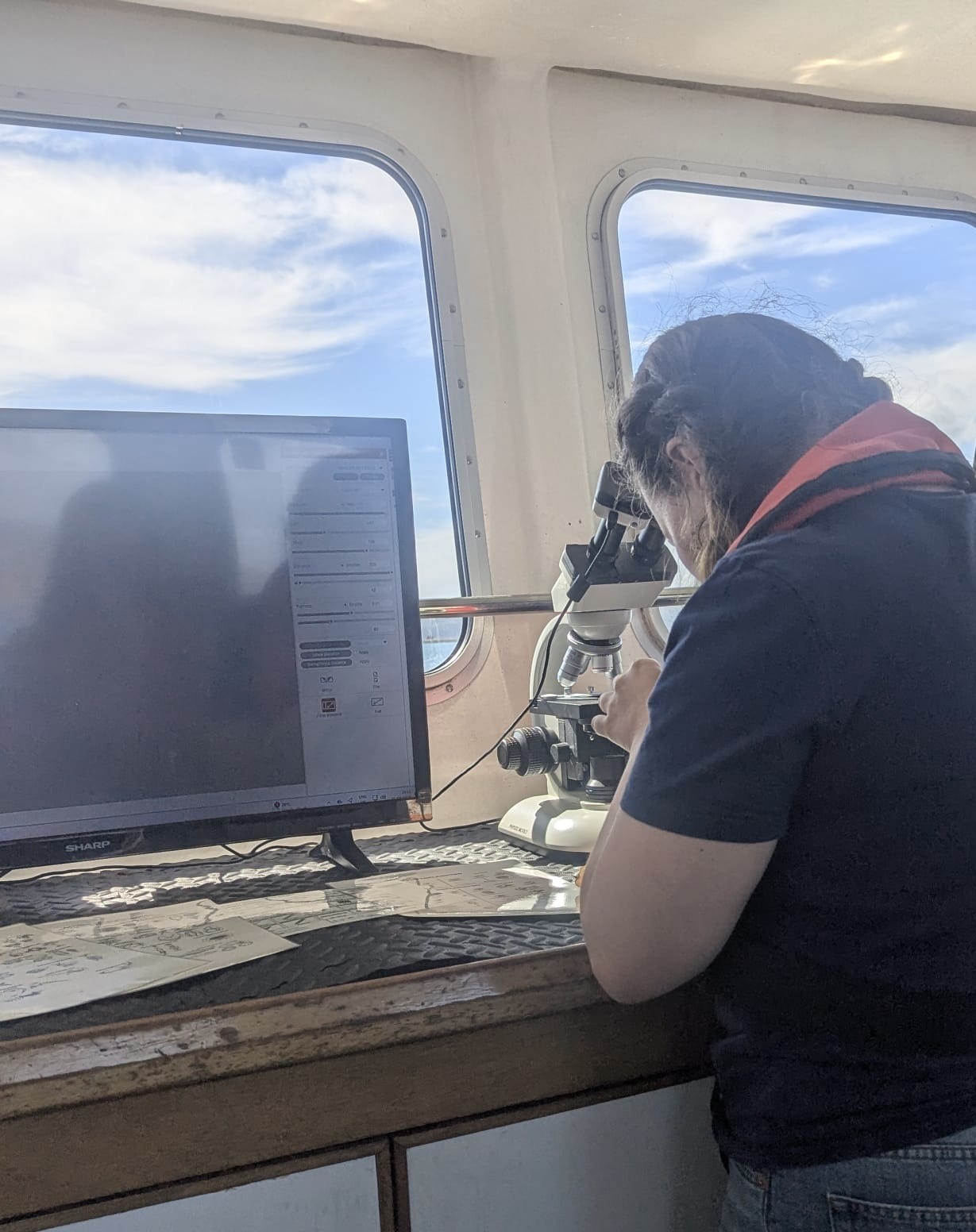
Inside the MBA labs, the students had the chance to examine their collected samples under microscopes, observe live species, and learn about ongoing research. The experience showcased how fascinating even the tiniest marine life can be. Students who once imagined themselves studying tropical megafauna experienced a thrill in examining in the smaller creatures: “I’ve always been drawn to dolphins, whale sharks, manta rays,” observed one student, “But it’s actually been quite fun looking at crabs and little snails, even seaweed.”
“I’ve said worms so many times since I’ve been here!” said another. “Marine worms are really beautiful when you look at them through a microscope – and I don’t like microscopy!”
The MBA’s facilities also made an impression. Students were particularly taken by our seawater pipe system and the living specimen tanks. “It’s so cool to be able to actually do some research in the field and then be able to continue that research in such an amazing place with so many resources,” one student reflected.
Inspiring the marine biologists of the future
Beyond the science itself, several students reflected on how the experience deepened their personal motivation to forge a career in marine research. “This entire experience has opened my eyes to a whole new perspective of the Marine Biological Association; it gave me new knowledge and a different kind of confidence,” said one.
What stood out throughout the day was how deeply personal many of the students’ connections to the ocean already were. One, who grew up on an island nation, spoke about being surrounded by the ocean from childhood: “I wanted to understand it so I can better protect it.” Another described how witnessing coral bleaching on a Maldives reef on their 18th birthday had cemented their career ambitions. Another said: “Since I was a child, I’ve been very exposed to the ocean, I’ve always loved it. I have a passion for protecting it.” While for one mature student embarking on a career change, the visit was especially meaningful: “I feel like I’ve been given a new lease on life, coming to uni later on. I’m finally living my childhood dreams!”
A place to learn, explore and be inspired
When asked what it was like to visit the MBA, a lecturer was keen to highlight the MBA as an essential destination for the next generation: “Any of our budding marine biologists should have an experience at the MBA in Plymouth as part of their learning, and the wonderful world of the rocky shore in the UK. It really just has one of the best places in the UK to be able to do this kind of work.”
Visits like this are central to what we do at the MBA. By opening our doors to students at this stage in their education, we hope to connect their passion for the ocean with the skills, resources, and inspiration they need to pursue meaningful careers in marine science.
As one student summed it up: “Marine biologists are actually pretty cool, and pretty interesting, and pretty nice people to talk to. I would love to work in this field – it’s just boosting my ambition for my career.”
We look forward to welcoming more student groups in the future and continuing to support the next generation of marine scientists.